Last updated October 31, 2026
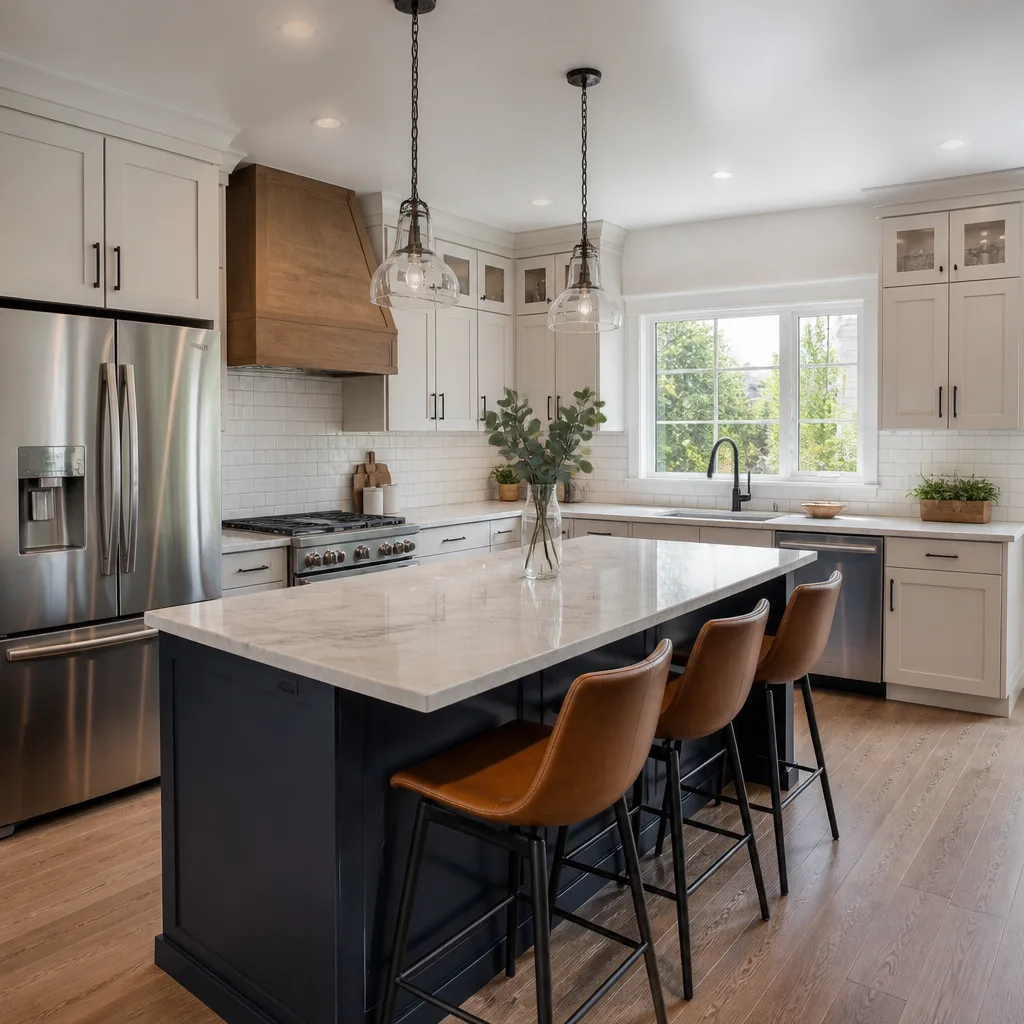 Kitchen remodeling
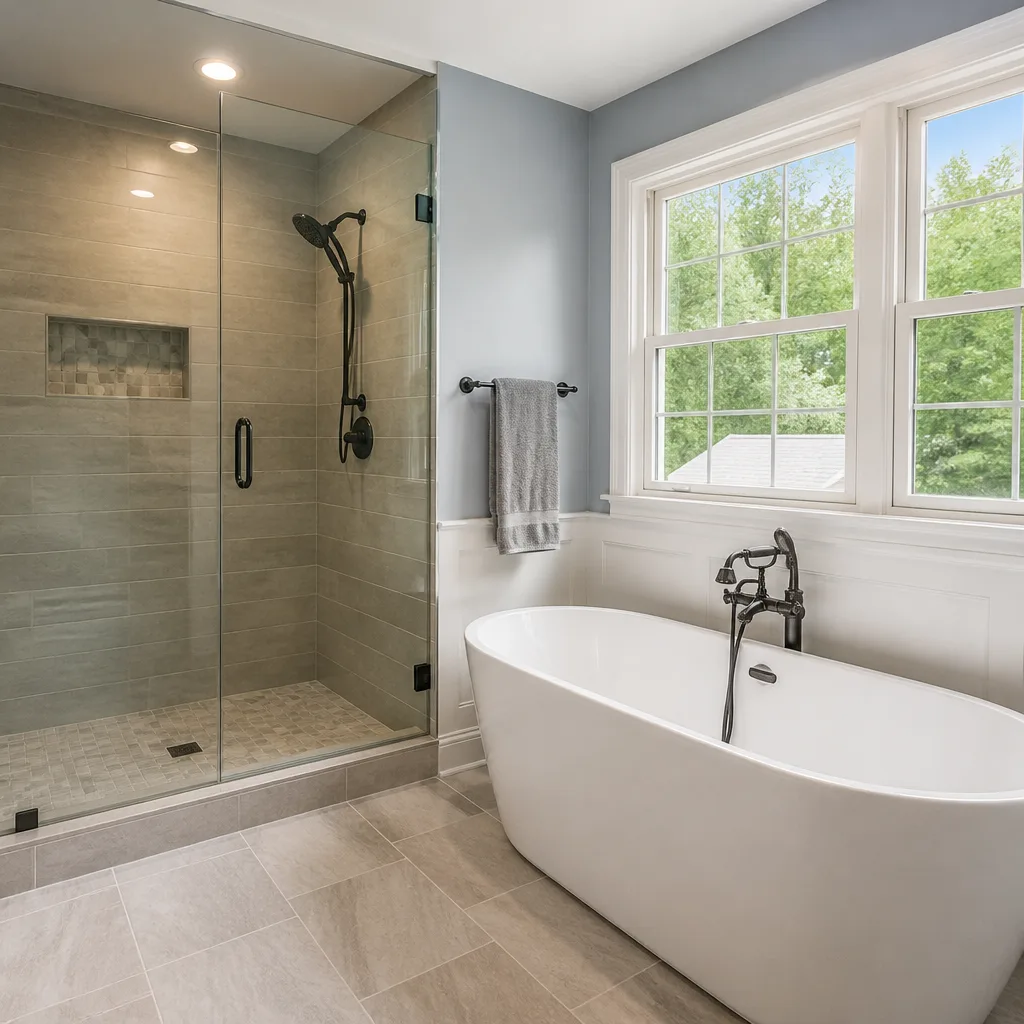 Bathroom remodeling
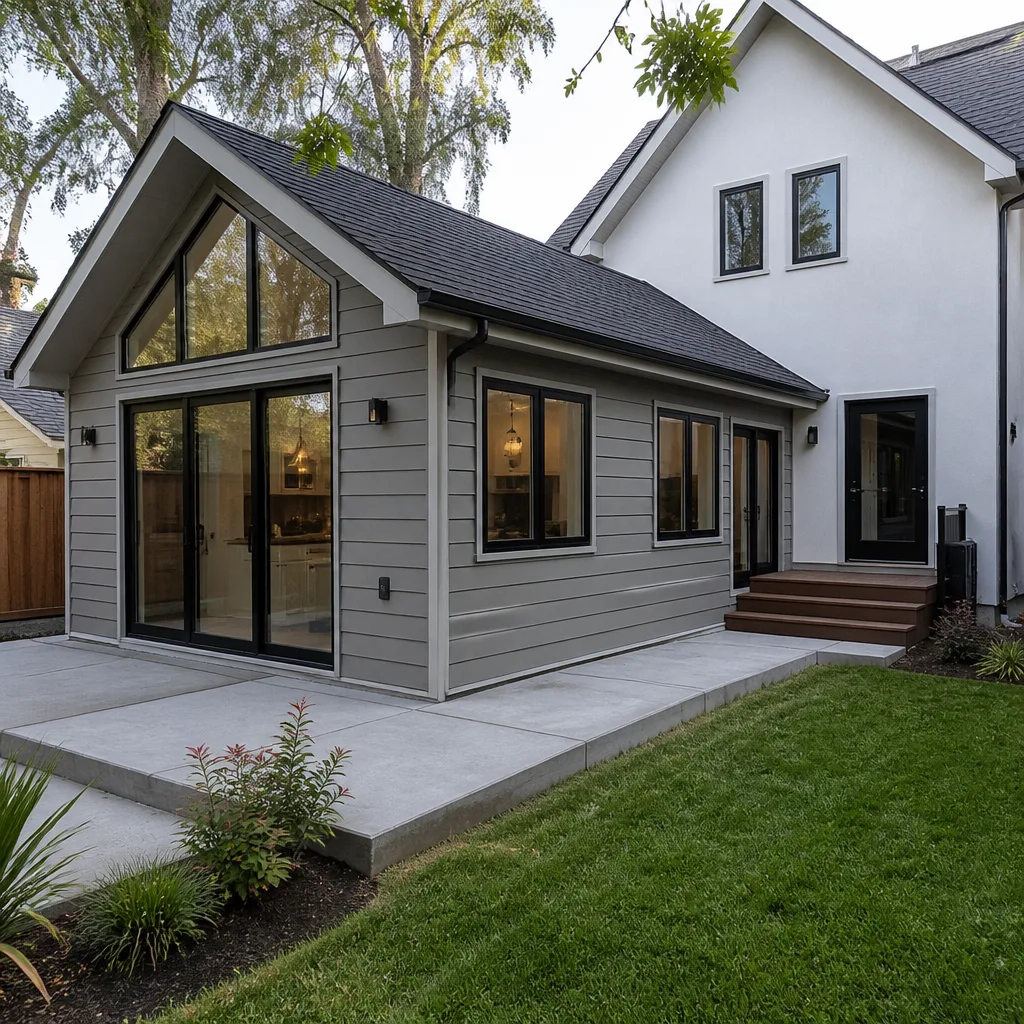 Home additions & ADU
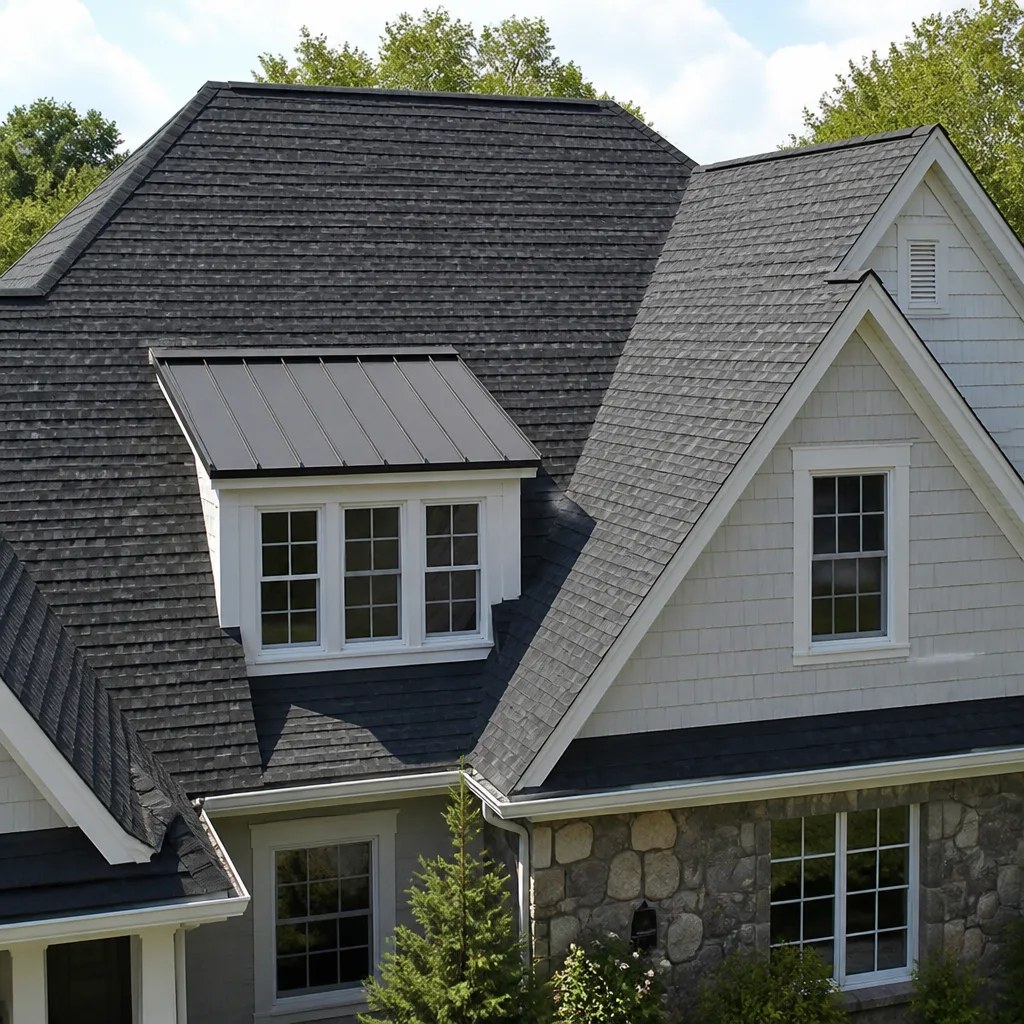 Roofing
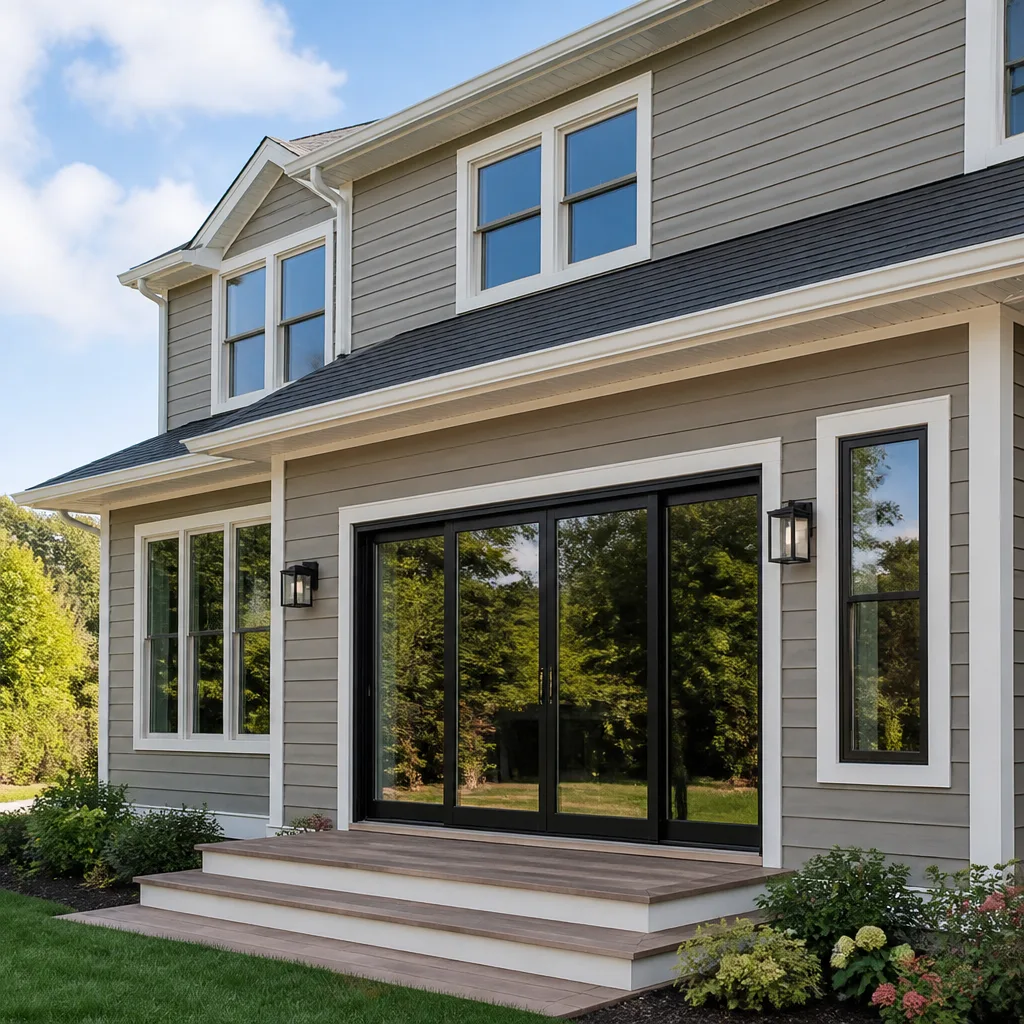 Windows & doors
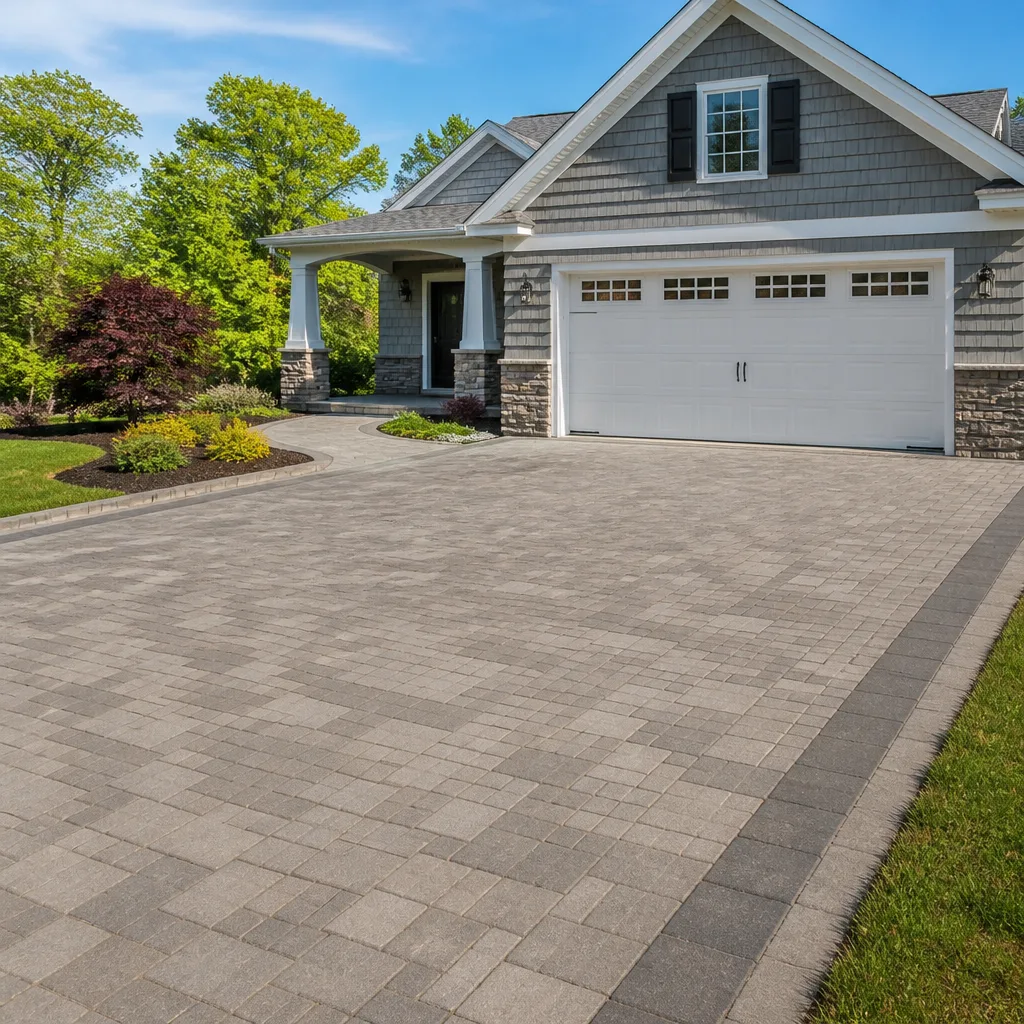 Driveway & pavers
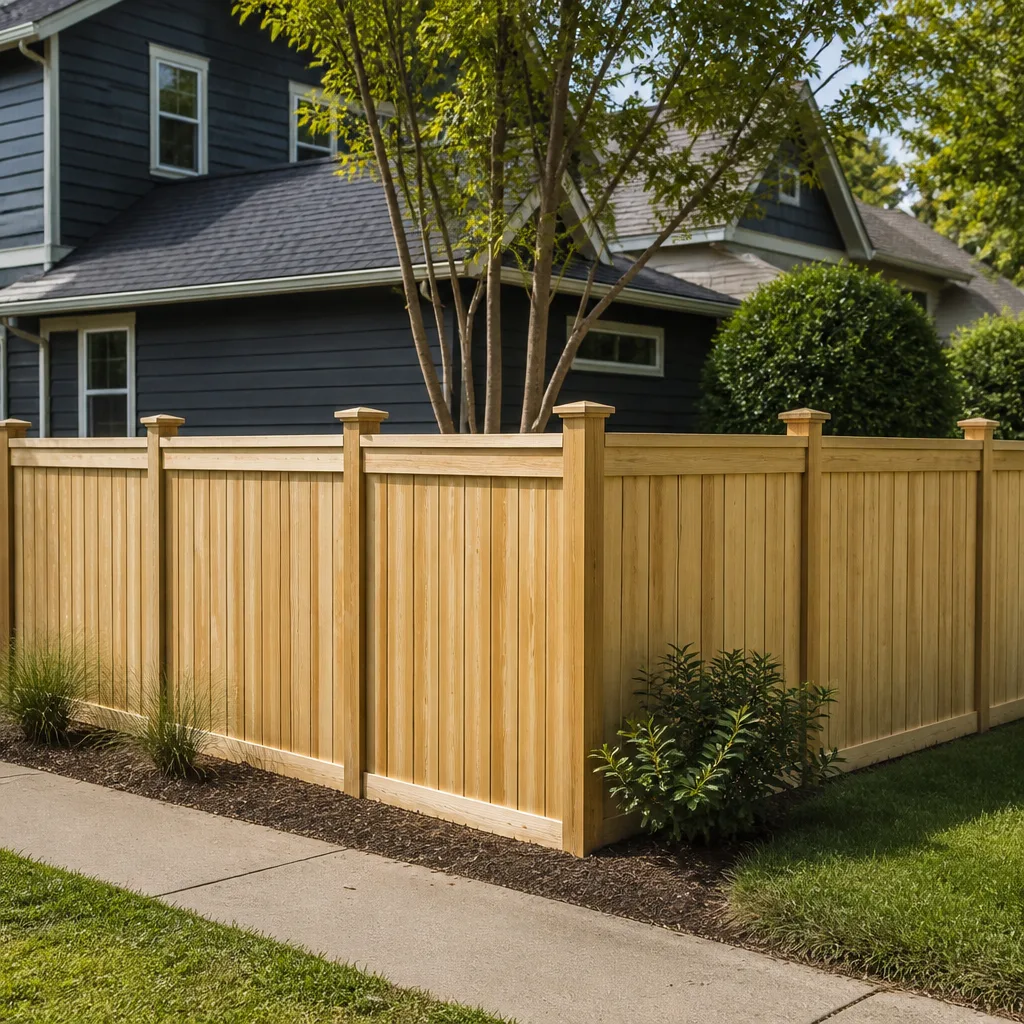 Fence
Free written scope consultation - allowances, timeline, and change-order rules on paper before a single trade is scheduled
Choosing the Right Construction Brand: A Buyer’s Guide for Watsonville
Most homeowners walk into a Watsonville kitchen or roofing showroom and pick materials the same way they’d pick paint colors. That’s understandable, but it’s also why so many renovations in this town age faster than they should. What gets specified for a subdivision in Tracy or a ranch house in Modesto often underperforms here, where marine fog rolls over the Pajaro Valley 200 mornings a year and salt air settles on every exterior surface. The right brand isn’t the one with the best marketing. It’s the one whose installation spec sheet matches the actual conditions on your street. This guide breaks down how to evaluate construction brands by performance category, what Watsonville’s climate does to each material family, and where brand choice actually moves the needle on longevity. For a deeper dive into planning your project, see The Complete Guide to Construction in Watsonville. You’ll leave with a framework you can apply to any quote, from a GAF roof to a Cambria countertop.
Styles & brands we work with
Quick Answer
The best construction brands for Watsonville homes are those engineered for coastal humidity, wind exposure, and salt air, not just the most advertised names. For roofing, prioritize GAF, CertainTeed, or Owens Corning lines with algae-resistant granules and transferable wind warranties rated for Santa Cruz County’s exposure zones. For windows, choose extruded aluminum or fiberglass frames over wood. For countertops, quartz from Cambria, Silestone, or MSI outperforms granite in this humidity range. For cabinetry, insist on KCMA-certified plywood boxes rather than particleboard. The brand matters less than the specific product line within it, and the installation spec sheet tells you more than the brochure does.
Table of Contents
- Roofing Brands in Watsonville: Why the Warranty Fine Print Matters More Than the Shingle
- Windows and Salt Air: Frame Material Decisions That Affect Your Next Decade
- Countertop Brands and Watsonville’s Humidity: Quartz vs. Granite, Explained Honestly
- Cabinetry Construction: What KCMA Certification Actually Tells You
- How to Read a Manufacturer’s Installation Spec Sheet Like a Contractor
- ADU and Prefab Brands: The Watsonville Opportunity Most Guides Skip
- Plumbing Fixture Brands in a Hard-Water Region
- Common Mistakes to Avoid
- When to Call a Professional
- Frequently Asked Questions
- The Bottom Line
Roofing Brands in Watsonville: Why the Warranty Fine Print Matters More Than the Shingle
A roof in Watsonville faces three stresses that a roof in Sacramento or Fresno mostly ignores: persistent moisture, wind gusts that funnel through the Pajaro Valley from Monterey Bay, and organic growth driven by fog condensation. The asphalt shingle itself is often a commodity. What separates one manufacturer from another is the warranty structure, the algae-resistance technology, and the wind ratings assigned to specific lines. GAF, CertainTeed, and Owens Corning all manufacture excellent shingles. They do not all cover coastal installations the same way.
GAF’s Timberline line carries a wind warranty up to 130 MPH when installed with their full roof system, including the underlayment and starter strips. CertainTeed’s Landmark series also tops out at 130 MPH but requires their Integrity Roof System to activate that coverage. Owens Corning Duration shingles with their SureNail strip reach 130 MPH as well. The critical detail is this: the wind warranty is void if the shingles are not installed with the matching manufacturer system components. A roofer who quotes a GAF shingle over generic underlayment will not trigger the GAF warranty, even though the shingle on the roof says GAF on the wrapper.
Algae resistance is the second variable. Watsonville’s fog deposits moisture on north-facing roof slopes that never fully dries, and the resulting algae streaking is common throughout neighborhoods near the sloughs and along the coast. GAF uses copper-infused granules in their StainGuard lines. CertainTeed uses StreakFighter technology. Owens Corning uses a different copper formula in their StreakGuard products. All three work, but the algae warranty period typically runs 10 to 15 years while the shingle itself is warranted for 25 or 30. That gap matters if you’re holding the house for a decade.
Finally, consider the wind zone. Santa Cruz County sits within the 110 MPH to 130 MPH exposure range depending on parcel location, with homes on ridge lines and open valley edges flagged for the higher rating. A roof spec that satisfies the coastal zone will often exceed what the building department requires inland, but ignoring the zone entirely means a shingle warranty that won’t pay out if a January storm tears a slope off. This is where Seaside Contractors home in Watsonville walks clients through the full manufacturer system spec, because the shingle is only as good as its underlayment pairing.
Windows and Salt Air: Frame Material Decisions That Affect Your Next Decade
Watsonville sits close enough to Monterey Bay that airborne salt reaches most neighborhoods, especially west of Highway 1 and in the flats near the sloughs. That single fact should drive your window frame material choice more than any showroom display. Wood windows, standard vinyl windows, and aluminum windows do not age equally here.
Wood frames and sashes absorb the marine moisture that swings through the air every afternoon. The result is predictable: paint failure at the sill, swelling around the corners, and rot at the joints within five to eight years if the windows aren’t maintained aggressively. Many Watsonville homeowners who bought wood windows a decade ago are now pricing replacements. The maintenance tolerance is simply higher than most people budget for. Milgard and JELD-WEN both make solid wood lines, but we recommend them primarily for inland-facing rooms on well-protected walls.
Extruded aluminum and fiberglass windows are the better call for coastal exposure. Milgard’s thermally broken aluminum line, Andersen’s 100 Series fiberglass, and JELD-WEN’s Siteline aluminum-clad wood all resist salt corrosion and dimensional movement far better than painted wood. Vinyl can perform well too, but there’s a quality split: thin-walled vinyl expands and contracts with the temperature swings between Watsonville mornings and afternoons, while higher-uPVC formulas used by brands like Milgard’s Tuscany line stay more stable.
The frame material decision becomes a ten-year maintenance cost question. An aluminum or fiberglass window costs more upfront than vinyl, but if you’re paying for repainting or frame repair three times over a decade, the initial savings vanish. For window and door packages on whole-home remodels, we evaluate this math case by case, because a south-facing wall shielded by a porch is a different decision than a west-facing wall that takes full afternoon sun and fog.
Countertop Brands and Watsonville’s Humidity: Quartz vs. Granite, Explained Honestly
Granite still sells in Watsonville because it reads as natural stone and feels substantial. But granite has a porosity problem that shows up in this climate. Natural granite slabs run 0.5 to 1.5 percent porosity, meaning moisture, cooking oil, and red wine can penetrate if the sealer wears down or was never applied correctly. In a maritime climate where kitchens stay slightly damp a good part of the year, that porosity invites staining and bacterial growth in micro-fissures. Sealing granite is not a buy-once decision; it’s an every-one-to-two-year maintenance event.
Quartz slabs from Cambria, Silestone, and MSI are engineered at porosity levels near zero. The resin binders in quartz fill the stone’s natural voids, leaving a non-porous surface that doesn’t need sealing and doesn’t harbor moisture. Cambria sells this as a lifelong no-sealing commitment and offers a transferable lifetime warranty against manufacturing defects. Silestone carries a 25-year warranty with transferability included. MSI’s Q Premium Natural Quartz carries a lifetime warranty for residential use. The warranty differences narrow when you compare them honestly, but the material behavior is consistent: quartz outperforms granite in Watsonville’s humidity range.
Edge profile options also differ between manufacturers. Cambria cuts standard profiles at their Minnesota facility and is less flexible for custom on-site edge work. Silestone and MSI slabs are fabricated locally by certified shops, which means a fabricator can cut a custom ogee or waterfall edge from the same slab. If your kitchen design includes a thick mitered waterfall panel, the local fabrication route often fits better. None of this shows up in the showroom sample.
Want the countertop to match the cabinetry and the sink in one conversation? That’s where the brand portfolio matters. We pair Cambria or Silestone countertops with KraftMaid or Wellborn cabinets and plumbing from Kohler or Blanco, and the ordering sequence, from template to install, moves faster when one contractor coordinates all of it.
Cabinetry Construction: What KCMA Certification Actually Tells You
Watsonville’s moisture cycle stresses cabinets in ways that show up quietly over five years. Plywood box construction holds together at the joints and hinges as humidity swings. Particleboard boxes, common in entry-level cabinet lines, absorb moisture through the unfinished edges and swell, cracking the laminate and loosening hinge screws. The failure isn’t dramatic. It’s a drawer face that starts to sag, a door that rubs the frame, a hinge that won’t stay tight. By the time a homeowner calls us, the fix usually costs more than the initial cabinet savings.
The Kitchen Cabinet Manufacturers Association, or KCMA, tests cabinets for structural integrity under load, door hinge durability, and finish resistance to heat and moisture. KCMA certification is not a brand. It’s a testing standard that brands choose to meet. KraftMaid and Wellborn both certify their lines to these standards, with plywood box options across most of their catalog. When you see KCMA on a cabinet label, you’re looking at a product subjected to 65,000 door-open cycles and a hot-moisture cycle test that approximates a humid kitchen environment. A cabinet that survives those tests handles Watsonville’s kitchen conditions without drama.
The construction difference is worth quantifying. A plywood box cabinet from a certified line costs 20 to 35 percent more than a particleboard box of the same door style. That premium buys you corner braces, thicker box panels, and hardware anchoring that does not pull out. If the house is a rental or a flip, particleboard may pencil out for the holding period. If it’s the home you’re staying in, the plywood box is the higher-value choice, no matter which brand name is on the door. For a General Contractor in Foster City or Watsonville, the specification conversation starts with what’s behind the door panel, not the color of it.
How to Read a Manufacturer’s Installation Spec Sheet Like a Contractor
Every reputable building product ships with a technical installation guide. Most homeowners never see it because it’s written for the installer, not the buyer. But a fifteen-minute read of the spec sheet tells you more about whether the product fits Watsonville’s conditions than an hour in a showroom. Here is the framework we use:
- Climate zone reference. The spec sheet should list acceptable installation temperature ranges, moisture limits, and sometimes the IECC climate zone. Watsonville sits in climate zone 3C, the marine band. A product whose acceptable install range is 40°F to 95°F works year-round here. A product requiring 60°F minimum installs is a summer-only product for us.
- Substrate requirements. Flooring needs a moisture emission limit, typically 3 lbs or 5 lbs per 1,000 square feet per 24 hours for vinyl and laminate. A product with no stated limit is hiding something. A Watsonville slab-on-grade floor with no moisture test may sit at 8 to 12 lbs in winter.
- Fastener and accessory mandates. The roof shingle section above is the clearest example: the shingle warranty lists a specific underlayment, starter strip, and often the manufacturer’s own ridge vent. If the products listed are not on your quote, the warranty does not apply. Period.
- Ventilation assumptions. Attic and roof products often assume a certain net free ventilation area, typically one square foot per 150 square feet of attic. Watsonville roofs hold condensation longer than inland roofs, so undersized ventilation voids the shingle warranty and speeds up deck rot.
- Maintenance intervals. The spec sheet usually lists a required maintenance schedule, including cleaning frequency for windows and sealant reapplication for decks. A brand whose interval matches your actual maintenance tolerance is a better fit than a brand with a longer nominal lifespan.
Reading the installation spec sheet is not contractor gatekeeping. It’s the fastest way to see whether a product is engineered for Watsonville’s climate zone or just for a brochure photo. For homeowners hiring a Home Remodeling in Foster City or Watsonville project, we recommend asking the contractor to put the manufacturer’s system components in the written quote, by name, along with the labor. If the quote says “GAF shingles” but the underlayment line is blank, the warranty is blank too.
ADU and Prefab Brands: The Watsonville Opportunity Most Guides Skip
Watsonville’s ADU wave is real, driven by state law, garage conversion allowances, and housing demand that shows no sign of cooling. Most brand guides for construction skip the ADU category entirely because it’s structurally different from finish materials. That omission is a mistake, because the prefab ADU manufacturer you choose determines more about the build than any countertop ever will.
Abodu, Dvele, and Boxabl approach prefab construction with different assumptions. Abodu’s model is permit-to-occupancy speed with a factory-built module designed to California code; their units are delivered on steel and placed behind existing homes. Dvele’s system is a higher-end panelized build with emphasis on energy performance and airtightness. Boxabl’s approach is foldable modules that ship flat and unfold on site. The differences ripple into the permit process, the foundation design, and the utility hookups. A brand-to-brand comparison only makes sense when you understand the city of Watsonville’s ADU review path and the site conditions on your lot.
The same logic applies to fencing and hardscaping. A cedar fence from a big-box store weathers to gray in two Watsonville winters. An Ameristar or Master Halco steel or aluminum fence costs more upfront, but the material spec is closer to what the coastal moisture demands. For paving, Belgard, Techo-Bloc, and Unilock each run different paver lineups: Belgard’s permeable pavers are engineered for stormwater management, which matters for Watsonville lots where drainage crosses the property, while Techo-Bloc’s dimensional flags suit larger patio layouts. The brand conversation starts with the drainage and slope conditions, not the color.
Plumbing Fixture Brands in a Hard-Water Region
Watsonville’s water runs moderately hard through much of the city’s service area, and that mineral content accumulates in faucet aerators, shower cartridges, and fixture finishes. The plumbing fixture brand you choose has to hold up to calcium and magnesium deposits that most coastal California cities don’t deal with at the same concentration.
Kohler and Toto lead the category for engineered cartridges that resist mineral scaling, though the difference shows up over five to seven years rather than in the first season. Moen and Delta both produce solid mid-tier lines, with Moen’s Duralock cartridges and Delta’s Diamond Seal technology carrying longer functional warranties than their entry-level siblings. American Standard is the value-engineering option that still meets functional baselines for most bath remodels. Grohe operates in the premium segment, with ceramic disc cartridges that shrug off hard water but at a price point that needs to earn its place in the overall budget.
For sinks, Blanco’s silgranit material resists hard water spotting better than polished stainless, a practical advantage that matters in a Watsonville kitchen where hard water films stand out on dark finishes. The point is not that one brand wins across the board. The point is that fixture selection should account for the water chemistry you’ll actually have, not the water chemistry a showroom display assumes.
Common Mistakes to Avoid
- Buying the brand, not the product line. GAF, CertainTeed, and Owens Corning each make entry-level and premium lines. The warranty structures differ by line, not by brand name alone. Ask for the specific line and its installation requirements.
- Skipping the moisture test before flooring. Injecting glue-down vinyl or laminate over a Watsonville slab without a calcium chloride test can result in adhesion failure within the first winter. A $150 test is cheap insurance.
- Choosing wood windows on a salt-exposed wall. Wood performs fine on sheltered inland-facing elevations, but a west-facing bedroom wall near the sloughs is a maintenance commitment that most homeowners don’t fully price.
- Specifying granite countertops without budgeting for resealing. Natural granite needs periodic sealing in this humidity range, while quartz does not. If the maintenance is someone else’s job, granite works. If it’s yours, factor it in honestly.
- Assuming the cheapest cabinet price is apples to apples. Particleboard boxes cost less than plywood, and the difference usually shows up as sagging doors and stripped hinges within five years in Watsonville’s moisture cycles.
- Ignoring the underlayment line on the roofing quote. The shingle carries the warranty only when installed with the manufacturer’s complete system. A vague underlayment spec voids the coverage.
- Choosing a prefab ADU brand before checking the site constraints. Abodu, Dvele, and Boxabl each suit different lot shapes, setbacks, and utility connection scenarios. The brand decision follows the site assessment, not the other way around.
When to Call a Professional
If you’re looking at a roof replacement, a whole-home window package, a kitchen or bath renovation, or an ADU on a tight Watsonville lot, the brand decisions compound quickly. A roofer who knows only one manufacturer will spec that brand regardless of your parcel’s wind zone. A remodeler who doesn’t work with hardscaping brands will stop their scope at the back door. A prefab ADU manufacturer who sells direct will not coordinate the foundation, the utility trenching, or the finish inspection. These are coordination problems, and they’re exactly what a full-scope general contractor is designed to solve. Home Renovation in Foster City and Watsonville projects share the same logic: one accountable team across structural work, roofing, windows, cabinetry, countertops, and the ADU itself. Seaside Contractors offers free estimates in Watsonville. Call (833) 589-8103 to schedule yours.
Frequently Asked Questions
GAF, CertainTeed, and Owens Corning all manufacture shingles rated for Watsonville’s wind and moisture conditions, but the specific line matters more than the brand name. Look for a shingle with algae-resistant granules and a wind warranty of 110 to 130 MPH installed as a complete manufacturer system with matching underlayment and starter strips. Call (833) 589-8103 for a quote that lists the full system, not just the shingle.
Yes, for most homeowners. Quartz from Cambria, Silestone, or MSI is non-porous and requires no sealing, while granite runs 0.5 to 1.5 percent porous and needs resealing every one to two years in Watsonville’s humidity. Quartz also resists the staining and moisture retention that show up on granite in marine air.
Expect a 20 to 35 percent premium over particleboard boxes for cabinets from KCMA-certified lines like KraftMaid or Wellborn. The premium buys structural stability through Watsonville’s seasonal moisture swings and avoids the hinge and joint failures common in particleboard boxes after five years. Call (833) 589-8103 for an exact quote based on your kitchen layout.
Extruded aluminum or fiberglass frames resist salt corrosion and moisture damage far better than wood or standard vinyl. Milgard’s aluminum line, Andersen’s fiberglass 100 Series, and JELD-WEN aluminum-clad choices all perform well on exposed walls in Watsonville’s marine environment.
You can choose first, but the decisions interlock. A countertop spec affects the cabinet height, the plumbing fixture clearance, and the sink cutout. A roofing system spec affects the ventilation requirement in the attic. A full-scope Seaside Contractors home general contractor coordinates these choices so the brands you select actually perform together on site.
Abodu, Dvele, and Boxabl each serve different site conditions. Abodu fits many standard Watsonville lots with a fast permit-to-occupancy path, while Dvele suits larger energy-performance budgets. Boxabl can work on unusually tight access. The right answer requires a site assessment, not a brochure comparison. Call (833) 589-8103 to talk through your lot.
The Bottom Line
Brand selection in construction is not a style exercise. It’s a performance calculation, and in Watsonville the variables are marine fog, salt air, hard water, and wind patterns that punish generic specifications. The roofing brand that dominates the Central Valley does not automatically belong on your roof. The granite countertop that looks great in a Fresno showroom will demand resealing in your kitchen. The particleboard cabinet box that was cheap enough on the quote will sag before the mortgage is halfway paid. Start with the climate, the exposure, and the maintenance tolerance, then work backward to the brand. That’s the order the products were engineered for. When you’re ready to put the framework to work on a real project, explore our more guides & resources or call Seaside Contractors at (833) 589-8103. We’ll match the material to the project.
Written by the team at Seaside Contractors, serving Watsonville since 2013.
See the difference
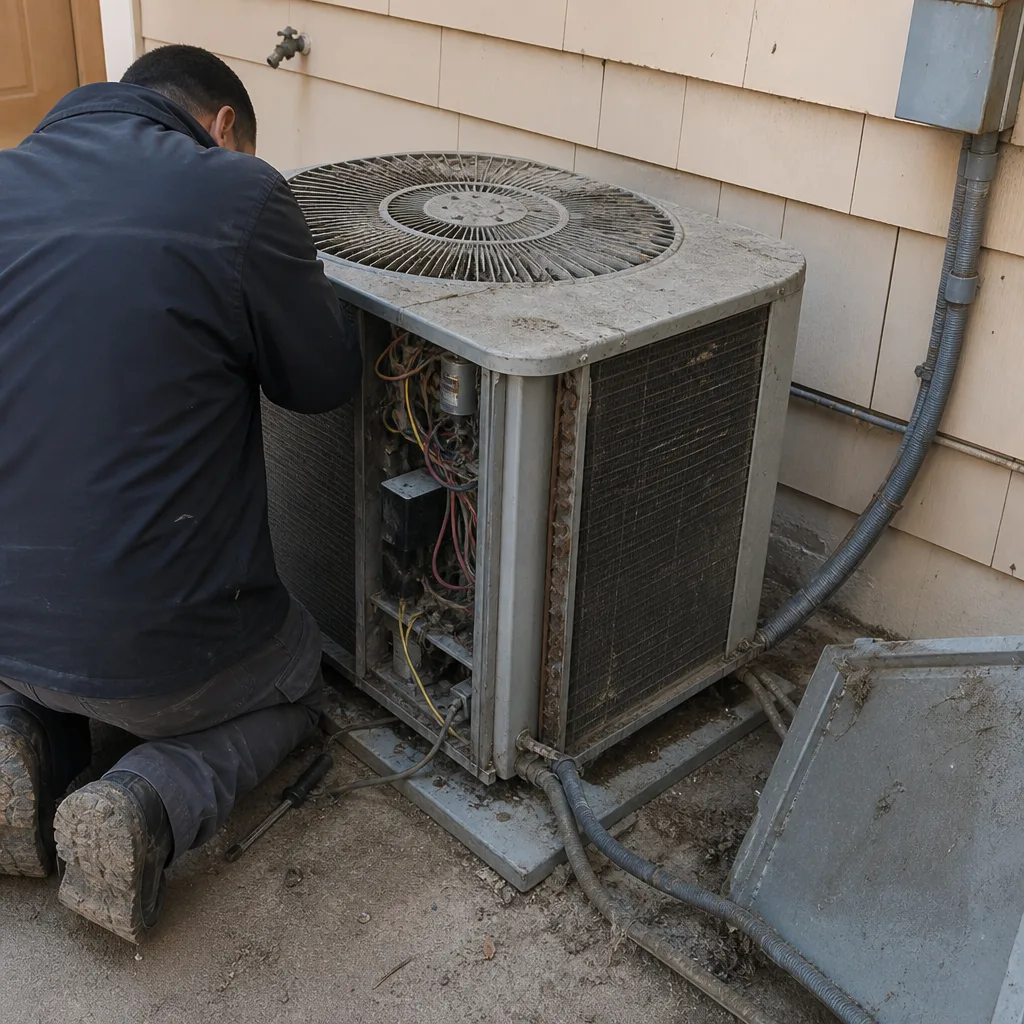 Before
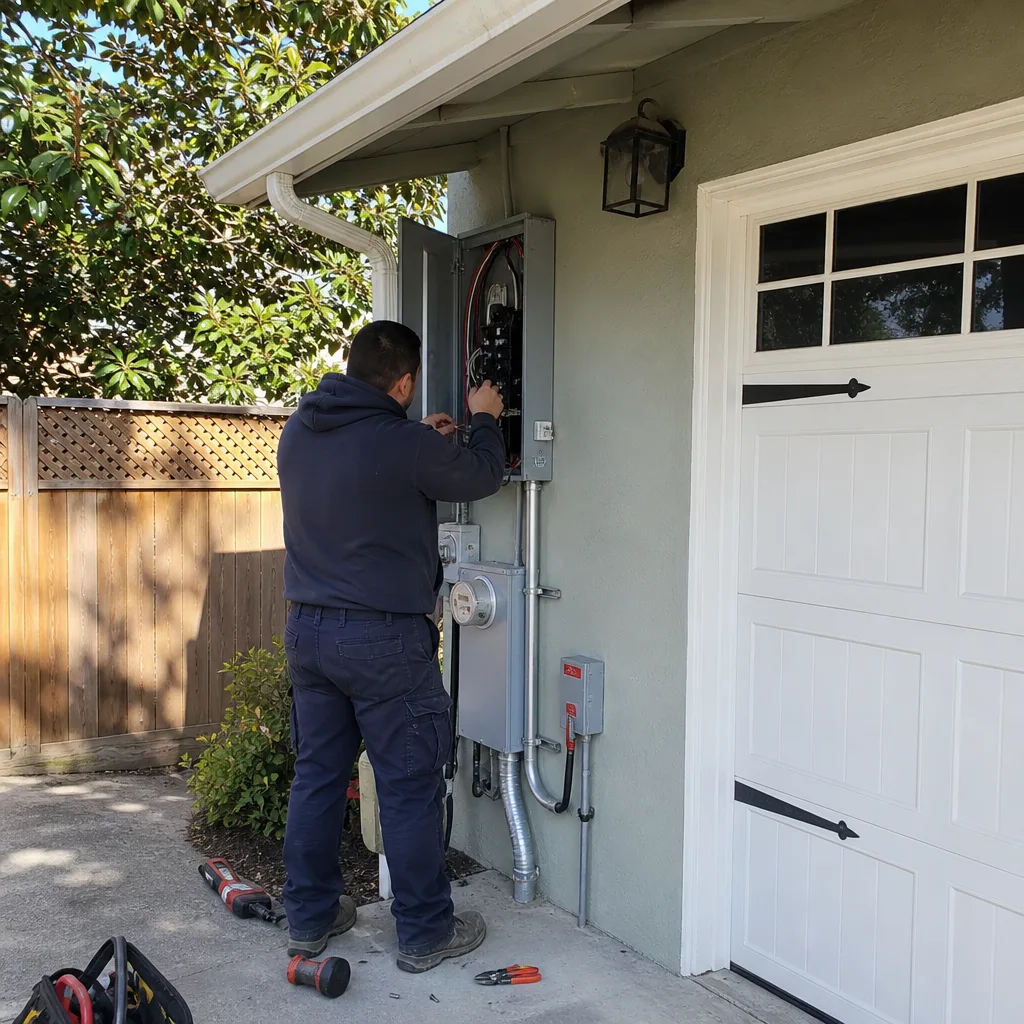 After
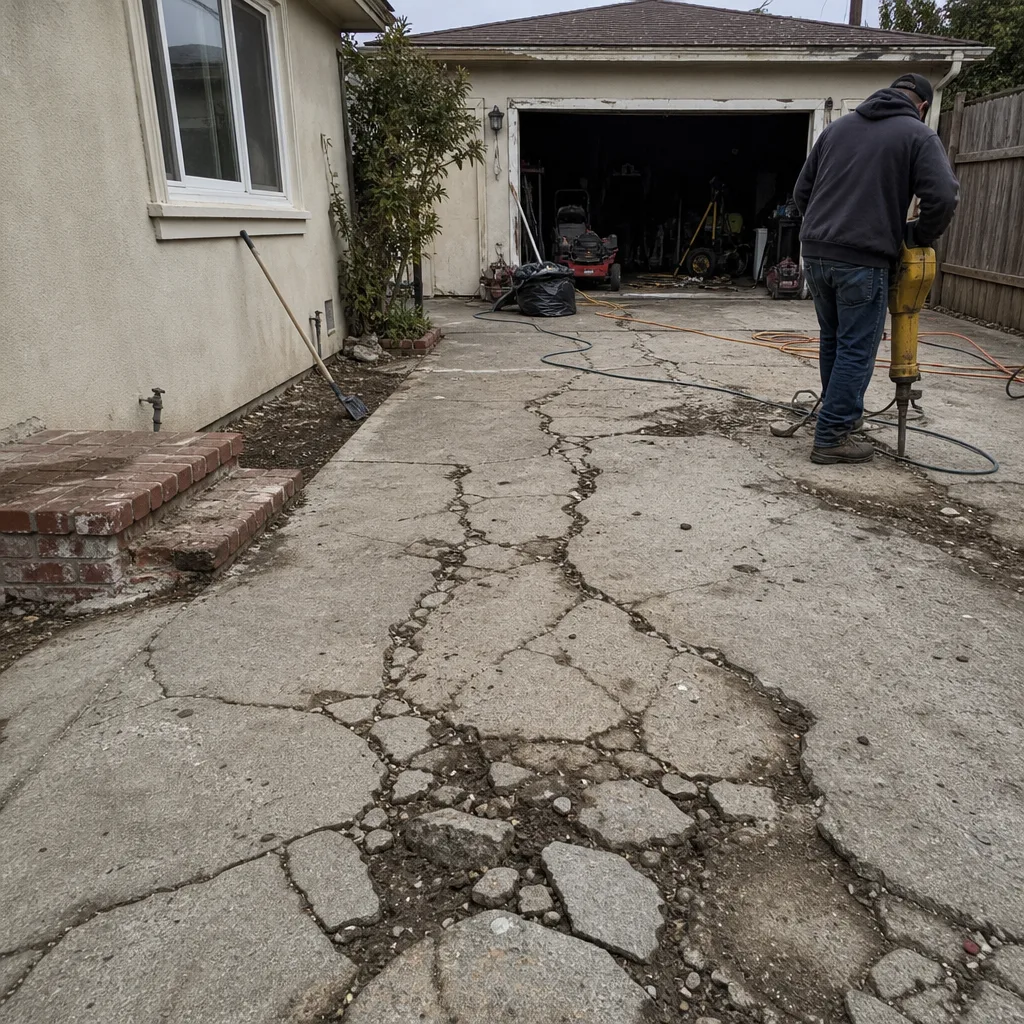 Before
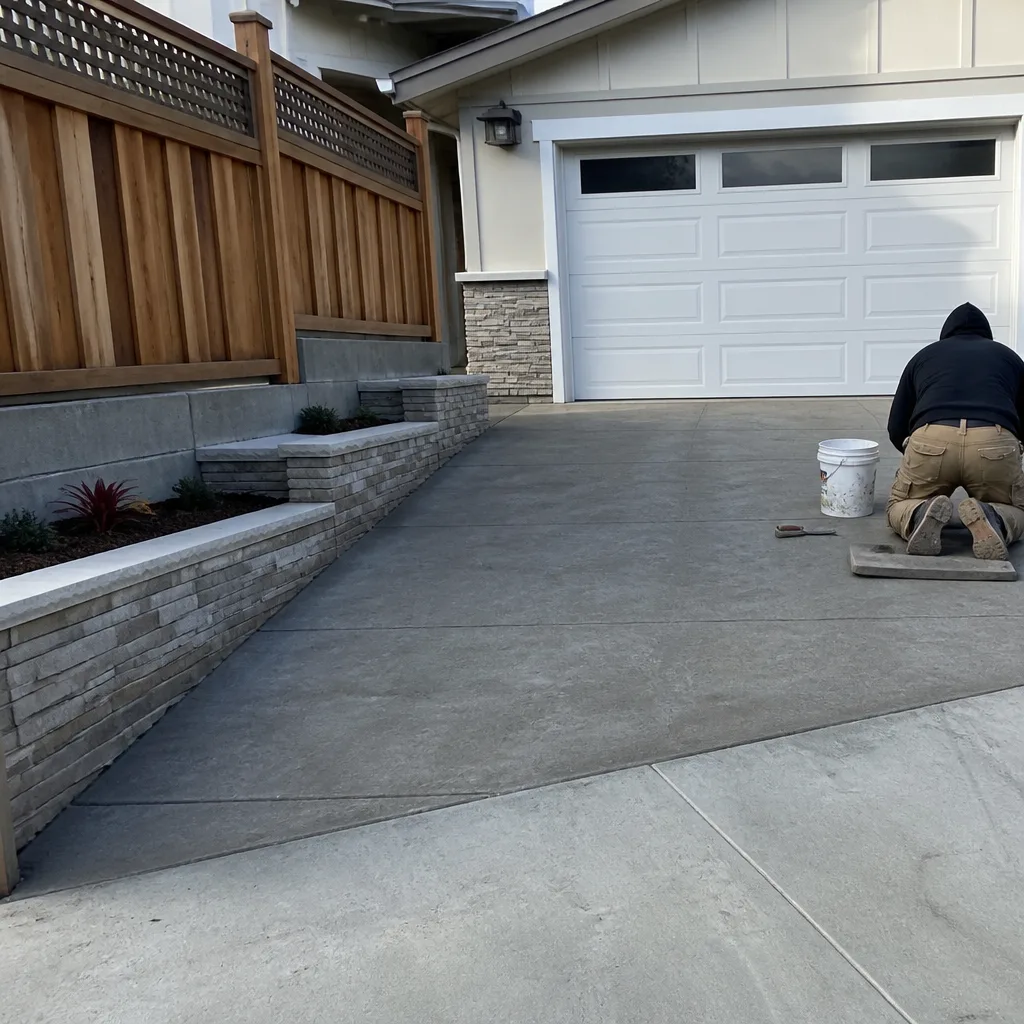 After
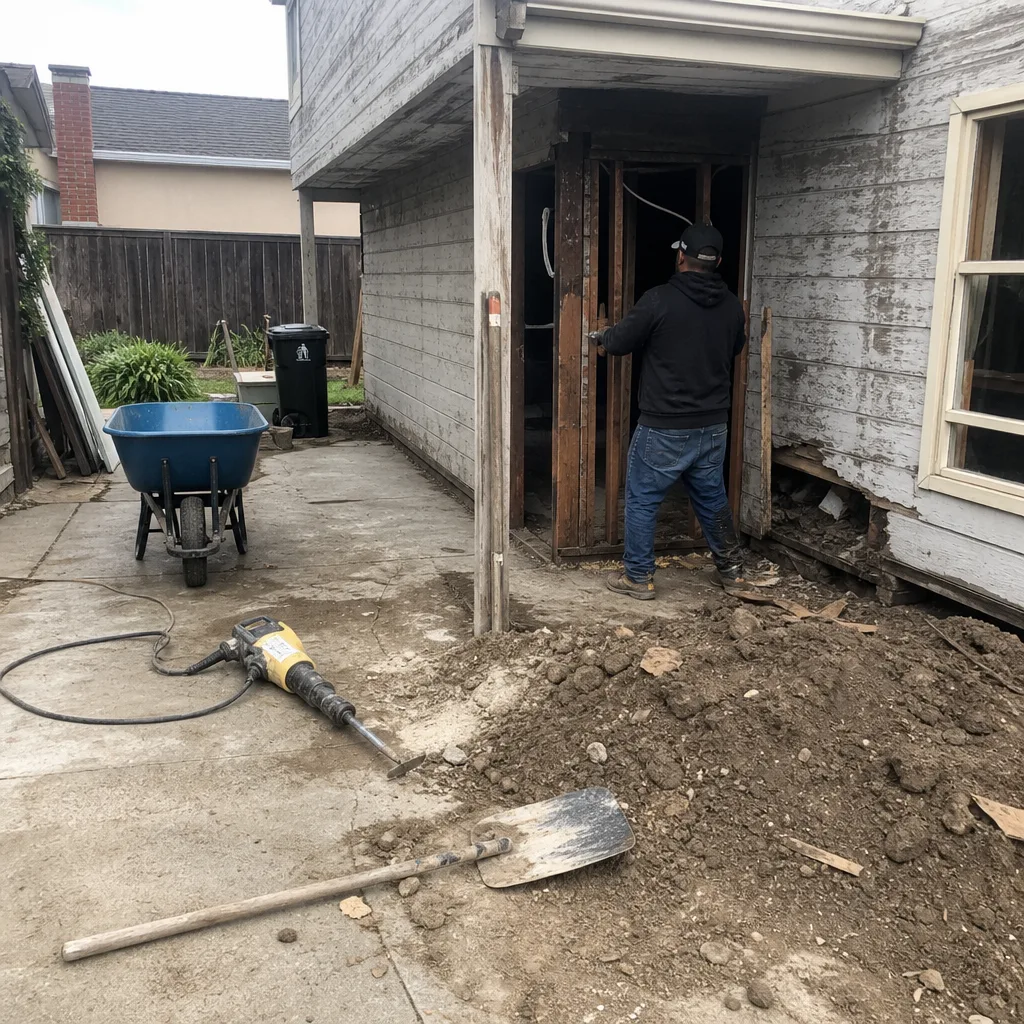 Before
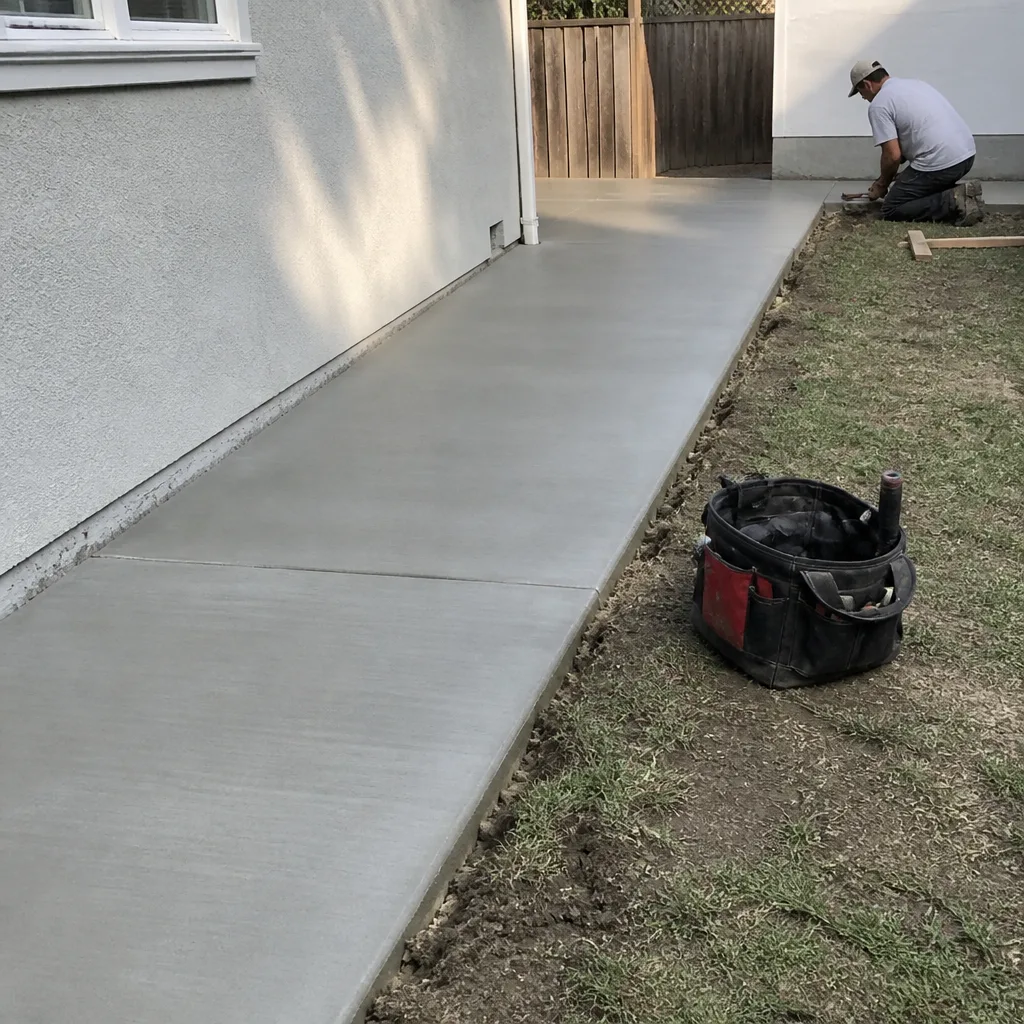 After