
Emergency General Contractor Near Me: What Watsonville Homeowners Should Do First
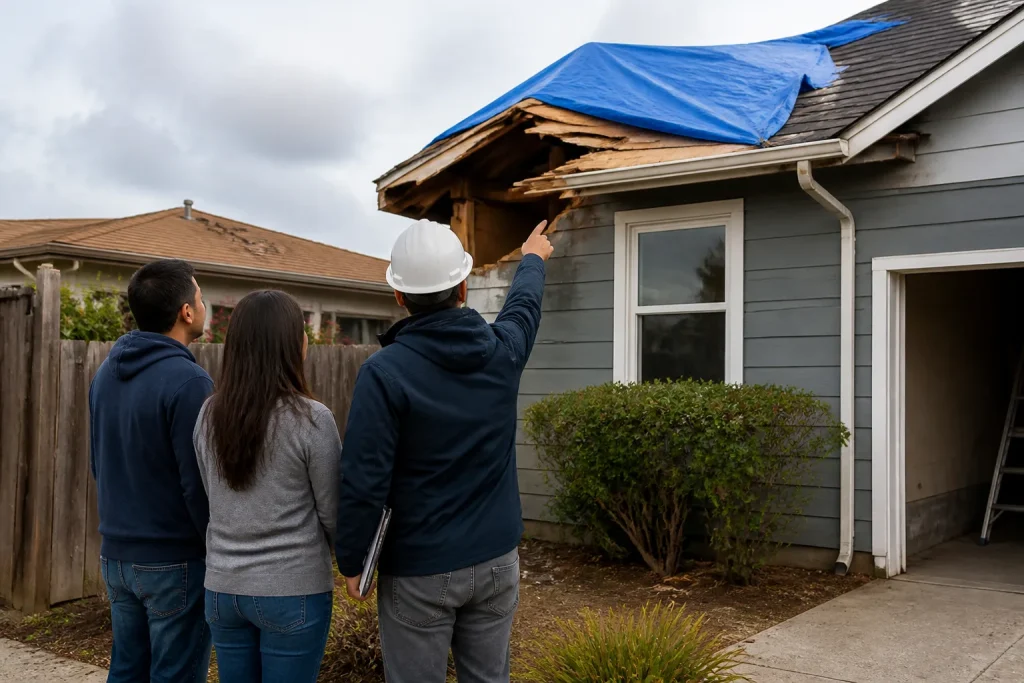
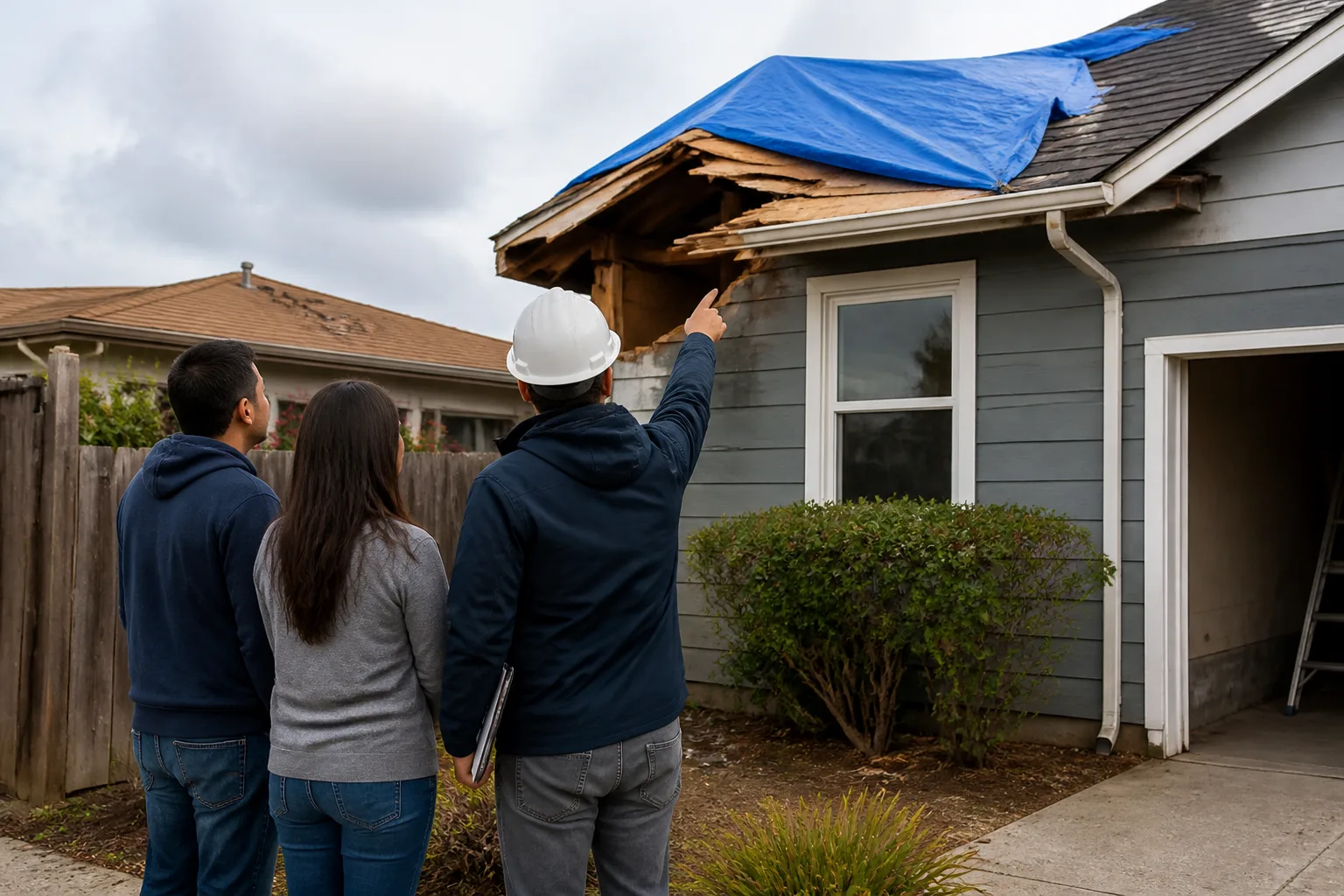
If you’re searching “emergency general contractor near me” in Watsonville because something just went wrong, stop and read this before you call anyone. The thirty minutes after discovering storm damage, a structural failure, or a contractor abandonment are the highest-stakes decision window you’ll face as a homeowner. Calling a contractor is actually the third thing you should do. The first two, documenting damage before anything is touched and notifying your insurance carrier before authorizing emergency repairs, determine whether your claim pays out. Most homeowners get this backwards, and it costs them thousands.
If you’d rather not handle this alone, call (833) 589-8103 and we’ll walk you through the process. But if you want to protect yourself first, here’s the order that actually works.
Step One: Document Everything Before Anything Gets Touched
Insurance adjusters don’t need your narrative. They need evidence. In our experience reviewing Watsonville claims, the homeowners who get full payouts share one habit: they photographed and filmed everything before a single tarp went up or a single nail got pulled.
Here’s the exact documentation protocol adjusters actually need:
- Wide shots first. Stand back and capture the entire affected area so the adjuster understands context. If it’s a roof issue, shoot the whole roofline from the street. If it’s water damage, capture the full room before moving closer.
- Close-ups second. Move in tight on cracks, water stains, split framing, exposed wiring, or whatever failed. Your phone camera’s grid lines help establish scale.
- Video walkthrough. Film a slow, steady sweep of the damage while narrating what you’re seeing and when you first noticed it. Adjusters watch these videos. Be factual, not emotional.
- Timestamp everything. Your phone does this automatically. If you’re using a separate camera, photograph a newspaper or your phone’s date screen in the frame. It sounds old-school, but it blocks any dispute about when damage occurred.
- Photograph the weather. If storms caused it, capture the sky, standing water, wind-blown debris, or anything else that shows conditions. Watsonville’s winter storms and occasional high-wind events through the Pajaro Valley are well documented, but your photos tie your specific damage to a specific event.
One Watsonville homeowner we worked with on a water damage claim told us her adjuster specifically commented on how thorough her documentation was. She received her full payout in eleven days. Her neighbor, same storm, same street, no photos, waited nine weeks for a partial settlement. The difference wasn’t luck. It was evidence.
Key point: Do not start emergency repairs until you’ve documented the scene and spoken with your insurance carrier. Even “temporary” fixes can complicate a claim if they alter the evidence.
Step Two: Call Your Insurance Carrier Before Authorizing Any Repairs
Here’s the part Watsonville homeowners routinely get wrong. They call a contractor first, authorize emergency stabilization work, and then discover their insurance company won’t cover repairs that were already underway without prior approval. The policy language is clear: you have a duty to notify your carrier promptly and a duty to mitigate further damage. But mitigation is not the same as repair.
What you can do before the carrier responds:
- Tarp a leaking roof. Temporary weatherproofing is mitigation. It prevents further damage. Your carrier expects this.
- Shut off water or power if there’s an active hazard. This is safety, not repair.
- Move undamaged belongings out of harm’s way. Document their condition first.
What you should not do before carrier authorization:
- Tear out drywall or flooring. That’s repair. Wait for the adjuster.
- Hire anyone to start permanent fixes. Even if they’re already on site. “Temporary” becomes permanent fast.
- Sign a repair contract with a full scope of work. Emergency stabilization contracts are common, but read them before signing. We’ve seen Watsonville homeowners accidentally sign away their right to a full claim by authorizing a handshake “fix it all” deal under stress.
One caution from the field: some storm-chasing contractors hand you a work authorization that includes language assigning your insurance benefits to them. That’s legal in California, but it means the contractor negotiates with your carrier, not you. Sometimes that’s fine. Often it means you lose control of the outcome. Read the document. If you don’t understand it, don’t sign it.
Step Three: Vet Before You Call, Even Under Pressure
Now you can look for an emergency general contractor in Watsonville. But the first contractor who shows up after a weather event is rarely the right choice. We’re not saying that out of rivalry. It’s just how storm response works. Out-of-town crews follow storm tracks, knock on doors, and offer fast fixes. Some do good work. Some don’t. Either way, ten minutes of vetting separates a solid hire from a regret.
Here’s the 10-minute vetting check that works under time pressure:
- Check the license. Go to the Contractors State License Board website and search the contractor’s name. If they’re not licensed in California, hang up. If they are, confirm the license is active and check for any disciplinary actions. A general contractor in Watsonville should hold a Class B license.
- Ask for their Watsonville project history. Not references, not yet. Just ask: “What have you done in Watsonville recently?” Local experience matters because our building department, our soil conditions, and our coastal climate all shape how a project should be handled.
- Verify insurance. Ask for a certificate of insurance naming you as additionally insured. It takes one email. If they balk, move on.
- Read the contract before you sign. Even a temporary stabilization agreement should specify scope, price, and duration. Blank spaces and verbal promises are how claims get tangled.
We’ve worked with materials from brands like Master Halco and Ameristar on fencing and perimeter work around Watsonville properties after wind events. The reason we mention specific manufacturers isn’t to sell you on a brand. It’s to show you what to look for: a contractor who can tell you exactly what materials they’ll use and why. If someone shows up and says “we’ll use whatever’s cheapest,” that’s a red flag. Even under emergency conditions, material choices matter.
Watsonville-Specific Resources You Should Know About
Every city handles construction emergencies differently, and Watsonville is no exception. These are the local resources that actually matter when something goes wrong:
Santa Cruz County Building Department. Watsonville falls under Santa Cruz County jurisdiction for building permits and inspections. If your emergency involves structural damage, a stop-work order, or questions about what requires a permit, this is your first call. They maintain an emergency inspection line for situations where a structure is unsafe and needs immediate evaluation.
CSLB contractor abandonment process. If a contractor walked off your Watsonville job, California law has a specific definition of “abandonment” and a complaint process through the CSLB. The timeline matters: you’ll need to document that the contractor failed to return for a set period, that you made reasonable attempts to contact them, and that the work was covered under a valid contract. Filing quickly protects your position. The CSLB can investigate, suspend licenses, and in some cases help homeowners access recovery funds.
Stop-work orders and your timeline. If a code violation or permit issue triggered a stop-work order on your Watsonville property, don’t ignore it. The clock starts when it’s posted. Fixing the underlying issue and getting the order lifted involves the county building department, possibly an engineer, and typically a reinspection. A contractor who knows the Watsonville and Santa Cruz County process can move this faster than someone guessing from out of town.
We pulled a stop-work order resolution out of a garage over in the Bay Village area last year where a previous contractor had let a permit lapse. It took three weeks and a structural letter from an engineer, but the homeowner got back on track without tearing anything out. These problems are solvable when you know the path.
When You Should Handle It Yourself vs. Call a Pro
Some “emergencies” aren’t. A blown-down fence panel after a Watsonville windstorm is annoying, but it’s not a structural emergency. A water stain on the ceiling might be an active leak or might be old damage from a previous storm. Knowing the difference saves you money and stress.
Handle it yourself when:
- The issue is isolated and non-structural. A single fence panel, a loose cabinet door, a small drywall crack with no movement.
- You can safely document the problem and wait for a normal appointment. Nothing is actively getting wet, falling, or separating.
- You have time to get multiple quotes and check references without pressure.
Call a pro when:
- Water is actively entering the home. Even a slow drip becomes mold, rot, and structural damage within days. Watsonville’s coastal humidity accelerates this.
- Structural movement is visible. Cracks that are growing, doors that suddenly don’t latch, floors that sag. These indicate ongoing movement, not settled damage.
- Electrical or gas systems are involved. Anything that smells like gas or sparks when it shouldn’t is a stop-everything-and-get-help situation. This isn’t DIY territory.
- A previous contractor abandoned the job. You’re now managing an incomplete project with deteriorating conditions. A licensed general contractor can assess what was done, what needs redoing, and what the realistic path forward looks like.
For Watsonville homeowners facing any of these situations, Seaside Contractors is equipped to step in. We handle full-scope general contracting, from emergency stabilization through complete rebuilds. Our work spans storm repair, structural remediation, and full remodel projects, and our Seaside Contractors home page covers the range. If the damage points toward a larger renovation, our Home Remodeling in Foster City team handles complete interior rebuilds. For structural and repair work beyond cosmetic fixes, our Home Renovation in Foster City services cover the full spectrum. And if you’re evaluating whether to repair or rebuild entirely, our General Contractor in Foster City page explains our full-scope approach.
The Bottom Line
An emergency general contractor search in Watsonville should follow a specific order: document the damage, notify your insurance carrier, then start vetting contractors. Skipping steps one and two is how homeowners end up with denied claims, half-finished repairs, and no recourse. Watsonville’s building department, the CSLB, and your insurance policy all work in your favor if you follow the process.
The contractor you choose matters. You want someone who knows Watsonville’s specific challenges, from coastal weather patterns to county permit requirements, and who can tell you exactly what materials they’ll use and why. If you’re in Watsonville and need help with storm damage, contractor abandonment, or any construction emergency, Seaside Contractors offers free estimates. Call (833) 589-8103 and we’ll walk you through your next step.
Frequently Asked Questions
What should I do first after discovering storm damage in Watsonville?
Document everything with photos and video before touching anything, then call your insurance carrier before authorizing any repairs. Temporary mitigation like tarping a leak is fine, but permanent repairs should wait for carrier approval. Call (833) 589-8103 if you need help navigating the process.
How do I know if a contractor is licensed to work in Watsonville?
Search the Contractors State License Board website by company name or license number. Confirm the license is active, check for disciplinary actions, and verify they hold a Class B general contractor license for full-scope work. Ask for a certificate of insurance before any work begins.
What does “contractor abandonment” mean in California?
Contractor abandonment occurs when a contractor fails to return to a project for a legally defined period without cause, after receiving payment, while the work remains incomplete. California homeowners can file a complaint with the CSLB, which investigates and may suspend licenses or help recover funds. Document all contact attempts and contract terms if this happens to you.
How long does an emergency repair claim take in Watsonville?
It depends heavily on your documentation quality and how quickly you notify your carrier. Homeowners with thorough photo and video evidence typically see faster settlements than those without. Emergency stabilization work like tarping often begins immediately. Full claim resolution can range from weeks to months depending on damage scope. Call (833) 589-8103 for guidance on your specific situation.
Written by the team at Seaside Contractors, serving Watsonville since 2013.
Need Construction Help?
Call Seaside Contractors — licensed & insured, here with fast after-hours help in Foster City.
(833) 589-8103