

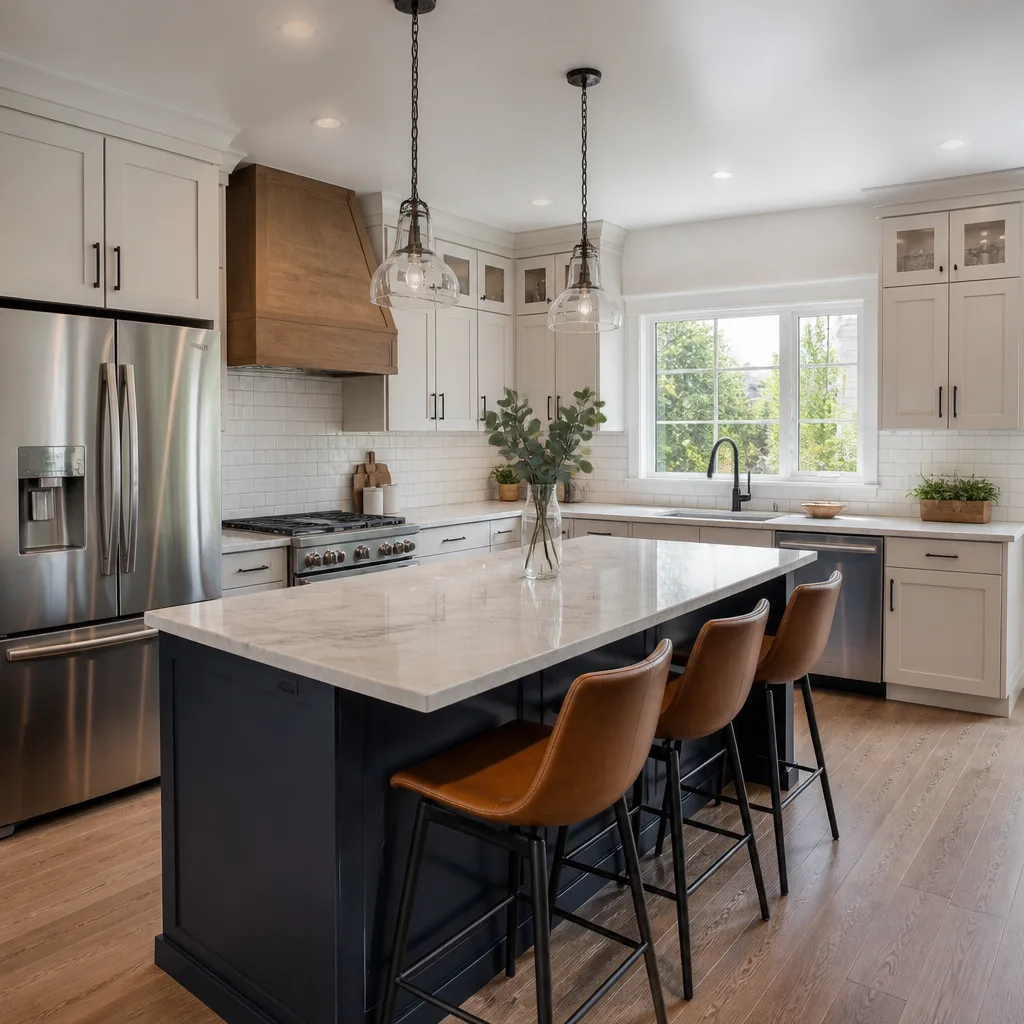
 Kitchen remodeling
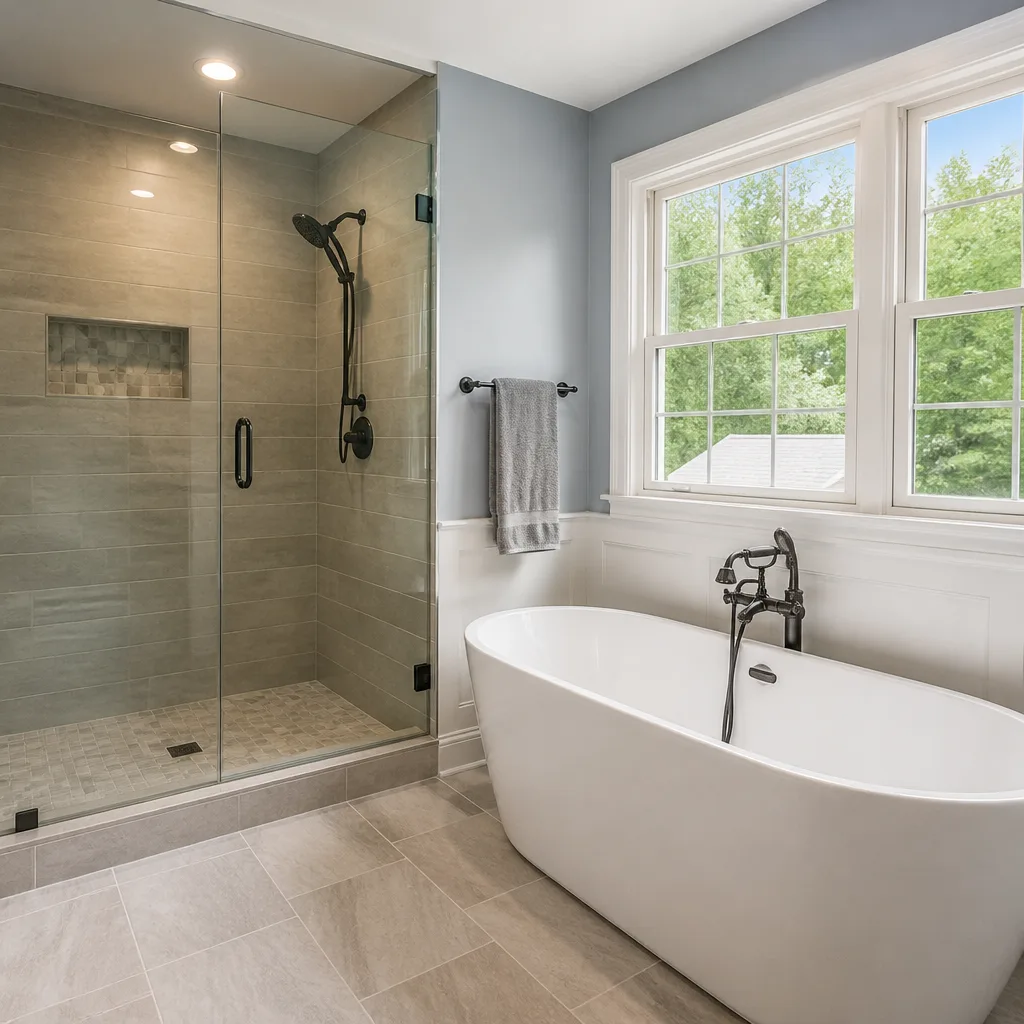 Bathroom remodeling
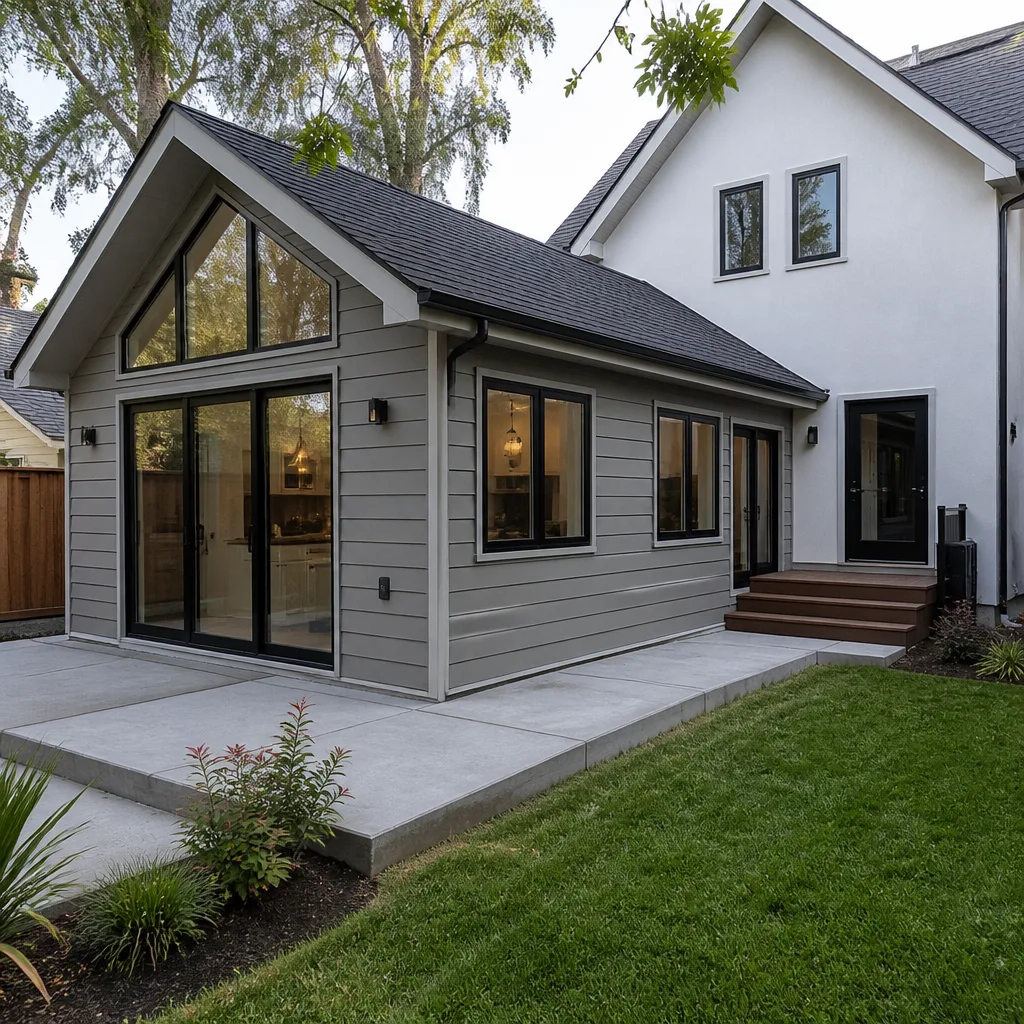 Home additions & ADU
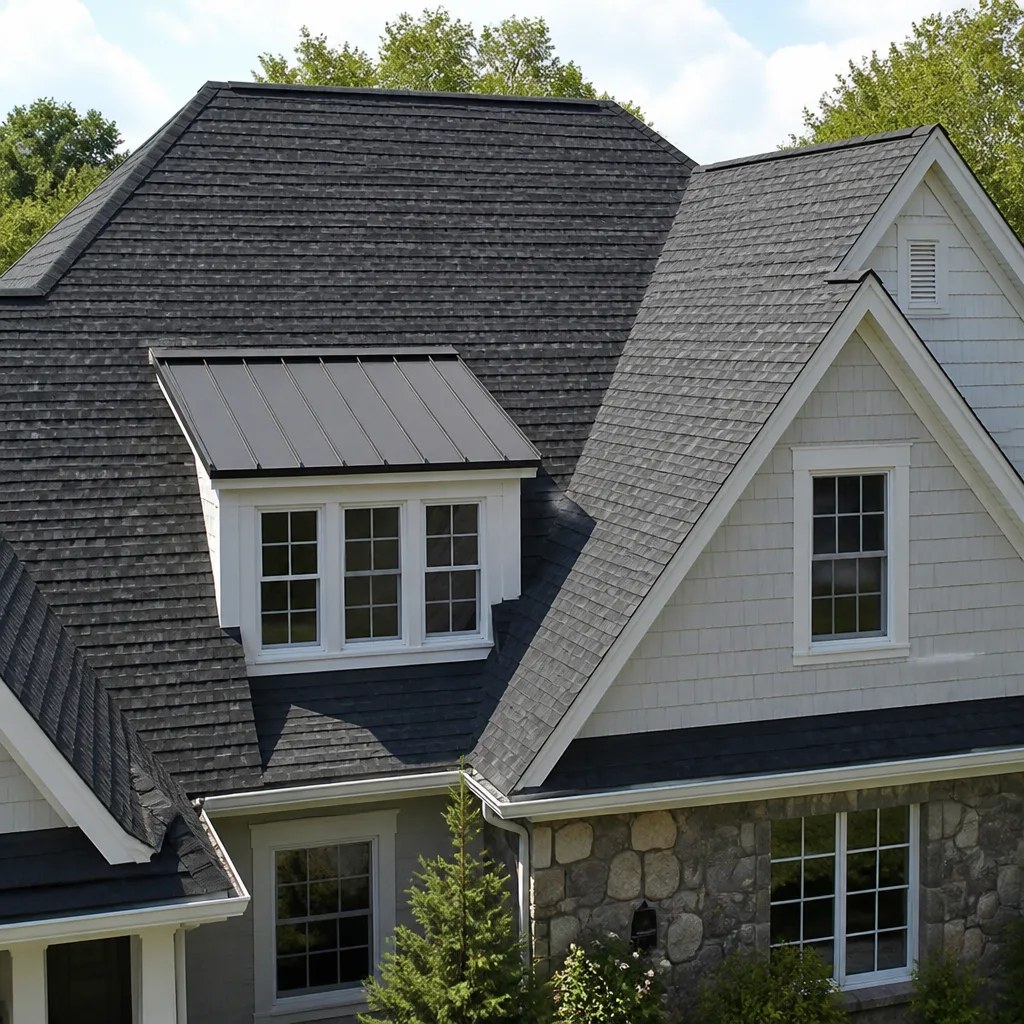 Roofing
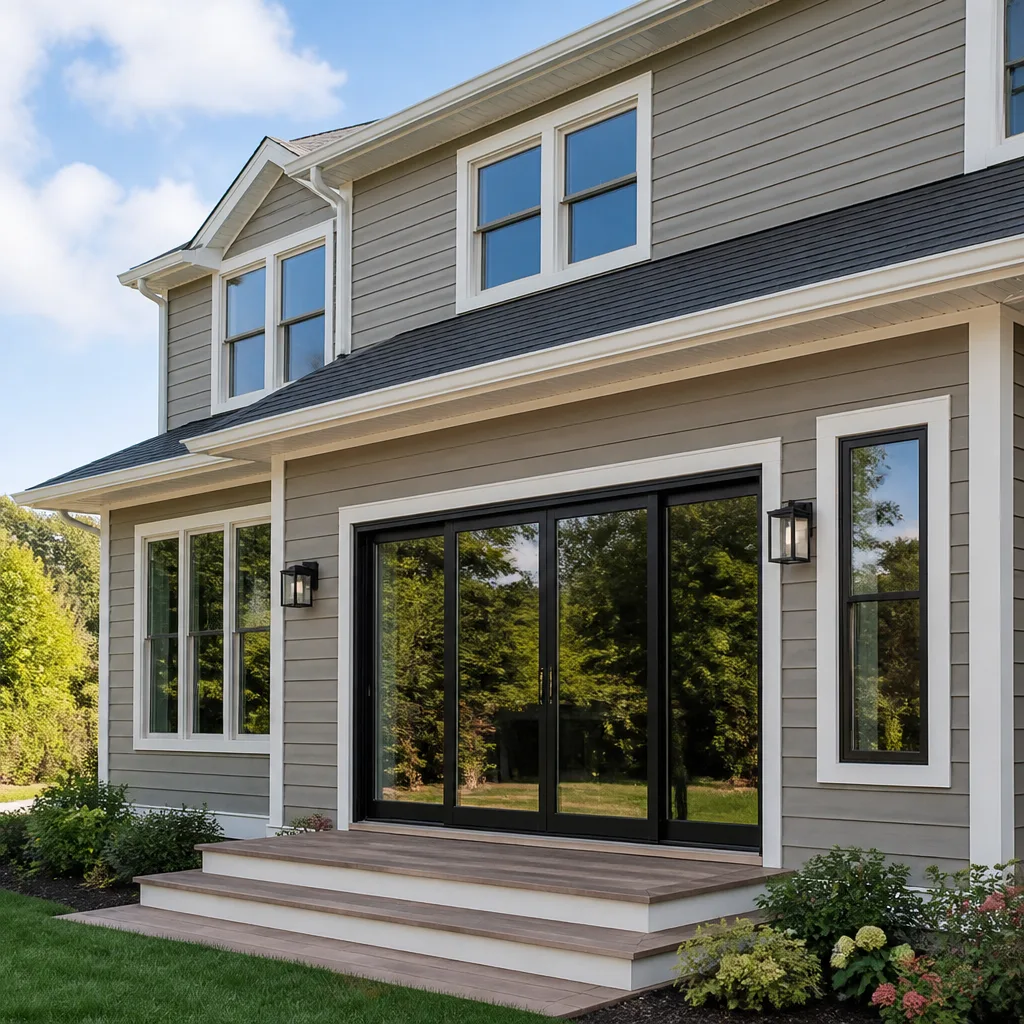 Windows & doors
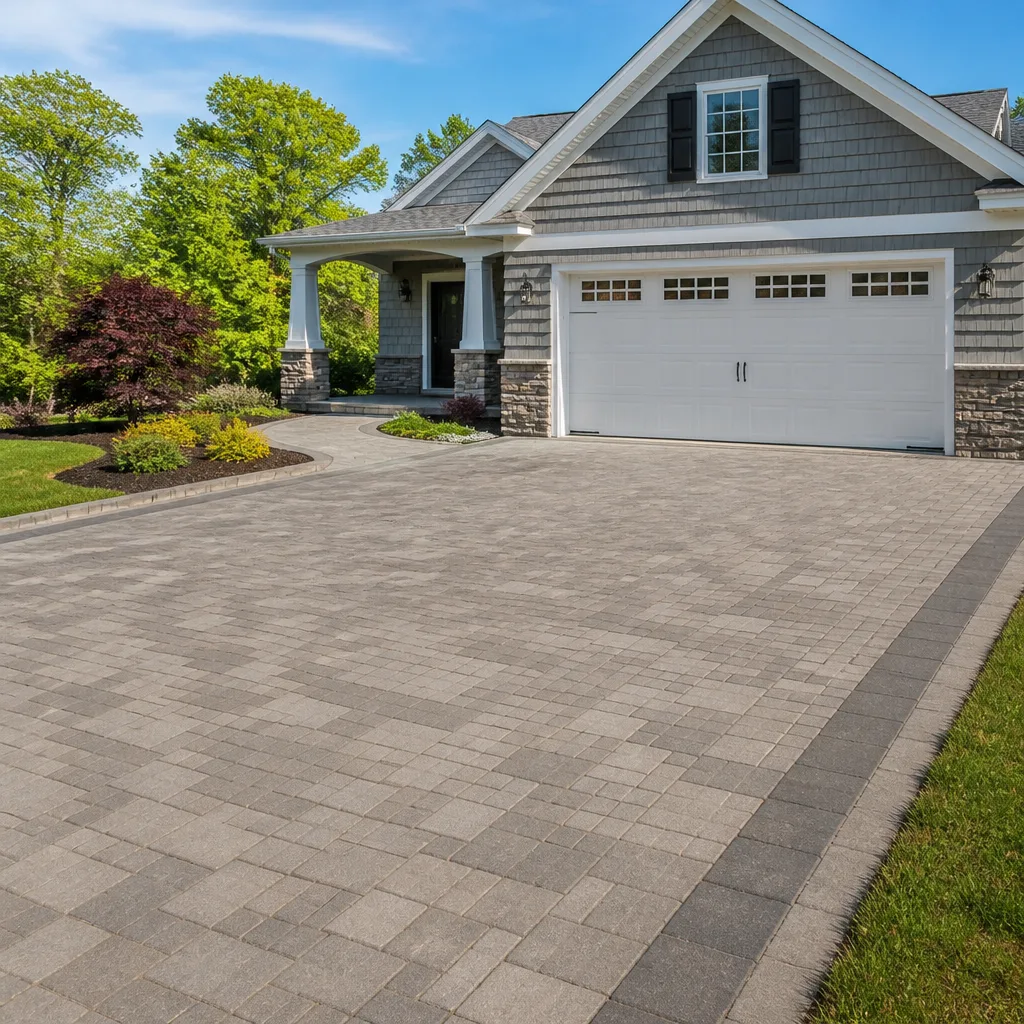 Driveway & pavers
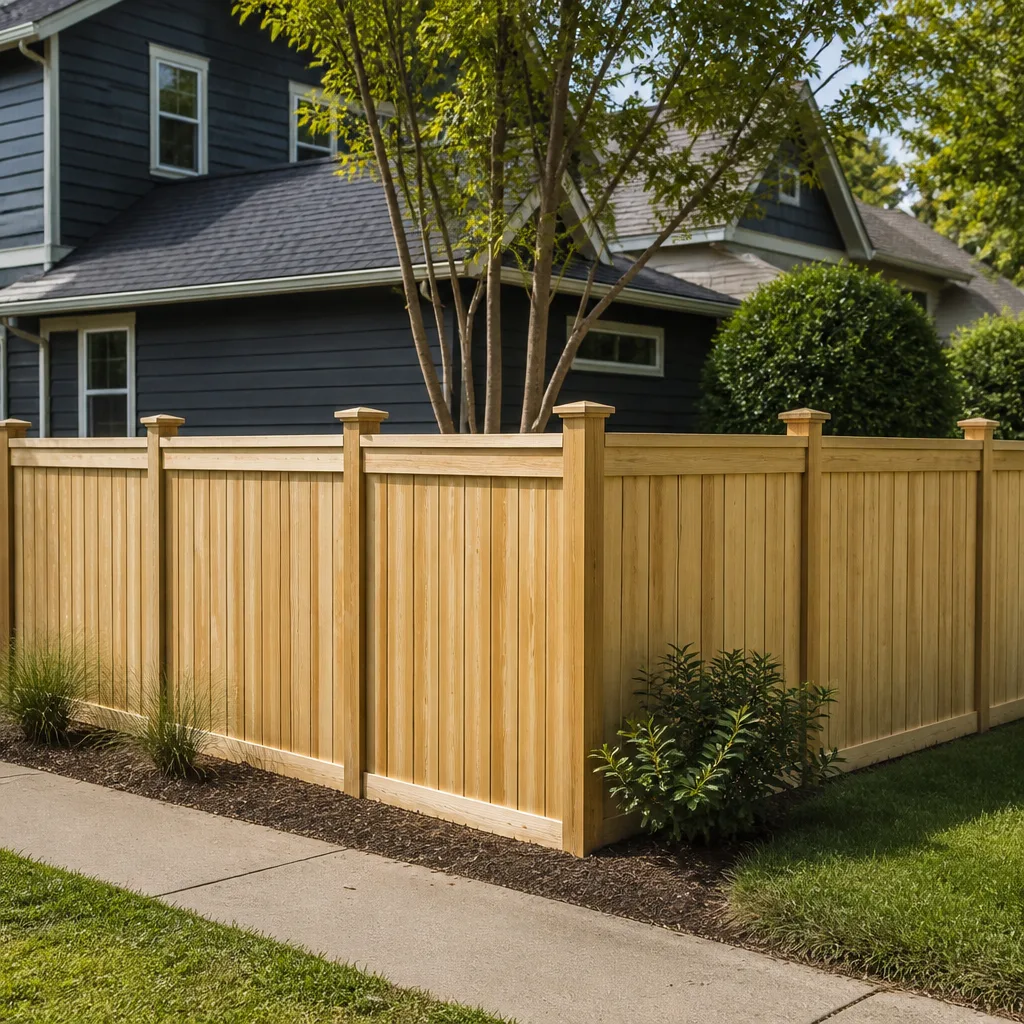 Fence
Free written scope consultation - allowances, timeline, and change-order rules on paper before a single trade is scheduled
Remodeling Company in Chinatown, CA
Home renovation in Chinatown means working inside one of San Francisco’s oldest, most regulated building stocks. We’re Seaside Contractors, and we’ve served Chinatown since 2013. Most of what we do here is infill and interior renovation inside early-20th-century brick and wood-frame shophouses, where a kitchen remodel or full home renovation has to account for unreinforced masonry, soft-story framing, and the Chinatown Historic District review process that touches nearly every visible exterior change. If you’re planning work in the 94133 ZIP code, call (833) 589-8103 and we’ll walk you through what the building department will actually require.
Why Chinatown Homes Are Different
Chinatown’s housing stock predates most modern building codes. The dominant buildings are 2-to-4-story brick and wood-frame shophouses, tong halls, and family association buildings, many with narrow street frontages, recessed balconies, and masonry that was never reinforced. Renovation here almost always surfaces a soft-story retrofit requirement once the permit is pulled. That’s not a surprise to us. We sequence the structural work before the finish work so your project doesn’t stall at plan check.
The fog-and-wind pattern off the bay drives persistent damp into north-facing masonry and wood façades. Exterior work in Chinatown is more often about moisture intrusion, dry rot, and paint failure than sun or heat damage. That changes which materials make sense. We’ll match the material to the project, not the brochure. Inside, we regularly find wall cavities that haven’t been opened in eighty years, which means the waterproofing and systems work behind the wall is where the real renovation happens. A cosmetic kitchen refresh that ignores that hidden work is a future callback.
On Grant Avenue and the side alleys, a storefront or residential remodel triggers Planning Department historic review once the permit application names the address. We’ve worked through enough of those reviews to know that the sequencing, not the construction, is the hard part in Chinatown. Expect a longer permit runway than a comparable project in the Mission District, and budget for it.
Styles & brands we work with
Our Main Chinatown Services
Chinatown homeowners call us most about two things: full-scope general contracting for structural and systems work, and whole-home or unit remodeling inside buildings that need a preservation-literate crew. Both start with the same question: what does the building allow, and what will the city approve?
General Contractor in Chinatown
Most Chinatown renovation jobs are regulatory projects before they are builds. A general contractor here has to understand historic review, soft-story retrofit triggers, and the sequence of inspections on an occupied multi-story building. We manage the structural scope and the finish scope under one contract, which means you’re not coordinating a structural engineer, a plumber, and a cabinet installer separately. For full-scope work, see our General Contractor in Chinatown page.
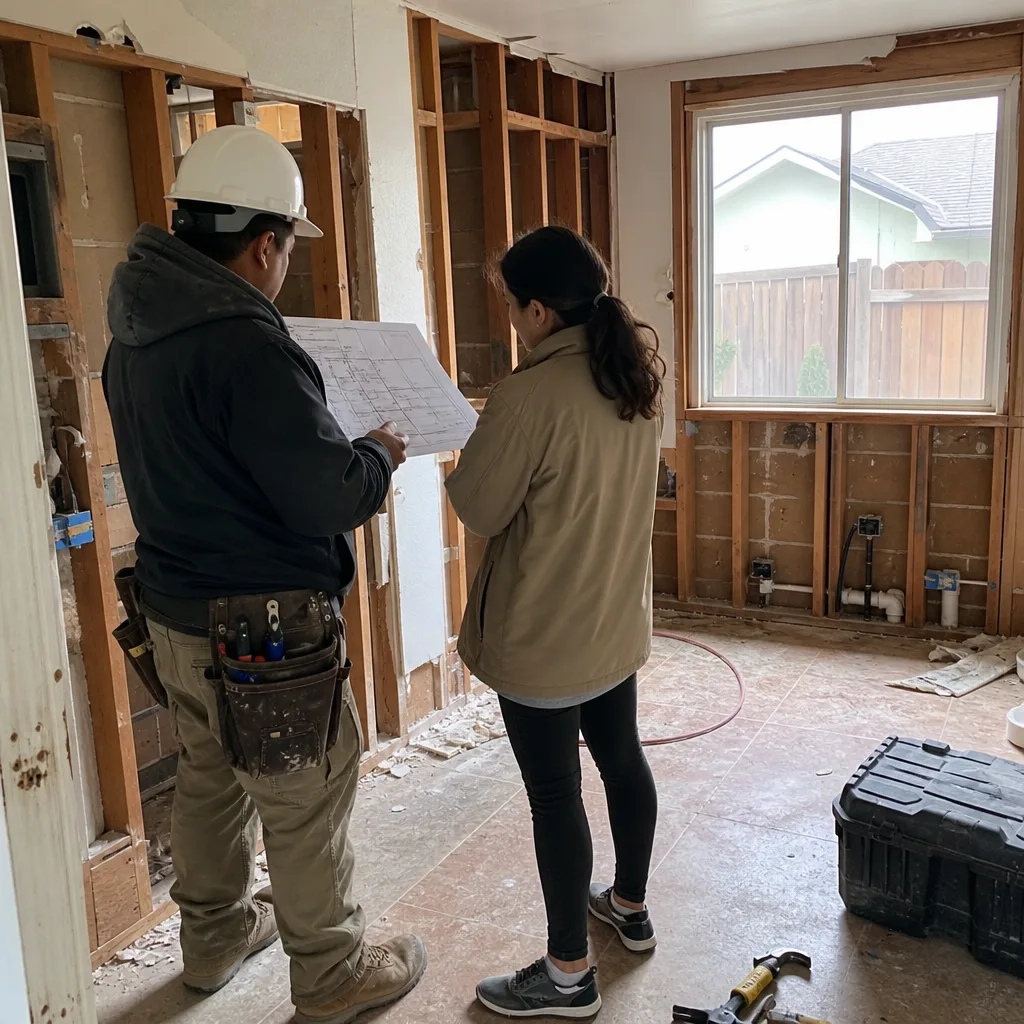
Home Remodeling in Chinatown
Remodeling a Chinatown unit or shophouse means working within existing wall lines, around masonry that cannot move, and behind façades that the Historic District may protect. We handle kitchens, baths, interior layouts, and finish packages with a fixed line-item quote so the scope doesn’t drift once walls are opened. For kitchens, baths, and unit-scale renovations, see our Home Remodeling in Chinatown page.
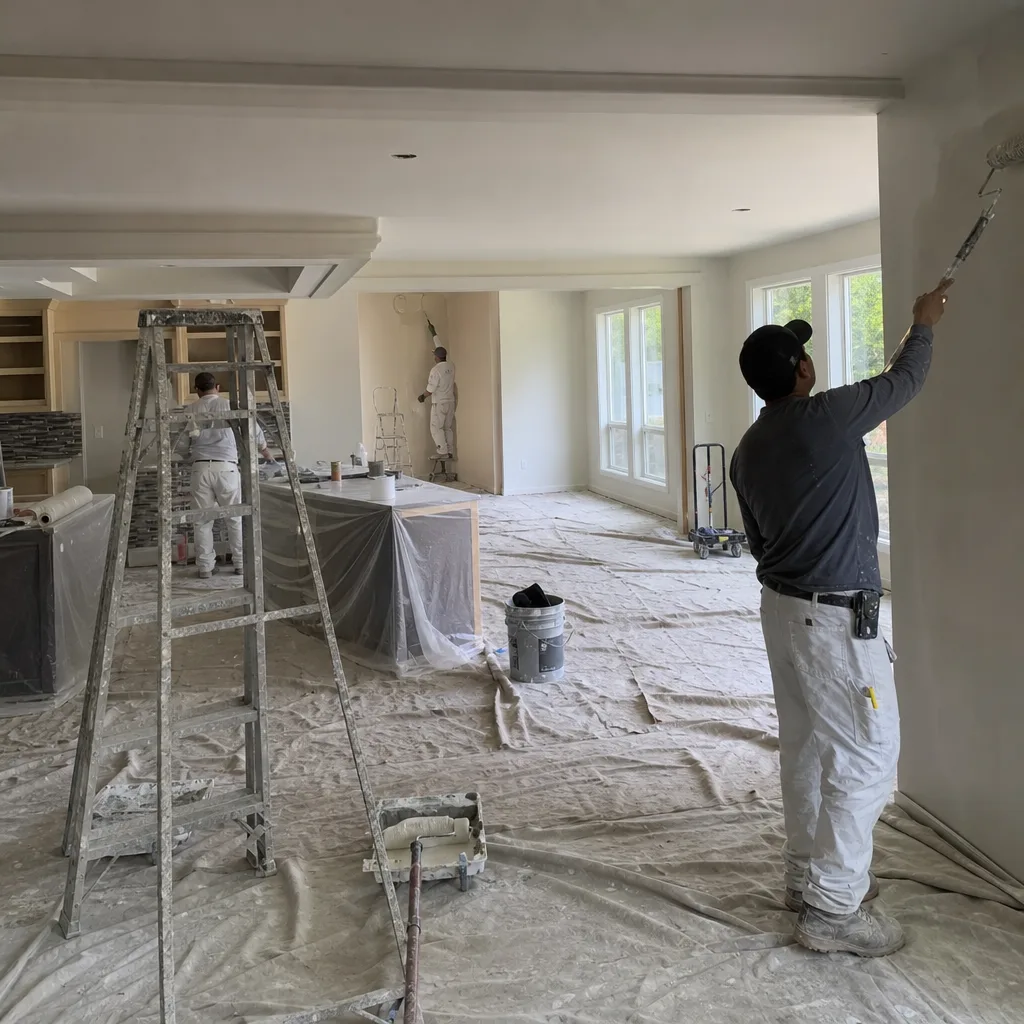
What happens when you call
- 1
A real person answersNo phone trees — you reach a local pro.
- 2
You get an upfront price rangeHonest numbers before anyone is dispatched.
- 3
A background-checked tech heads outLicensed & insured, dispatched right away.
- 4
You approve before work beginsNothing starts until you say go.
Home Renovation in Chinatown
Home renovation in Chinatown is mostly about making early-20th-century buildings livable under current code without disturbing what the Historic District protects. The work we do through our Home Renovation division runs from full interior reconfiguration to selective repair of systems, walls, and floors inside shophouses and family association buildings. In Chinatown, the defining job-sequencing challenge is the permit review: a renovation that pulls back drywall often triggers a soft-story retrofit requirement, and any work visible from Grant Avenue can drag a Planning Department historic review into the schedule. We plan for that from day one. Every renovation we do in the 94133 starts with a building assessment, not a finish selection.
Home Renovation Contractors
Signs you need it
You’re seeing diagonal cracks in plaster over doorways, sagging floors, or moisture staining that keeps returning after painting, all of which point to structural or water issues behind the walls.
What it costs in Chinatown
Full home renovation in Chinatown runs $45,000 – $130,000 depending on how much structural and systems work the building inspection uncovers.
How we do it
We open walls surgically to assess framing, plumbing, and electrical, then sequence the structural and waterproofing work before any finish material goes in.
Home Renovators
Signs you need it
You’ve patched the same window trim, baseboard, or wall section twice, and the underlying issue keeps showing through.
What it costs in Chinatown
Selective renovation work through home renovators typically falls in the $45,000 – $130,000 range when it includes multiple rooms, systems, and wall repairs.
How we do it
We treat the renovation as a system, not a surface patch, which means fixing the moisture path, the framing, and the finish in one sequence.
Home Improvement Contractors
Signs you need it
Your layout works against the apartment’s narrow frontage, and rooms feel dark or disconnected despite repeated furniture rearrangements.
What it costs in Chinatown
Interior home improvement projects inside Chinatown shophouses start around $45,000 and can reach $130,000 when wall moves and systems work are involved.
How we do it
We redesign the interior within existing structural walls where possible, then spec materials that fit the building’s humidity and noise conditions.
Home Renovation Companies
Signs you need it
You need multiple trades coordinated, and you’re getting tired of acting as the general contractor between the plumber, electrician, and cabinet installer.
What it costs in Chinatown
The home renovation company scope for a full Chinatown unit runs $45,000 – $130,000, with kitchens and baths driving most of the budget.
How we do it
We hold the trade schedule, the permit record, and the budget under one contract, so you never chase a sub for a punch list item.
Renovation Contractors
Signs you need it
The building department has flagged soft-story or seismic issues during a permit review, and you need renovation contractors who can fold that work into the project.
What it costs in Chinatown
Renovation contractor work that includes structural upgrades lands in the $45,000 – $130,000 range.
How we do it
We bring the structural scope inside our own contract, then keep the finish work moving once the retrofit inspection clears.
What Home Renovation Costs in Chinatown
| Item | Typical range in Chinatown |
|---|---|
| Home Addition | $45,000 – $130,000 |
| Garage Conversion | $30,000 – $80,000 |
| ADU Construction | $90,000 – $220,000 |
What triggers historic review on a Chinatown home renovation?
Any visible exterior change, including window replacement, signage, paint color on a protected façade, or storefront work, can trigger Planning Department historic review. Interior-only renovation that doesn’t touch the street-facing exterior generally avoids it.
Does a home renovation in Chinatown require a soft-story retrofit?
Often yes. If the building is a wood-frame structure with a soft story, the city will typically require retrofit work as a condition of the renovation permit. We sequence the retrofit before interior finish work begins.
Brands We Service in Chinatown
We’re not exclusive to one cabinet line, fixture brand, or countertop fabricator. In Chinatown, we work with Toto and American Standard on bathroom packages, Schluter for waterproofing systems behind showers and tubs, and Sterling for value-engineered bath fixtures. Parts and samples route through our Bay Area suppliers, which keeps lead times honest. See our brands for the full list.
See the difference
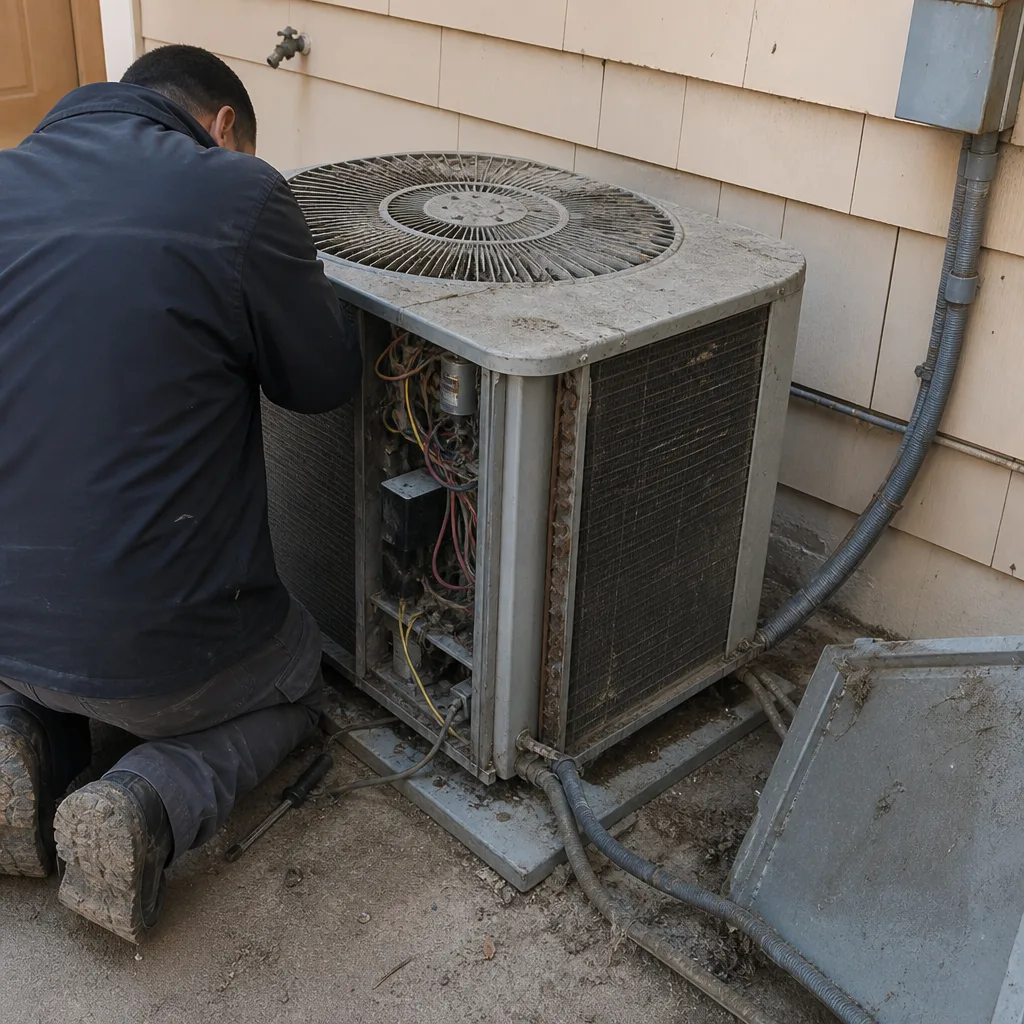 Before
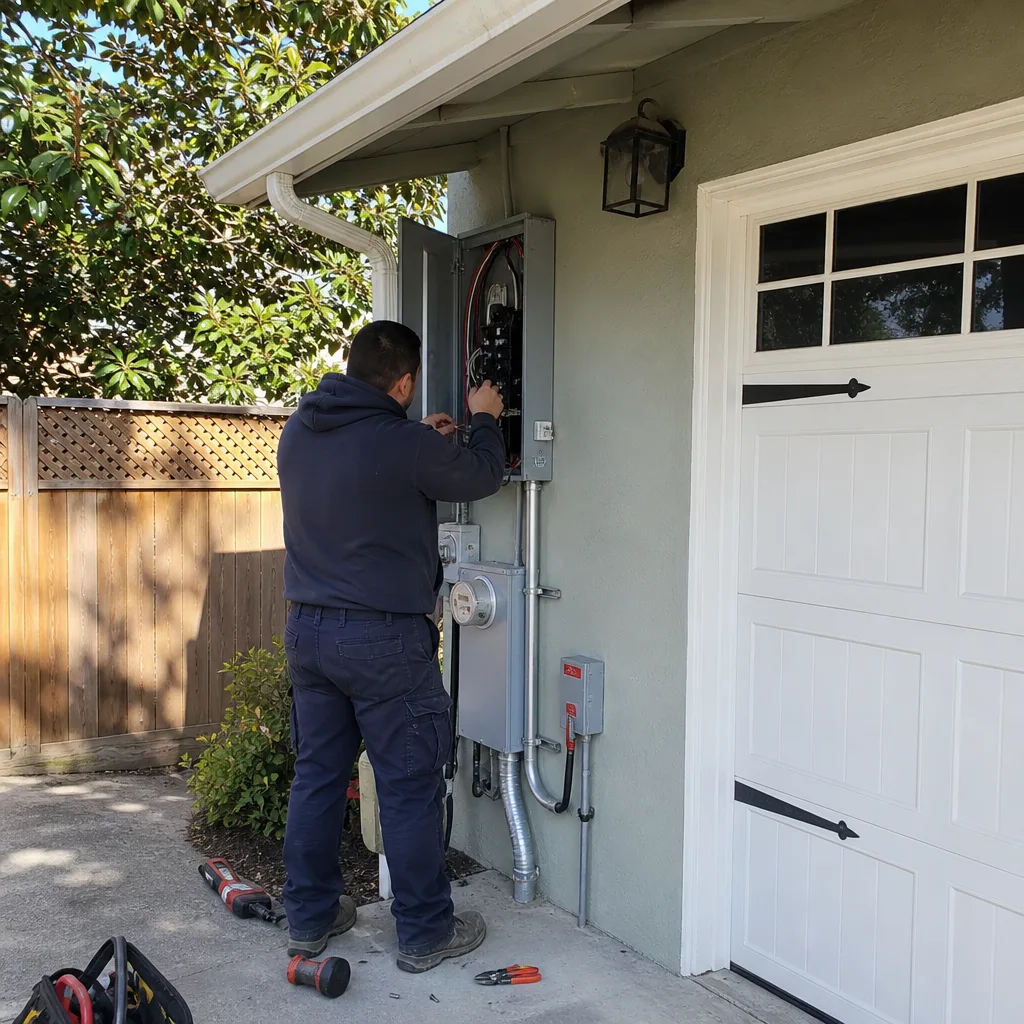 After
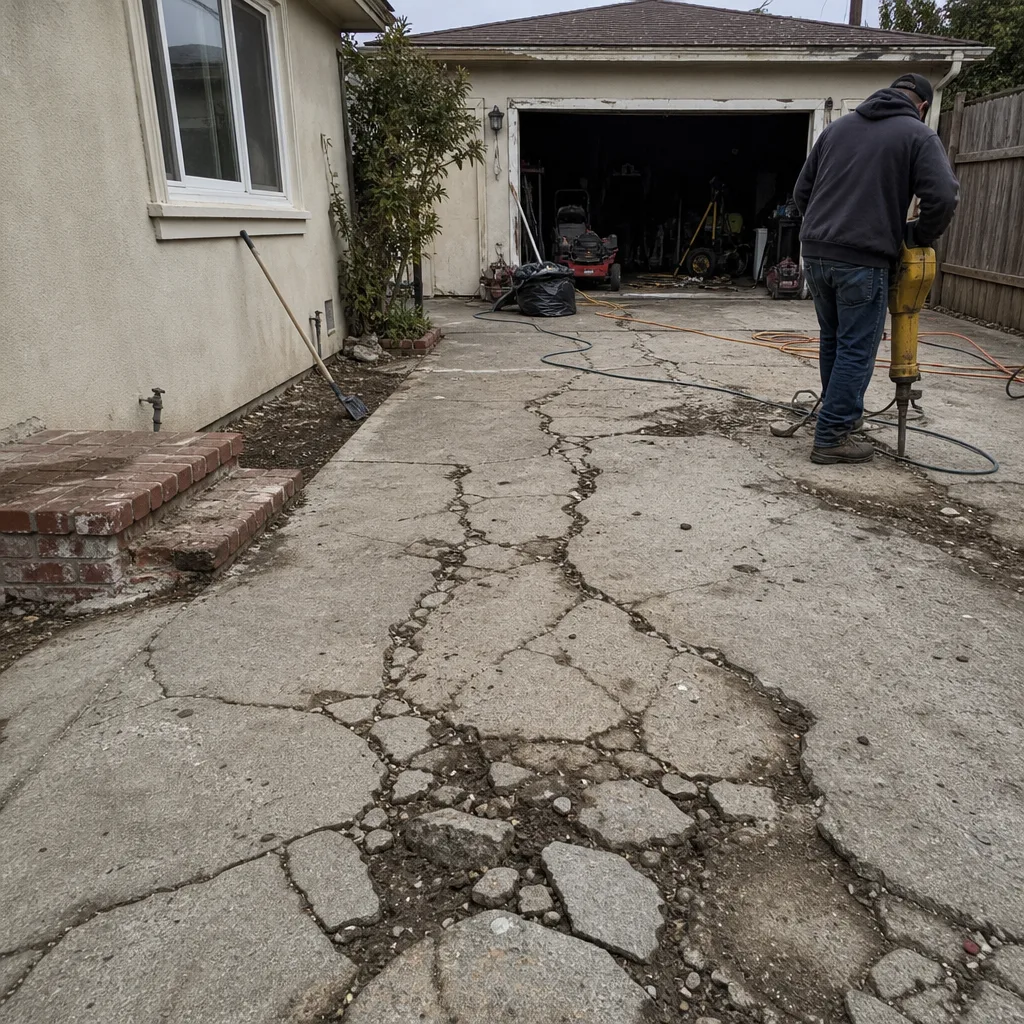 Before
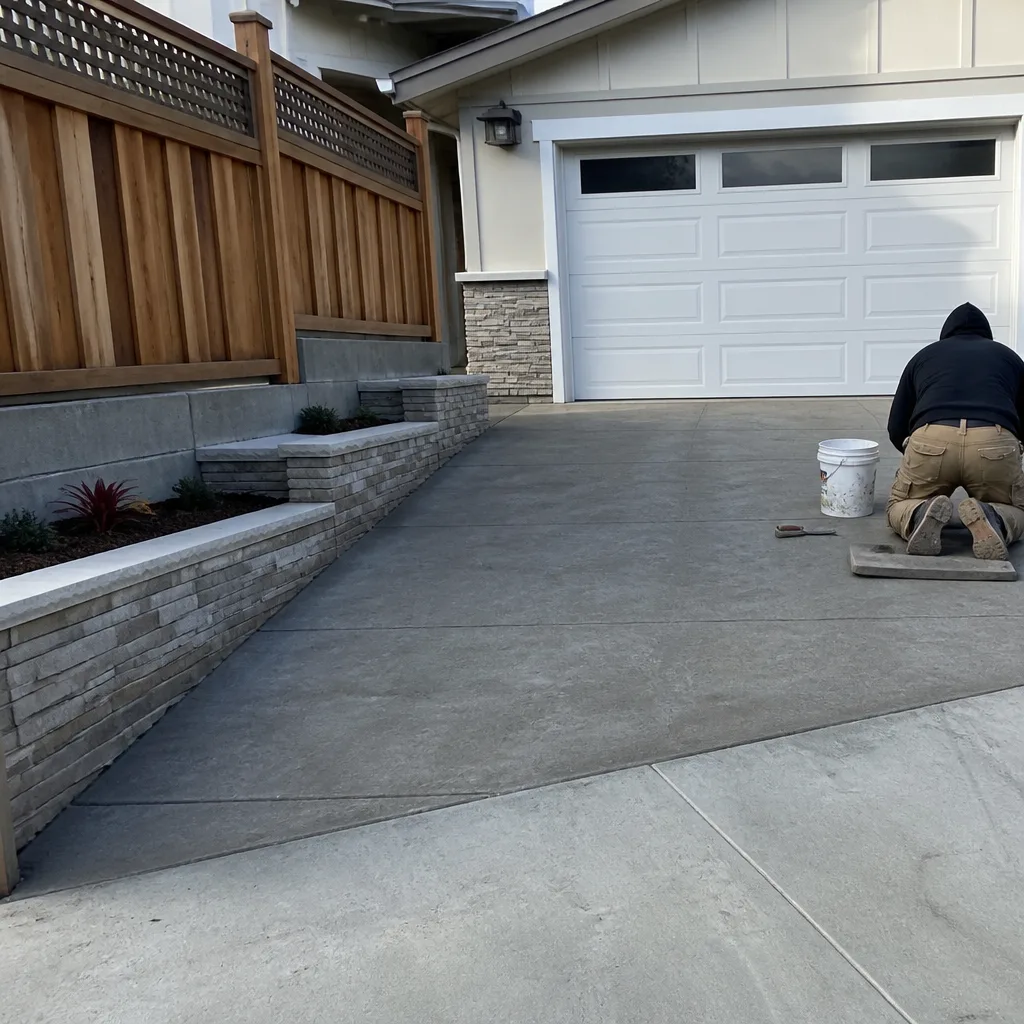 After
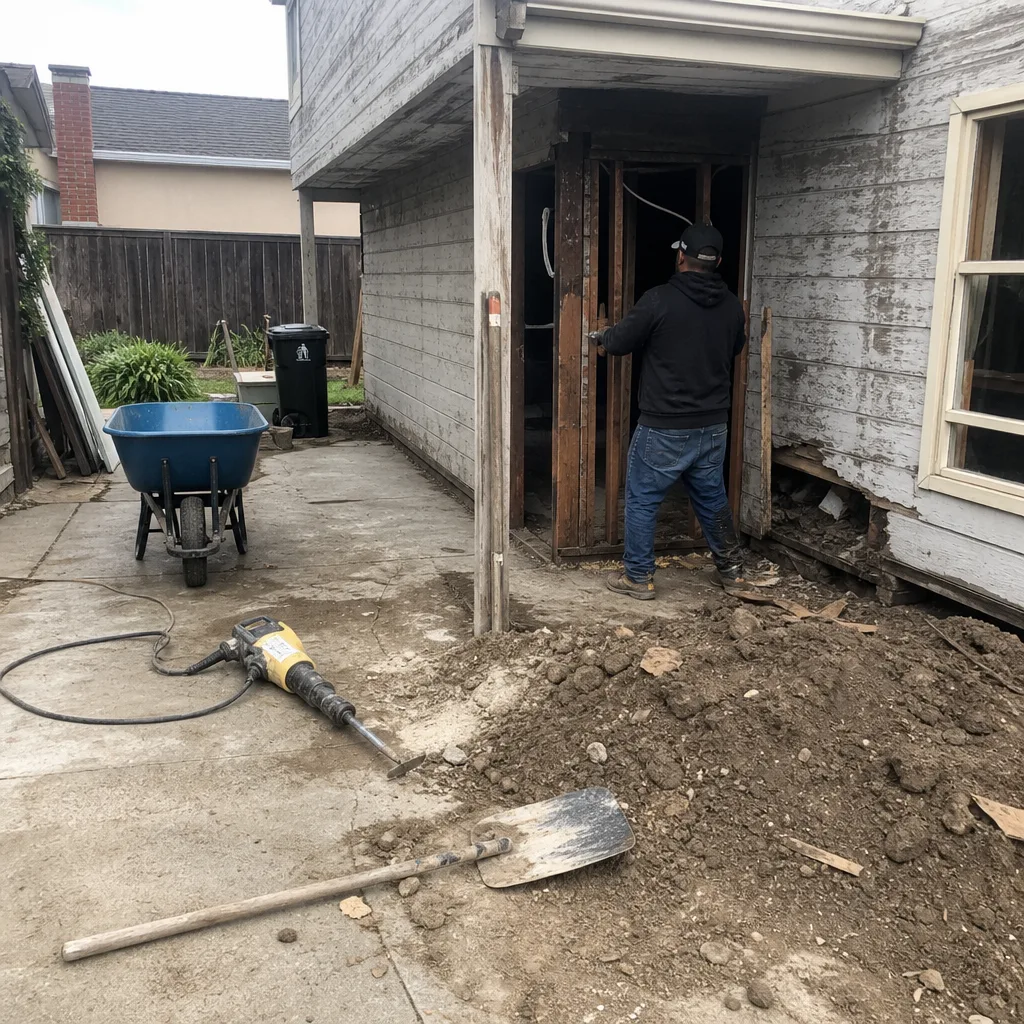 Before
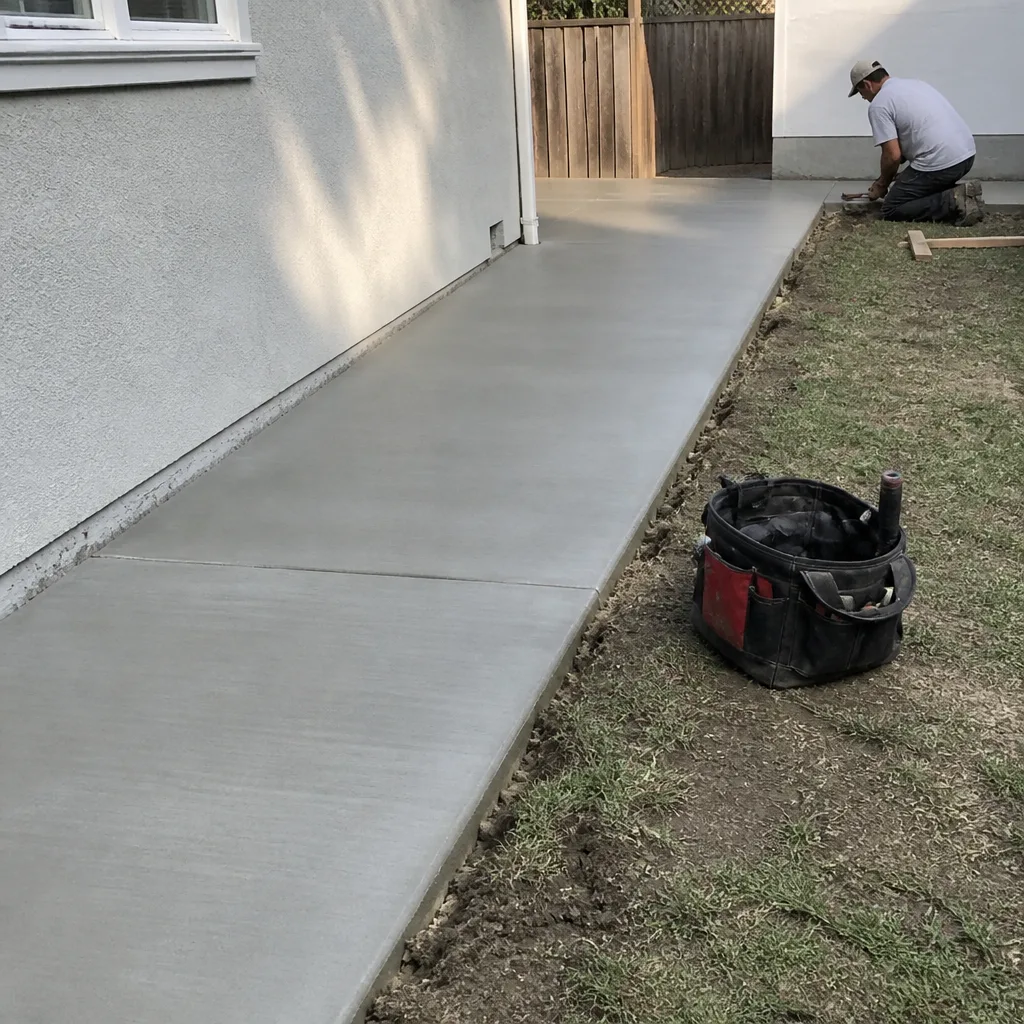 After
Pricing for Remodeling Company in Chinatown, CA
| Service | Typical range in Chinatown |
|---|---|
| Kitchen Remodel | $14,000 – $45,000 |
| Bathroom Remodel | $9,000 – $28,000 |
| Walk-In Shower Installation | $4,500 – $12,000 |
| Tub-to-Shower Conversion | $3,500 – $10,000 |
| Countertop Installation | $2,000 – $6,500 |
| Roof Replacement | $8,000 – $20,000 |
| Window Replacement | $4,500 – $15,000 |
| Paver Patio Installation | $3,500 – $11,000 |
| Vinyl Fence Installation | $3,500 – $9,000 |
| ADU Construction | $90,000 – $220,000 |
Two things push price up in Chinatown more than anywhere else we work. The first is what we find inside walls: dry rot, ungrounded wiring, and plumbing that has outlived its service life. The second is the permit path: historic review and soft-story triggers can add weeks and design fees. We quote fixed, line-item prices before work starts, and we don’t change the number once walls are open unless you add scope.
Neighborhoods We Serve in Chinatown
We work the full 94133 ZIP, from the storefronts on Grant Avenue down to the residential alleys off Stockton and Pacific. Response time for a site visit in Chinatown is typically within a week, faster if you’re mid-emergency or the building department set a hearing deadline.
- Grant Avenue corridor
- Stockton Street retail blocks
- Pacific Avenue residential strips
- Jackson Street shophouse rows
- Waverly Place and side alleys
Service Area – Cities Near Chinatown
We run renovation and remodeling projects throughout central San Francisco and the southern neighborhoods. If you’re just over the hill in San Francisco, CA, down in the Mission District, CA, over in Noe Valley, CA, or on the southern edge in Visitacion Valley, CA, we have crews and permit experience in those areas too.
Serving Chinatown, CA — Our Local Coverage Area
We’re based in the Chinatown area and know this community well. Use the map below to see our service coverage — if you’re nearby, we can almost certainly help.
FAQs About Remodeling Company in Chinatown
Site visits happen within a week. Permit-ready work can start in two to four weeks. If your project triggers historic review or soft-story retrofit requirements, plan for a longer runway because the Planning Department controls that timeline, not us.
Yes. We prepare the permit set, file with the city, and sit in on historic review when the building requires it. For full home renovation in the 94133 ZIP, that sequencing is built into our schedule before the first demolition day.
Yes. We write line-item quotes and do not issue change orders unless you add scope or the building reveals a condition no one could have seen before opening walls. In Chinatown, we’ve opened enough walls to quote the likely unknowns up front.
Call (833) 589-8103 to schedule a free estimate. We’ll walk your building, talk through what Chinatown’s permit process will actually require, and put the number in writing.
What happens when you call
- 1A real person answersNo phone trees — talk to a local construction pro.
- 2You get an upfront price rangeHonest numbers before anyone is dispatched. No surprises.
- 3We come out and measureLicensed & insured, at a time that suits you — the visit and the quote are both free.
- 4You get the price in writingLine-itemed, yours to keep, and nothing starts until you say go.
What Chinatown Customers Say
"He was upfront about a soil issue that added cost early rather than absorbing it and surprising us at the end."
— Allen Kim"Excellent build. Costs came in about six percent over the original contract, driven mostly by material price movement during the build, which he documented each time."
— Grace Chen"Quality construction and a professional operation. Communication was strongest at the site meetings, and slower by email in between."
— Anika Mehta