


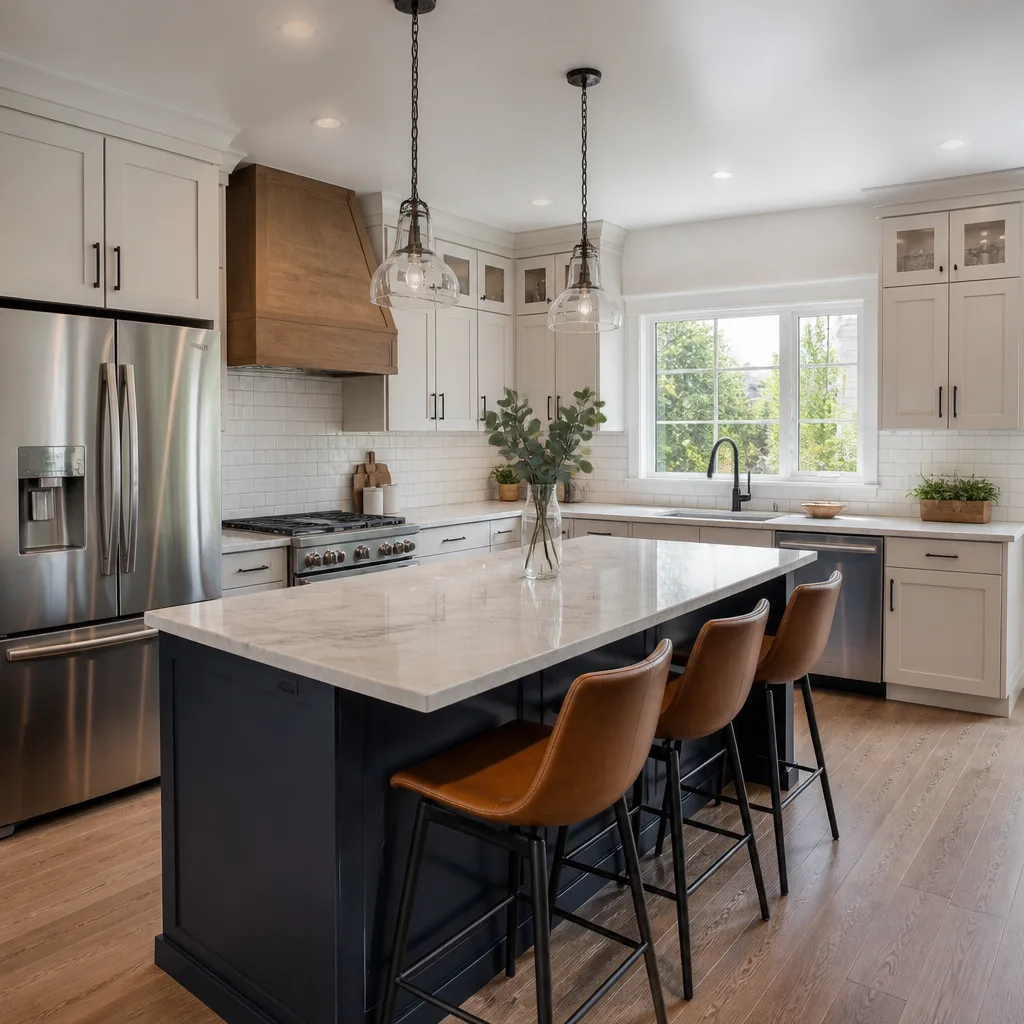
 Kitchen remodeling
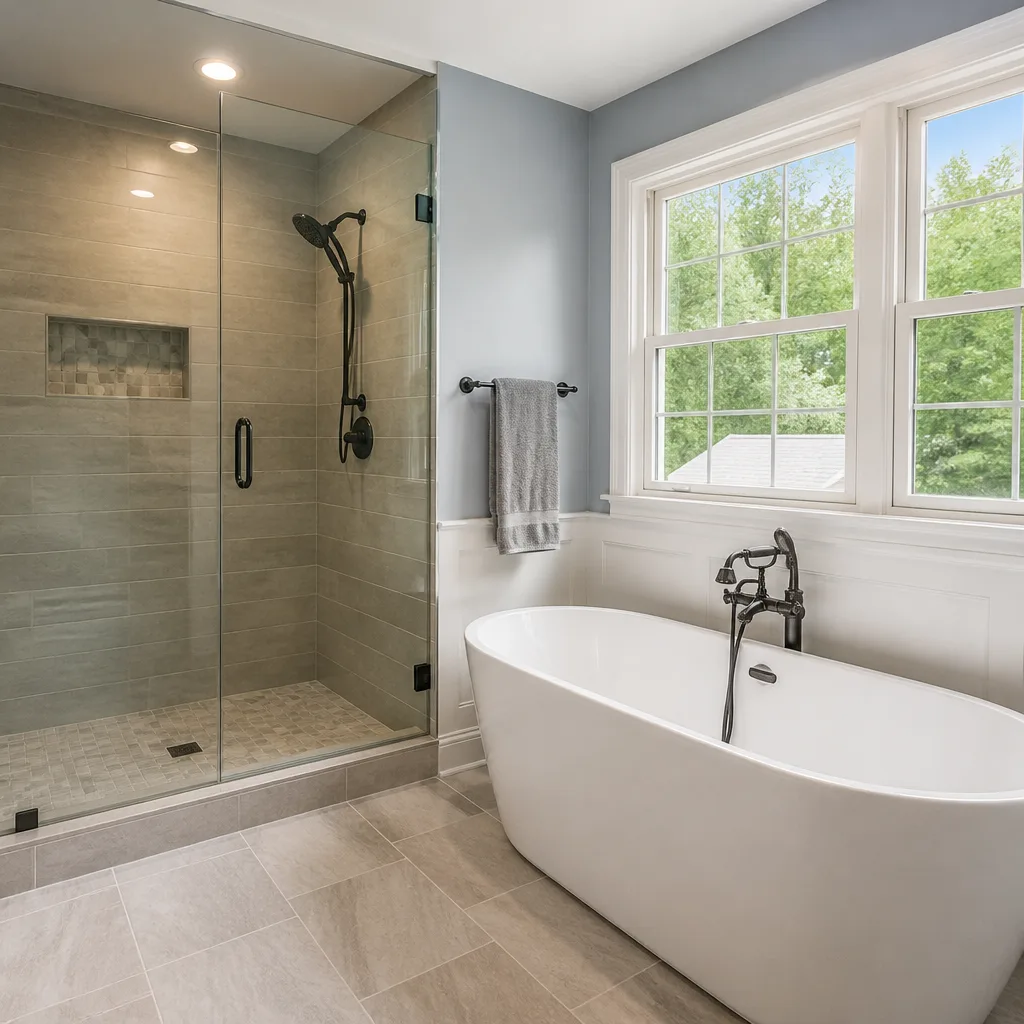 Bathroom remodeling
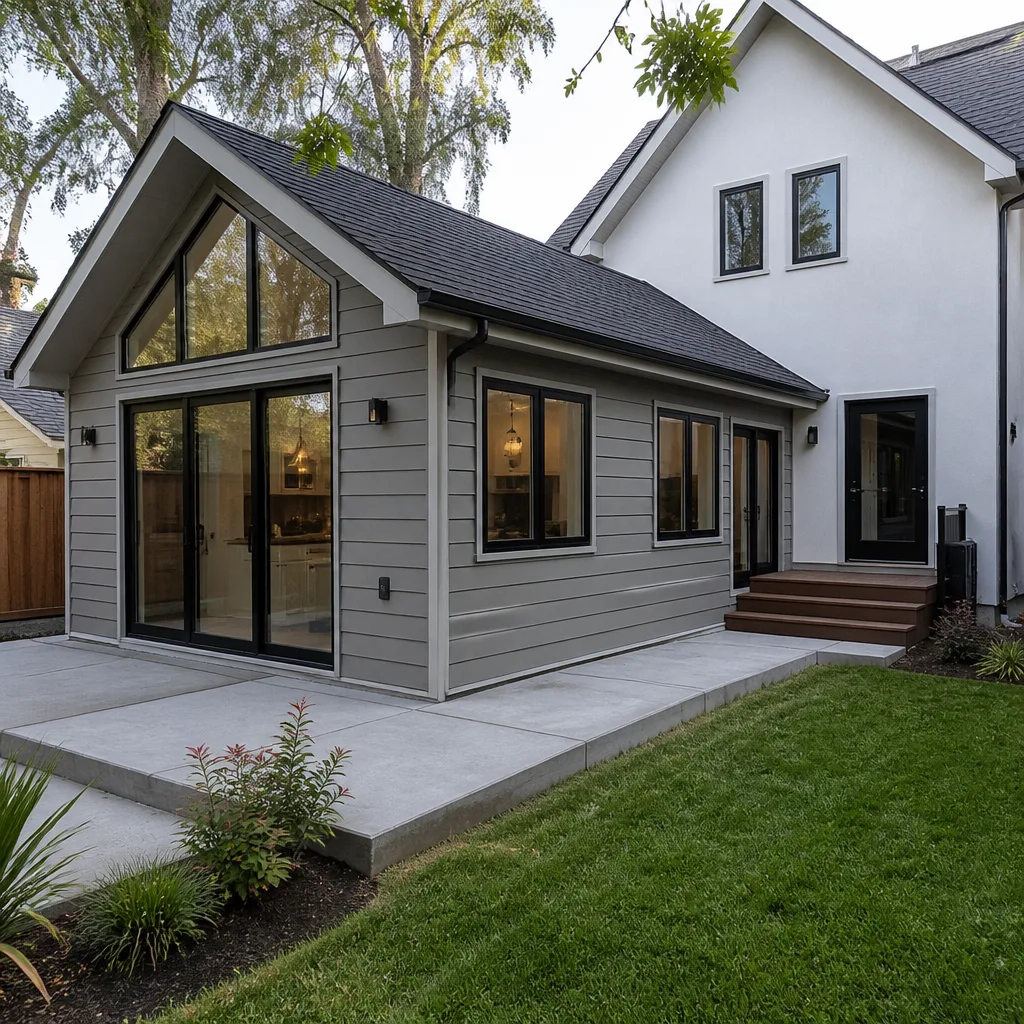 Home additions & ADU
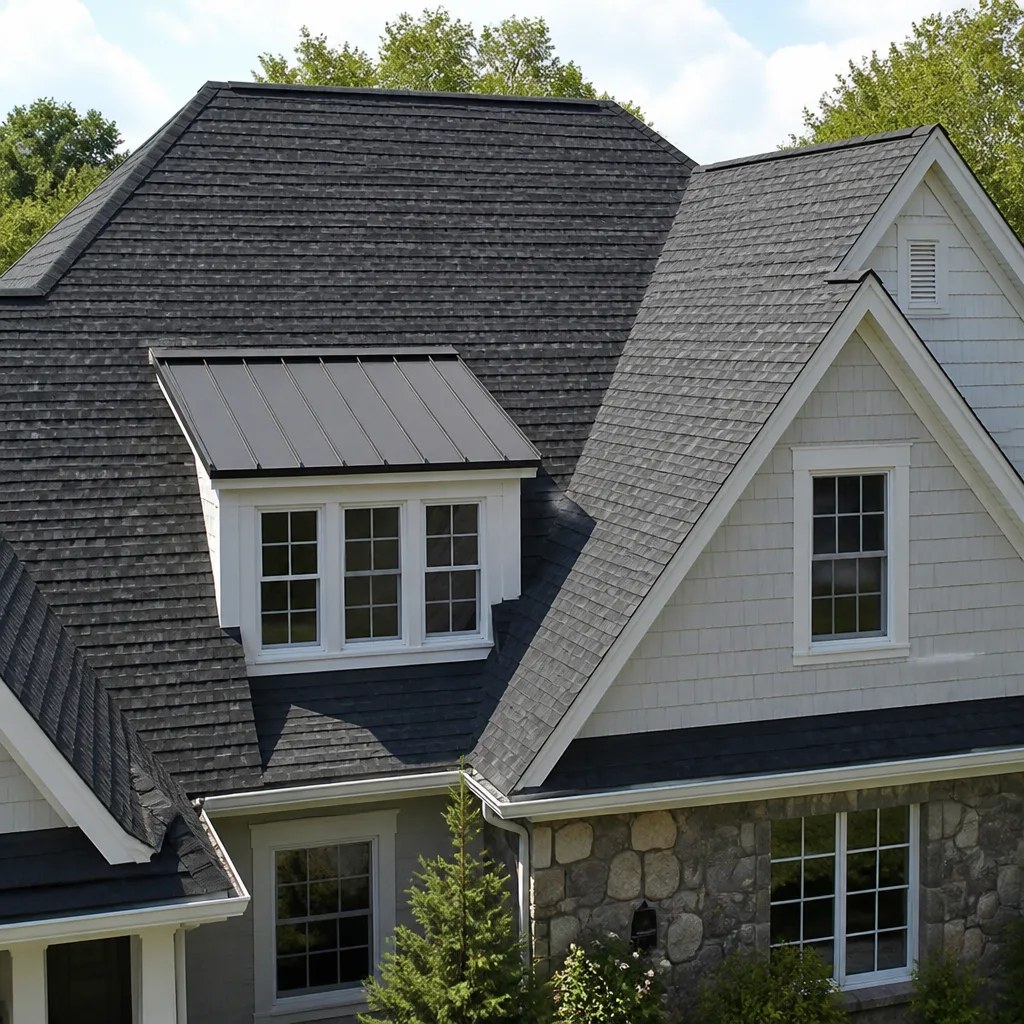 Roofing
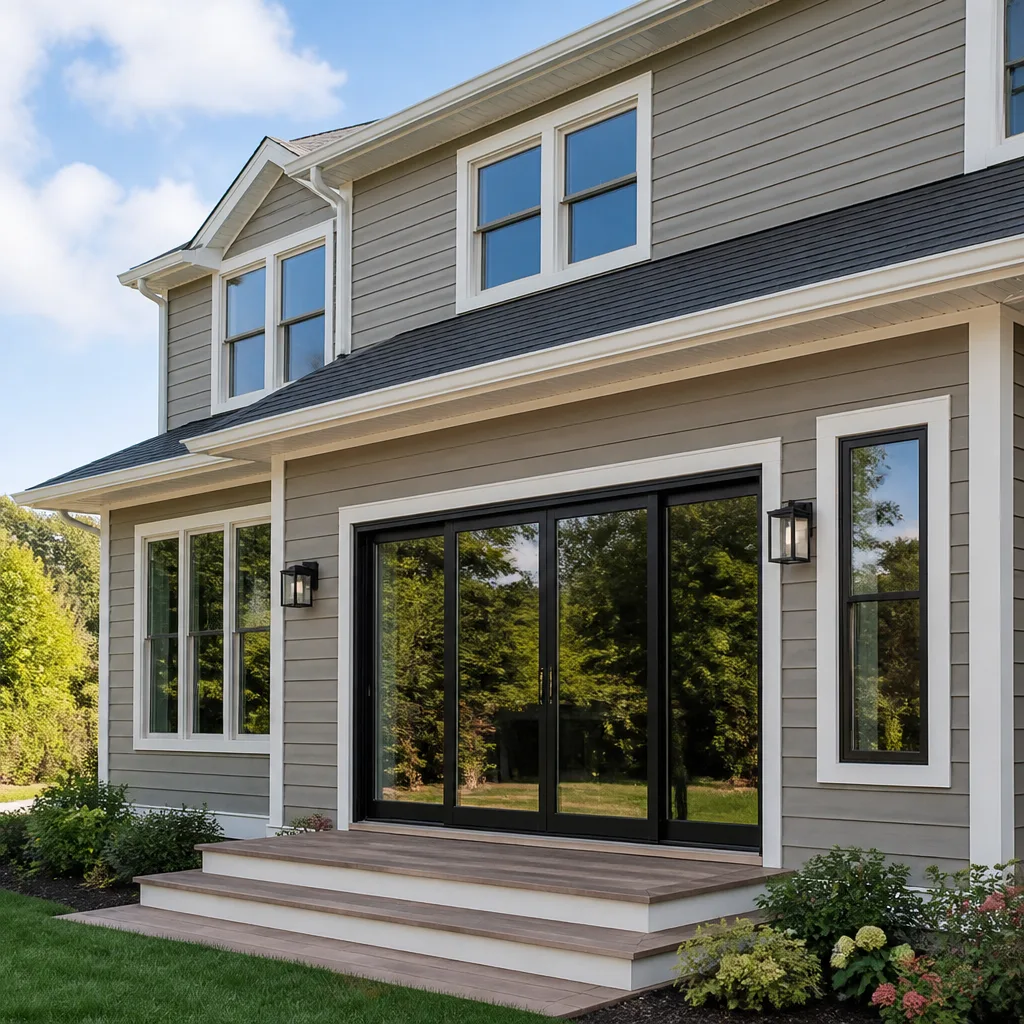 Windows & doors
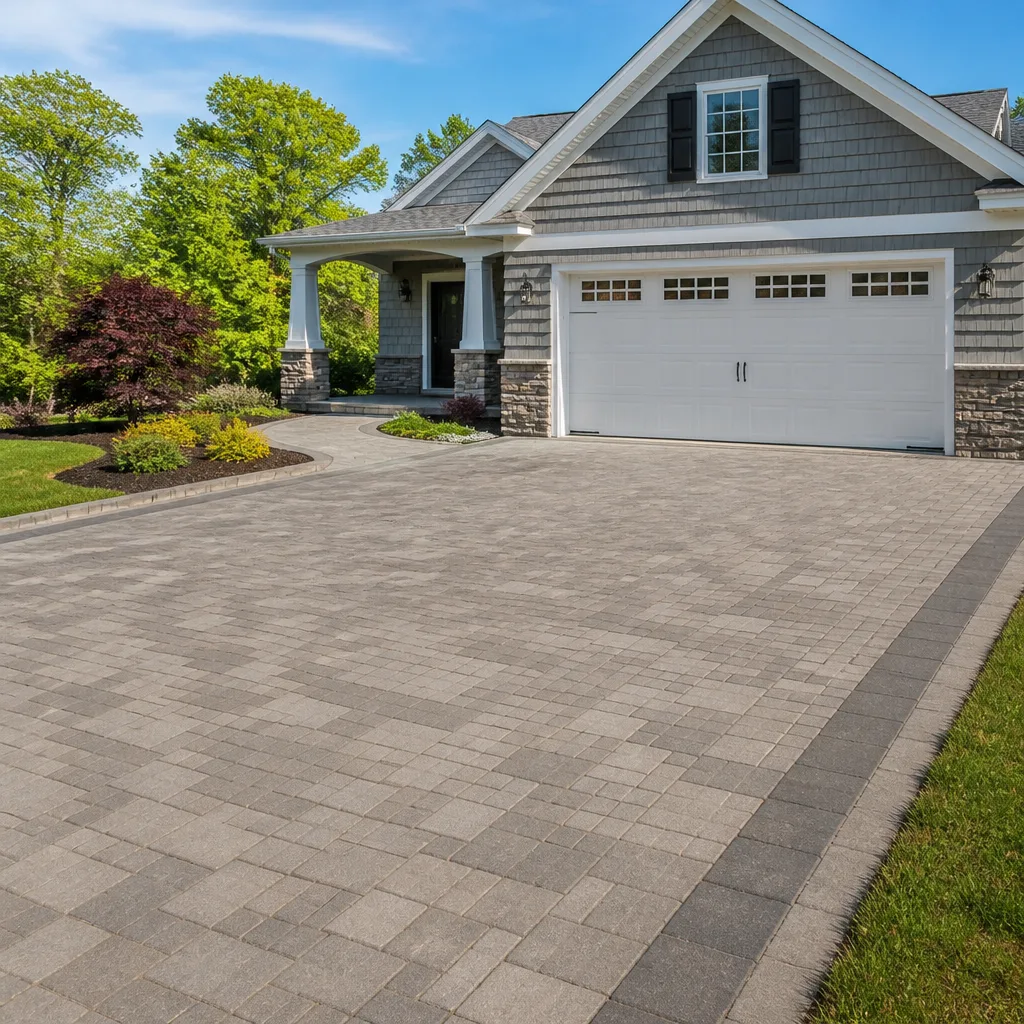 Driveway & pavers
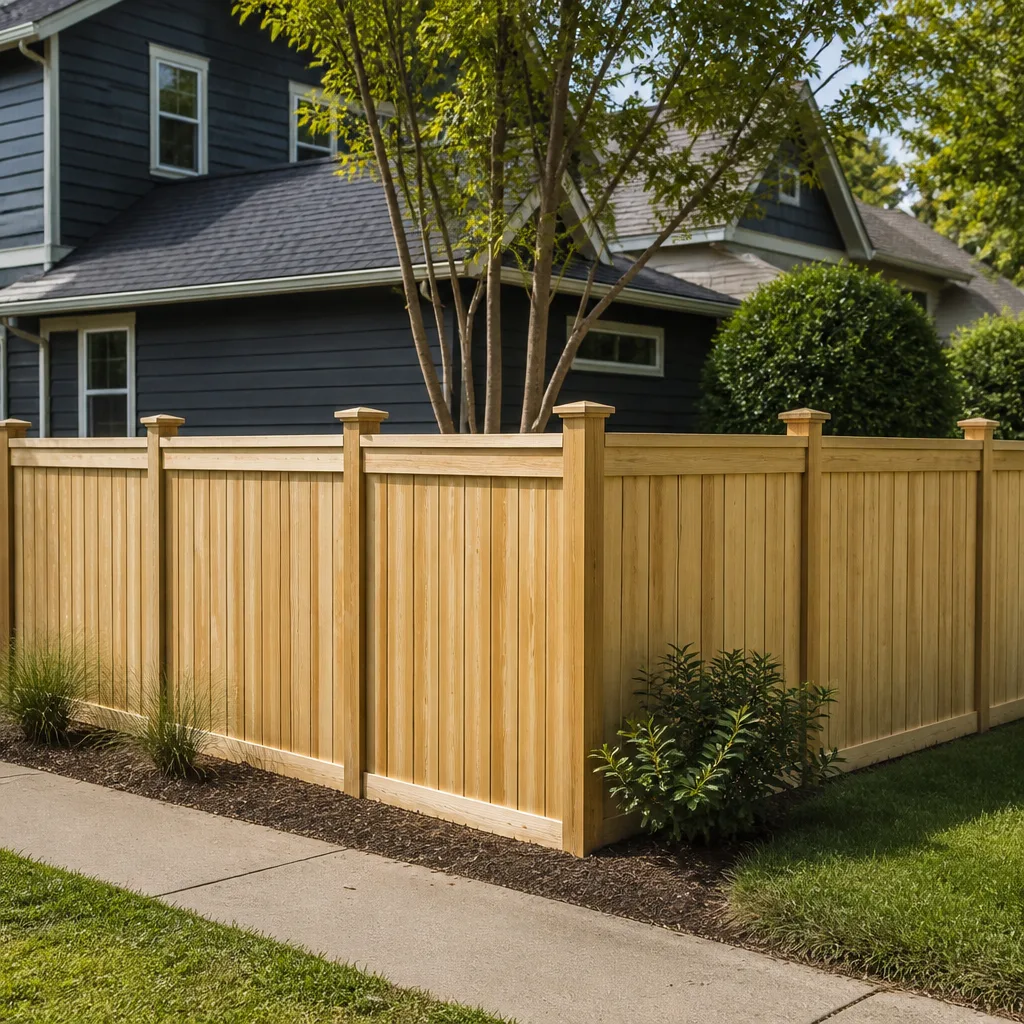 Fence
Free written scope consultation - allowances, timeline, and change-order rules on paper before a single trade is scheduled
Fast, Reliable General Contractor Across San Francisco
San Francisco remodeling demands more than a crew that shows up on time. The salt air, the fog, the pre-1906 wood framing, the hillside lots, the seismic retrofit mandates, and the Department of Building Inspection’s permitting process all shape what actually works here. We’re Seaside Contractors, and our General Contractor team has managed full-scope remodels and additions across the city long enough to know that a spec written for the East Bay will fail prematurely on a Noe Valley hillside. Whether you’re gutting a Marina flat, adding an ADU in Visitacion Valley, or retiling a Victorian bathroom near Chinatown, call (833) 589-8103 to get a straight answer on scope, materials, and cost.
Why Seaside Contractors Is San Francisco’s Preferred General Contractor Company
Glen Sorrento built Seaside Contractors around a simple observation: San Francisco homeowners don’t need three contractors pointing at each other when a remodel hits a snag. They need one accountable team that can spec a Schluter waterproofing system behind the shower tile and a GAF roof overhead in the same conversation. That’s what we do.
Our clients in San Francisco keep our calendar full by referral, not by ad spend. The reason is straightforward: we specify materials for the city’s actual conditions, not for a catalog photo. A kitchen remodel in the Mission District needs different cabinet hardware and window flashing than one in the Outer Sunset. We know the difference, and we can explain it in plain English.
When you call, you’ll talk to someone who has worked in this city. We know that parking a materials truck on a 25-degree hill in Bernal Heights requires real logistics. We know which permit counter lines move slower. We know that unpermitted in-law units are common in older buildings and can stall an otherwise simple remodel. That local knowledge keeps your project moving.
Styles & brands we work with
Construction Company in San Francisco
Construction Company work in San Francisco almost always means working inside an old building on a tight lot, or adding square footage to a structure that was never designed for it. A typical whole-home remodel or addition in San Francisco runs $53,100 to $153,400 depending on structural scope, seismic work, and finish level. The permitting piece matters here more than almost anywhere in California: a soft-story retrofit, a hillside foundation step, or a pre-1906 facade alteration can add months to the timeline and thousands to the estimate if you don’t plan for it from day one.
Seismic and Structural Scope
In San Francisco, a room addition or garage conversion often triggers a mandatory seismic evaluation. The DBI will look at the existing foundation, any soft-story condition, and whether the new work increases lateral load. We plan for this in the initial estimate, not as a change order later.
Hillside Foundation Work
On the steep grades of Bernal Heights and Potrero Hill, foundations are frequently stepped into the slope. Rear decks perch over garages, retaining walls hold back decades of soil movement, and every excavation decision has a drainage consequence. Get this wrong and the first real winter rain will show you exactly where you failed.
Remodeling Contractor in San Francisco
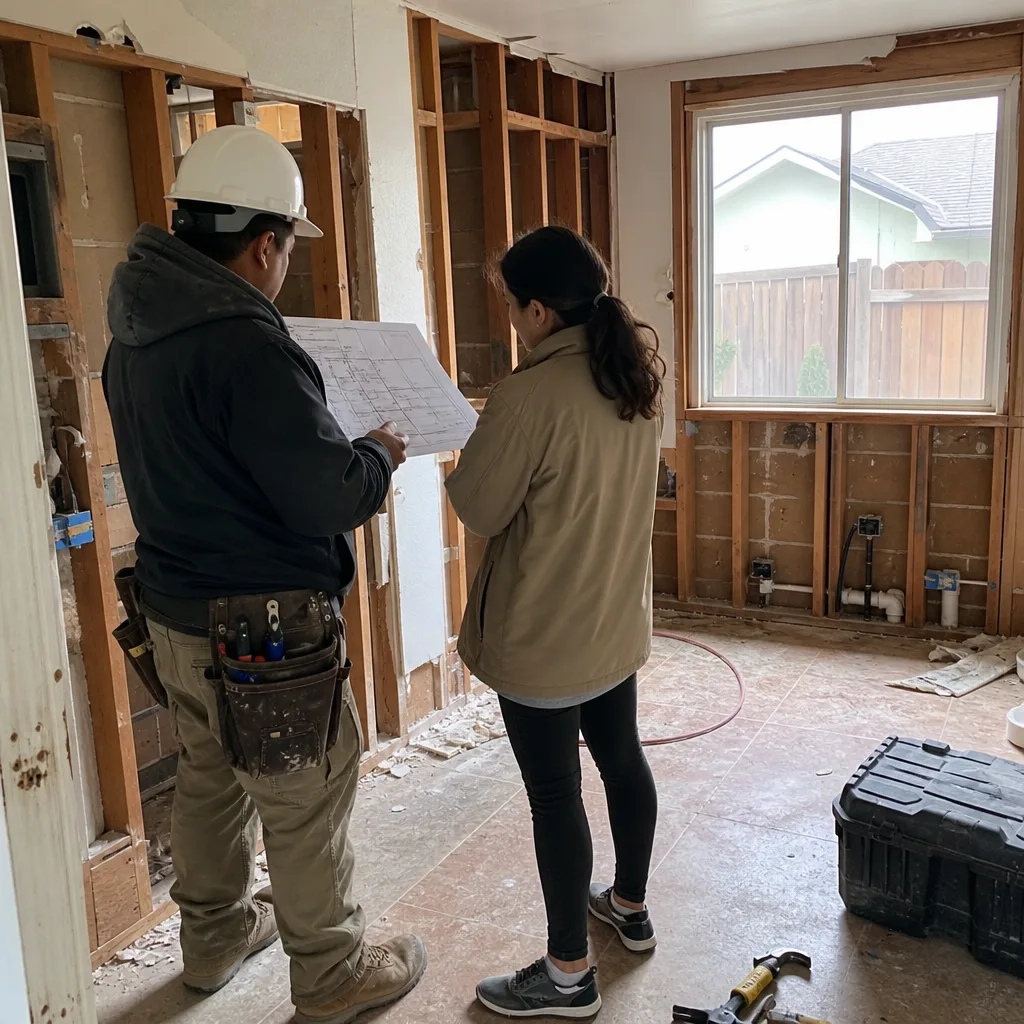
Remodeling Contractor work in San Francisco is rarely a simple swap of finishes. Most of the housing stock is Victorian and Edwardian wood-frame construction, much of it built before 1906 and sitting on shared property lines. A bathroom remodel in a 1908 rowhouse can uncover four generations of wiring, three layers of flooring, and a vent stack that was improvised in the 1970s. Kitchen remodels run $16,520 to $53,100, and bathrooms run $10,620 to $33,040. The ranges are wide because the hidden conditions vary wildly from block to block.
Hidden Conditions in Old Wood Framing
Fog-belt moisture means rot hides behind shower walls, under window sills, and inside floor systems long before it shows up as a stain on the ceiling. We inspect the framing, not just the finish surfaces, before we finalize a remodel estimate.
Preservation-Sensitive Interiors
Many San Francisco buildings have historic-resource status or rent-controlled units that limit what can be altered. We’ve navigated enough DBI historic-preservation reviews to tell you early whether your building is flagged, and what that means for your timeline.
Trusted Brands We Service in San Francisco
We stock and specify hardware that survives San Francisco’s marine air, not the inland catalog defaults. For bathroom and kitchen remodels we routinely work with Toto and American Standard fixtures paired with Schluter waterproofing membranes behind the tile. Sterling tubs and shower bases show up often when clients want a value-engineered option that still holds up. Because we keep standard San Francisco-spec fasteners, flashings, and sealants on hand or available on short notice, we don’t lose a week waiting for a coastal-rated part to ship from a warehouse in Arizona.
See the difference
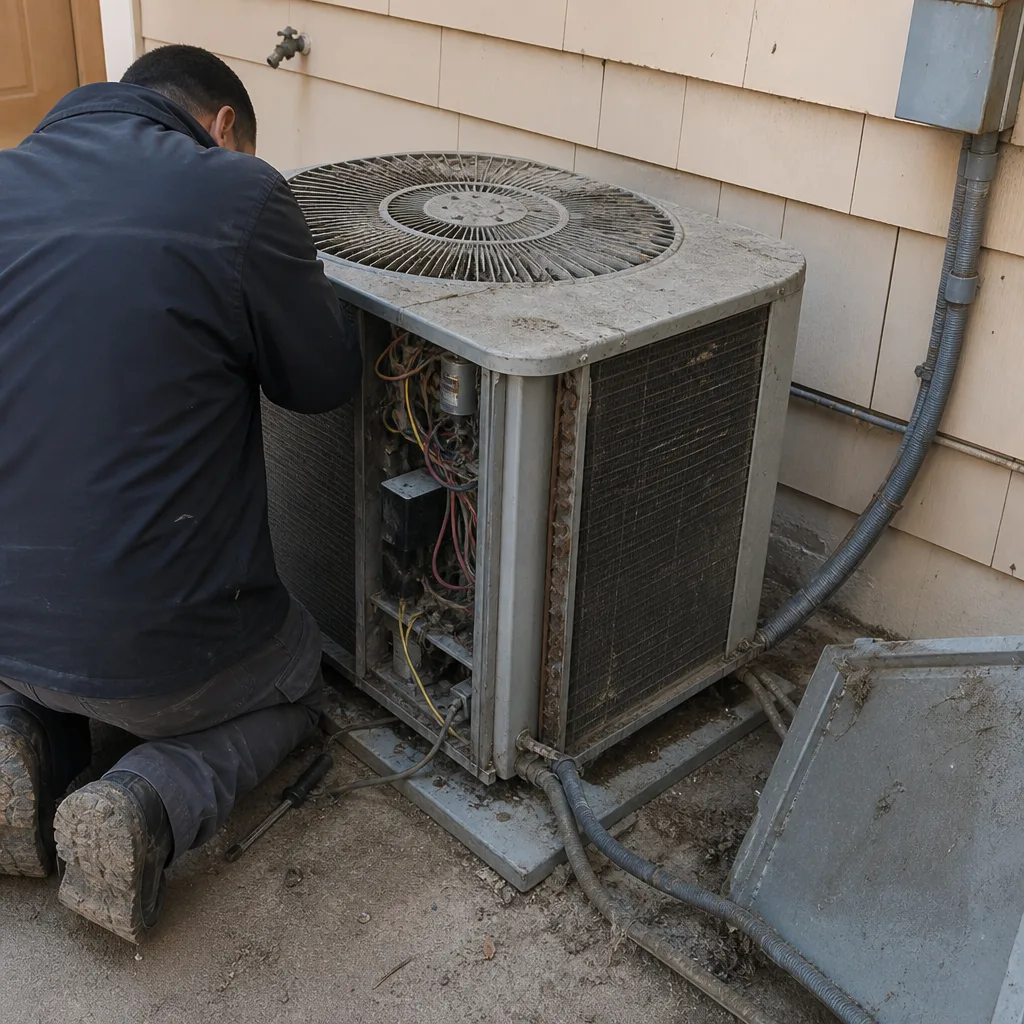 Before
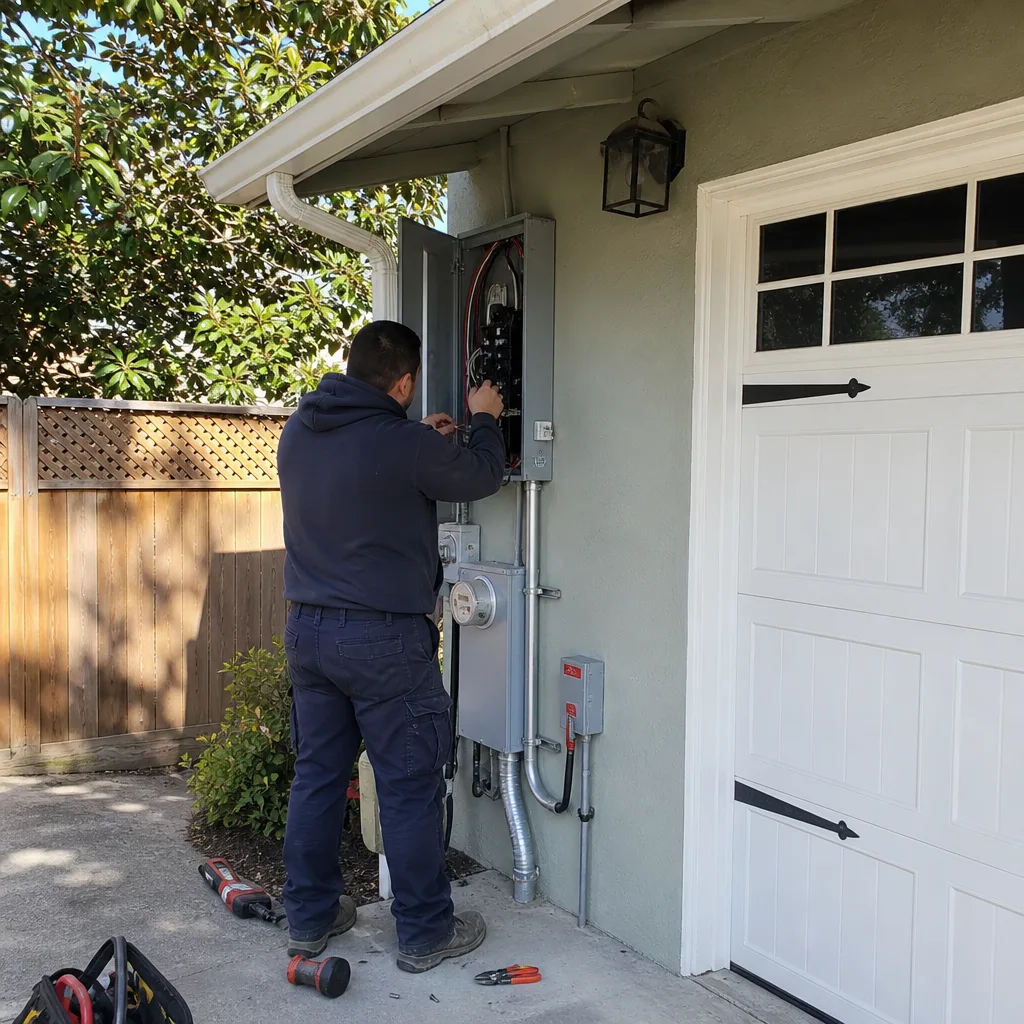 After
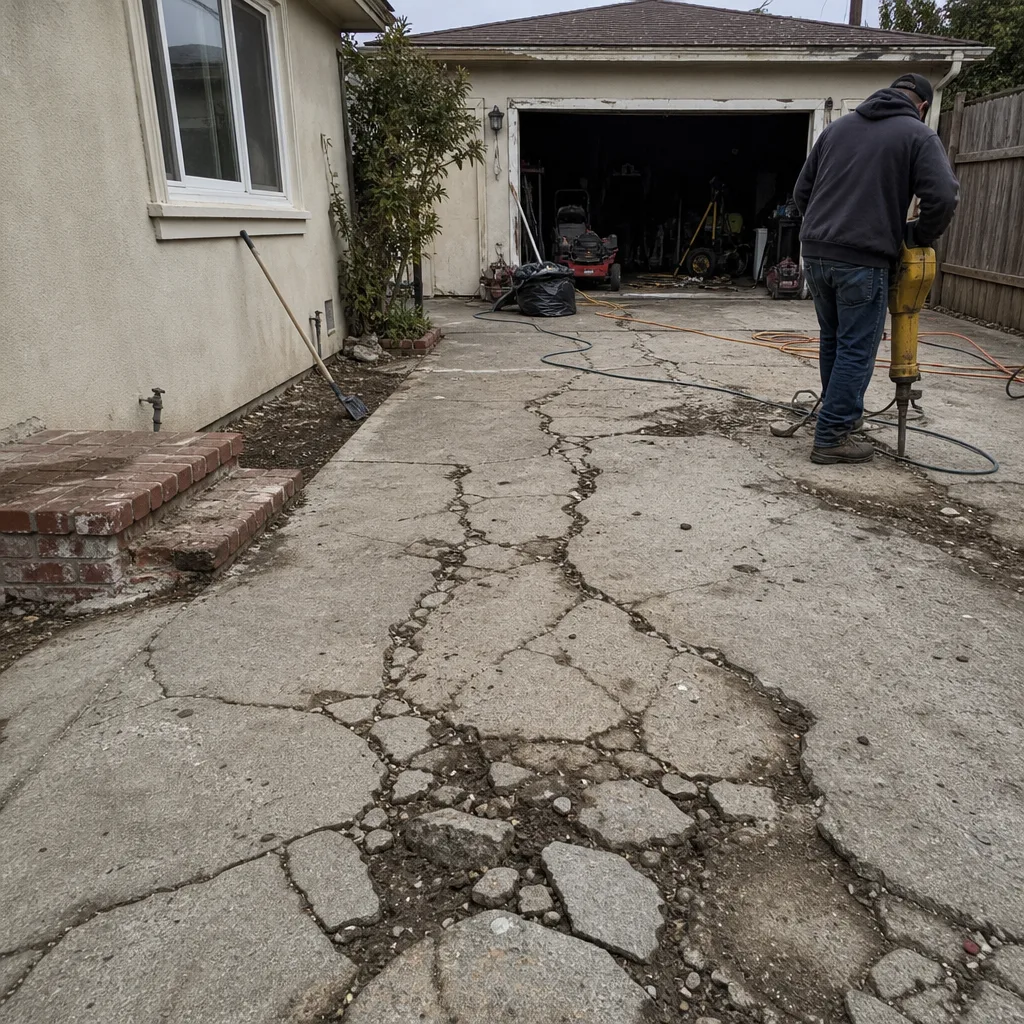 Before
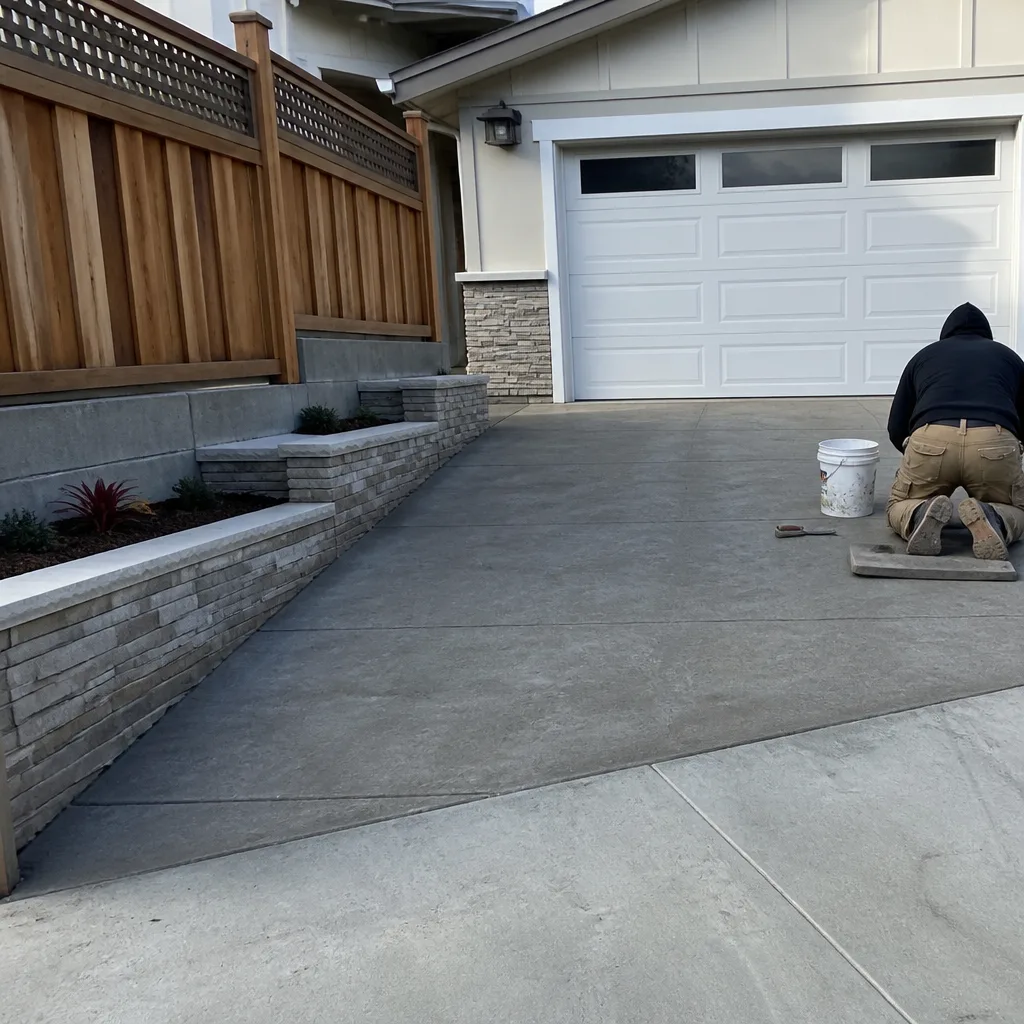 After
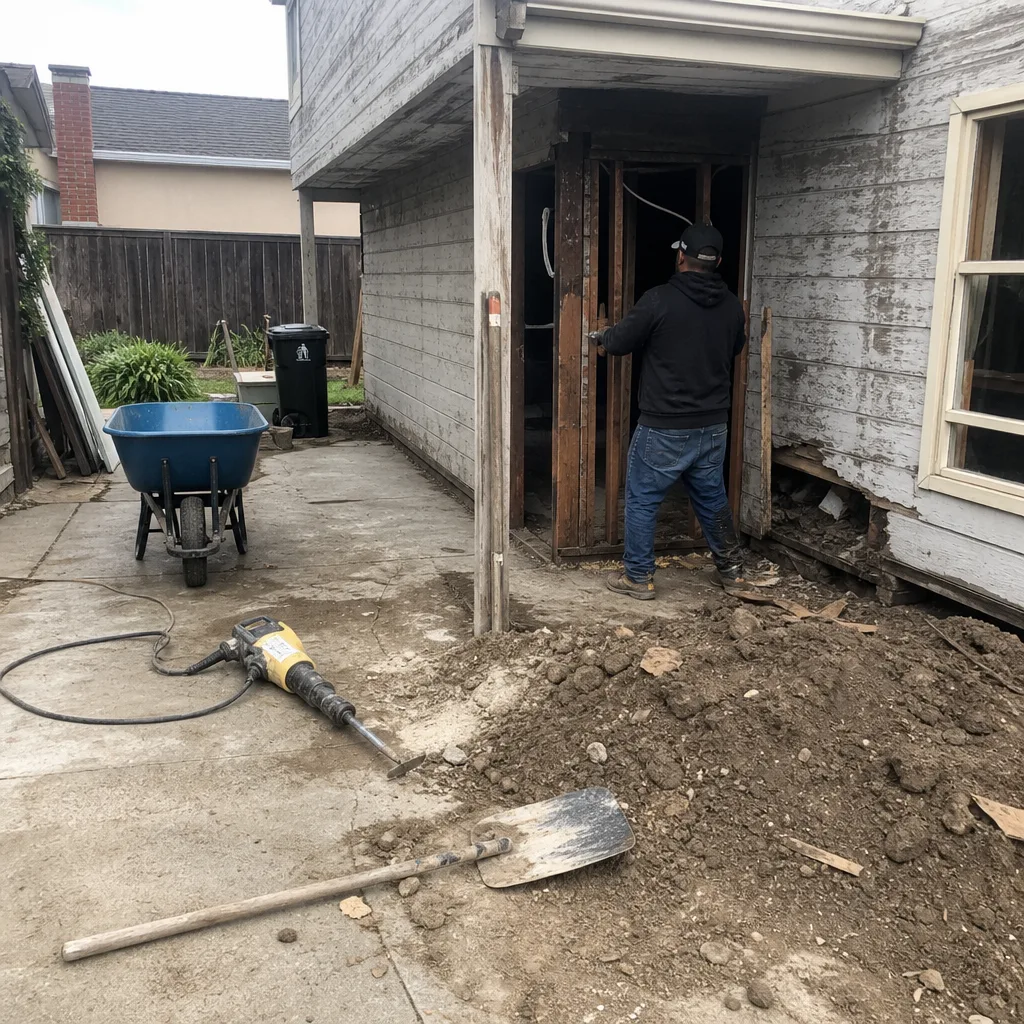 Before
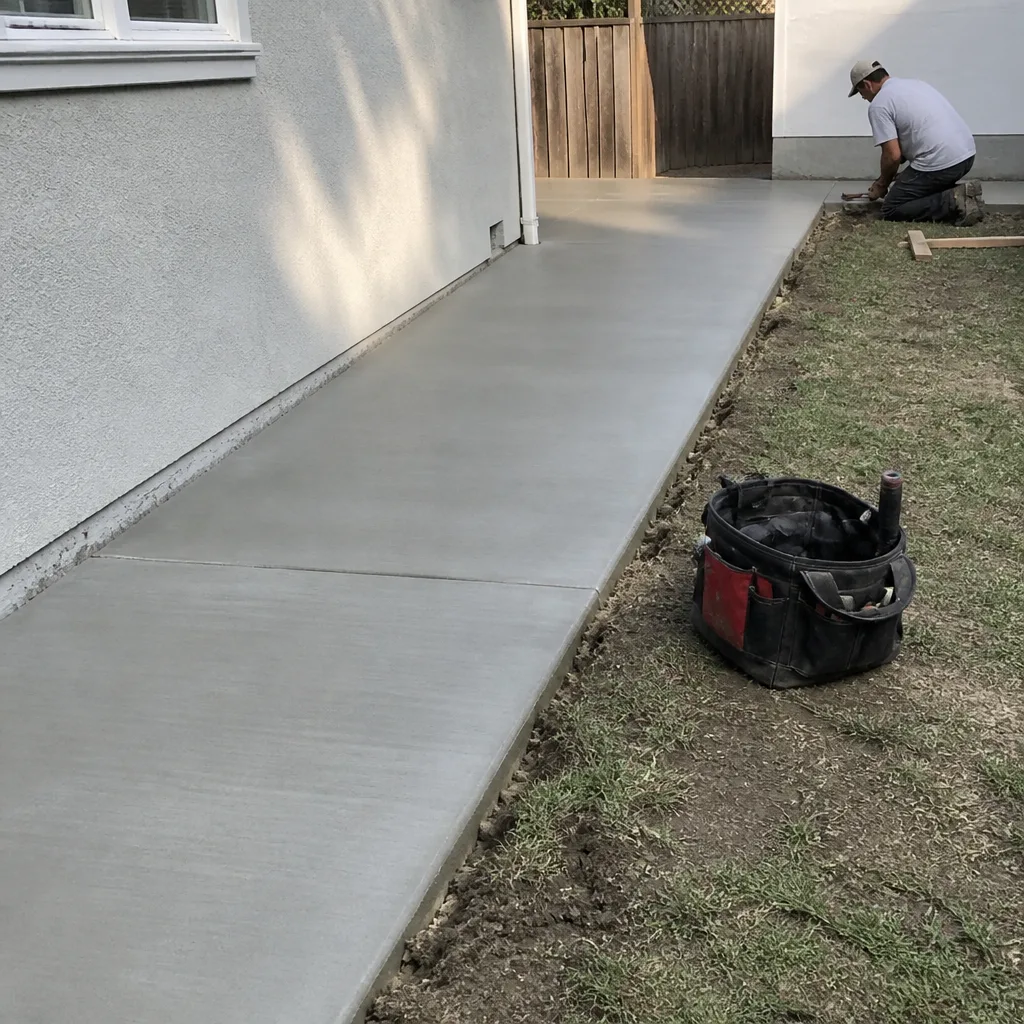 After
Common General Contractor Problems We See in San Francisco Homes
- Rusted-through galvanized railings and connectors: San Francisco’s fog belt keeps exterior metal damp for months. Standard galvanized fasteners corrode twice as fast as they do in the East Bay, and we routinely replace railings that failed in under a decade.
- Rot behind finished surfaces: Persistent marine moisture drives vapor into untreated wood framing, especially on hillside decks and under window sills. The rot is invisible until the tile pops or the paint bubbles.
- Unpermitted in-law units complicating permits: We find unpermitted conversions in a large share of older San Francisco buildings. They can stall a remodel because the DBI requires them to be legalized or removed before new work is approved.
- Paver joints washing out on sloped lots: Standard sand joints don’t survive San Francisco’s winter rain on a grade. We spec polymeric sand and sealed joints so the patio doesn’t heave or sprout weeds by April.
Pricing for General Contractor in San Francisco, CA
San Francisco prices run higher than the national average because the labor base is expensive, the permitting process is slow, and the material spec for a coastal city is more expensive than inland. Here’s what full-scope work actually costs in this market right now:
| Project | San Francisco Price Range |
|---|---|
| Kitchen Remodel | $16,520 – $53,100 |
| Bathroom Remodel | $10,620 – $33,040 |
| Window Replacement | $5,310 – $17,700 |
| Roof Replacement | $9,440 – $23,600 |
| Paver Patio Installation | $4,130 – $12,980 |
| Home Addition | $53,100 – $153,400 |
| ADU Construction | $106,200 – $259,600 |
The biggest variable in San Francisco is the coastal-spec versus inland-spec material decision. Standard galvanized fasteners and untreated wood cut the upfront quote by maybe 5 to 8 percent, but they’ll fail within a decade in the fog belt. Coastal-spec hardware costs more at the start and far less over the life of the building. Call (833) 589-8103 for a written line-item estimate. Estimates are free, and we’ll show you exactly where your budget goes.
We Also Serve Cities Near San Francisco
Our crews work across San Francisco and the surrounding neighborhoods regularly, including San Francisco proper, the Mission District, Noe Valley, Chinatown, and Visitacion Valley. If you’re on the edge of the city or just across a boundary line, call us anyway, we’ll tell you honestly whether your project is in our current coverage area.
Serving San Francisco, CA — Our Local Coverage Area
We’re based in the San Francisco area and know this community well. Use the map below to see our service coverage — if you’re nearby, we can almost certainly help.
FAQs About General Contractor in San Francisco
The difference is hardware chemistry, not just price. Coastal-spec means 316 stainless steel or hot-dip galvanized fasteners, marine-grade sealants, and treated or naturally rot-resistant wood. Inland-spec means standard galvanized hardware and untreated lumber. In San Francisco’s fog belt the inland-spec railing or deck post fails in eight to twelve years; the coastal-spec assembly is spec’d to last decades. The upfront premium is real, usually 5 to 15 percent on exterior line items, but the cheaper spec costs more by year ten when you’re paying for demolition and a full redo. Call (833) 589-8103 and we’ll price both specs so you can see the gap for your exact scope.
The fog belt means exterior work is weather-sensitive from roughly July through September, when the marine layer sits on the city for days at a time. Paint and stucco need dry, non-foggy windows to cure correctly. Deck and railing installations can proceed, but the fasteners, flashings, and sealants must be marine-grade or you’re building in a failure. Interior work is largely unaffected, and we often sequence exterior scopes around the fog calendar so you’re not paying a crew to sit. Call (833) 589-8103 for a realistic schedule for your specific project.
Yes, if you’re moving plumbing, touching structural framing, or altering any wall that could be load-bearing or fire-rated, you need a DBI permit. The age of the building doesn’t change that; it makes it more likely that the inspector will find something else while they’re there. In pre-1906 buildings we also check for historic-preservation review before touching any street-facing facade or shared property-line wall. Call (833) 589-8103 and we’ll do a permit assessment as part of the free estimate.
Standard sand joints absorb moisture and wash out under San Francisco’s winter rain, especially on the sloped lots in Noe Valley and Bernal Heights. The result is heaving, weed growth, and paver edges that crumble within a few years. We install polymeric sand that binds on curing and then seal the joints. On steep grades we also add edge restraints and drainage so water doesn’t undermine the base. Call (833) 589-8103 for a patio spec matched to your actual grade and exposure.
Yes, and we do it regularly. The cabinet line and the countertop supplier are independent decisions. We can pair KraftMaid or Wellborn boxes with a Cambria or Caesarstone surface, or mix value and premium across the same kitchen if you want to put budget into the island and save on the perimeter. Coastal exposure doesn’t affect the cabinet or counter spec much; the materials that matter for marine air are the window frames, the sink hardware, and the ventilation. Call (833) 589-8103 to see samples and get a written quote for your specific combination.
Written by Glen Sorrento, Owner at Seaside Contractors, serving San Francisco and the greater Bay Area.