
Last updated October 31, 2026
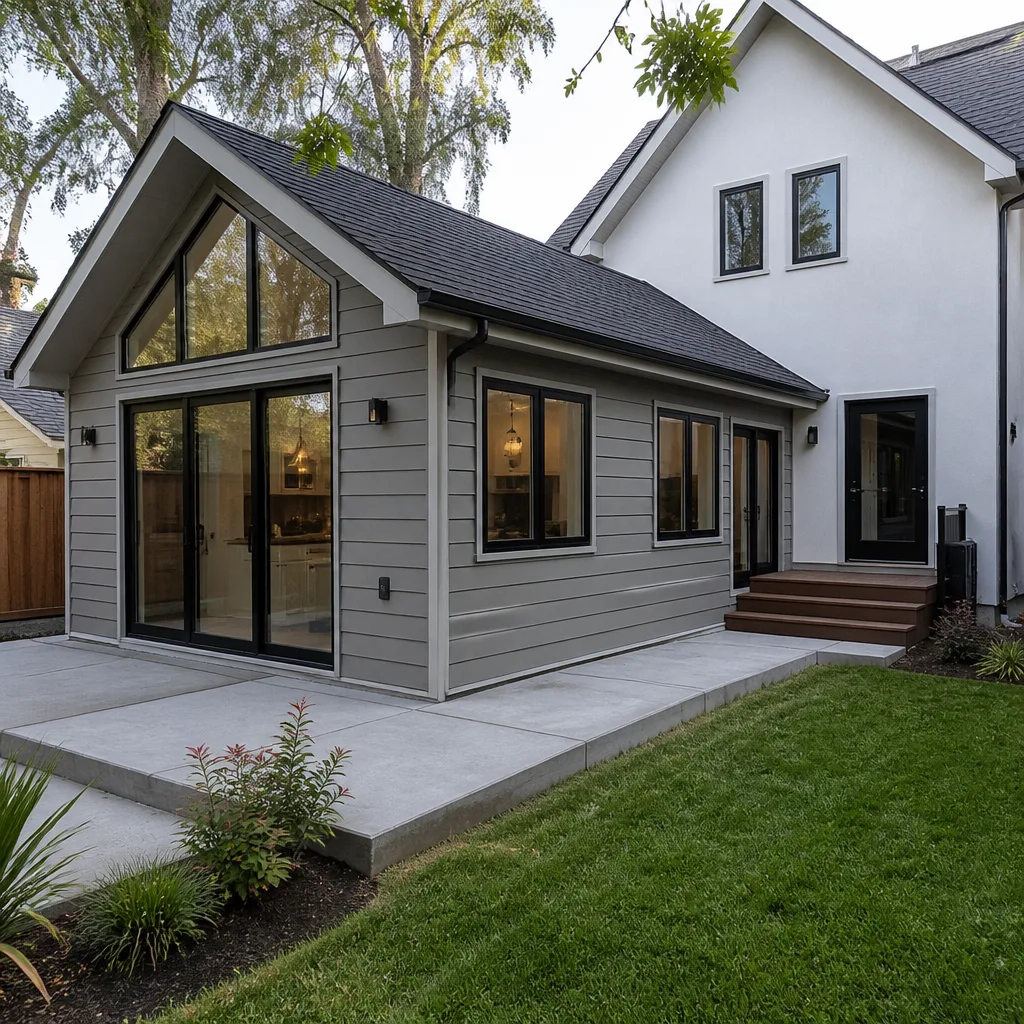 Home additions & ADU
 Kitchen remodeling
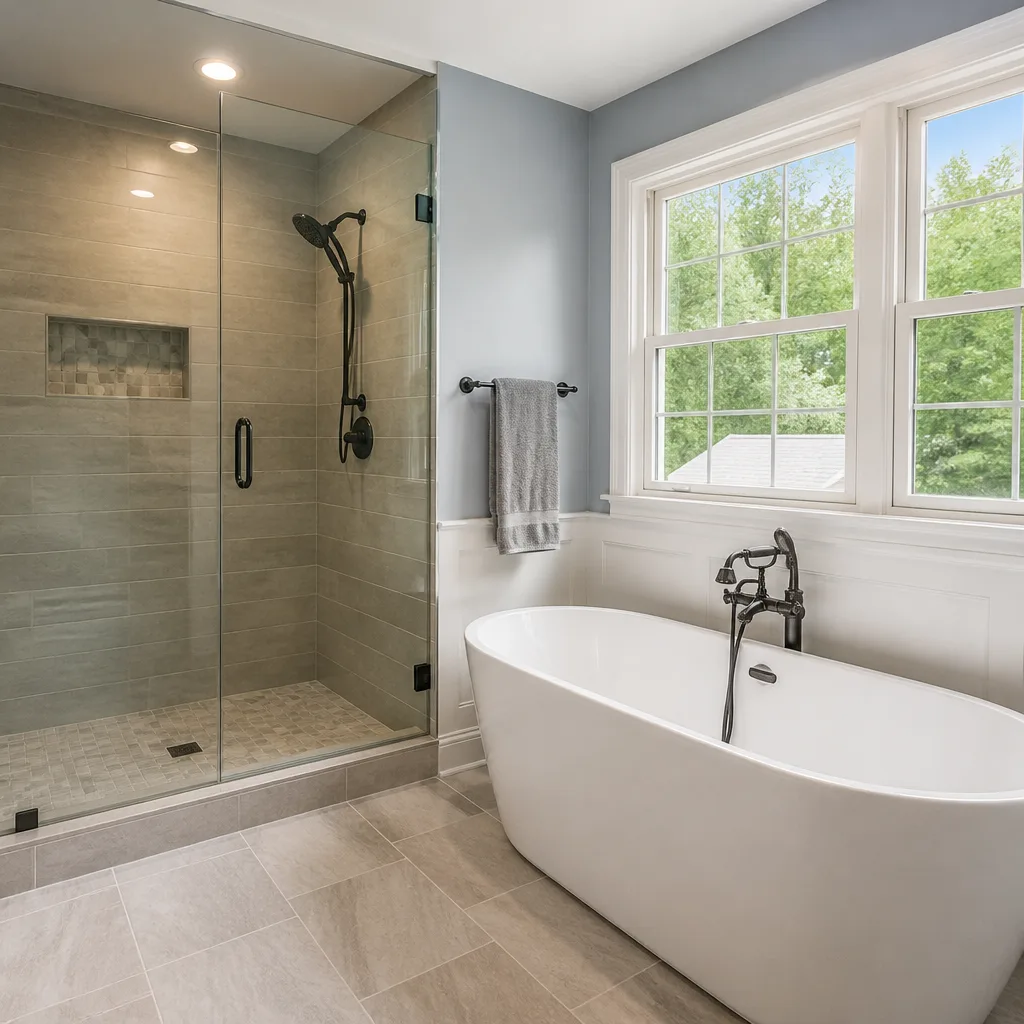 Bathroom remodeling
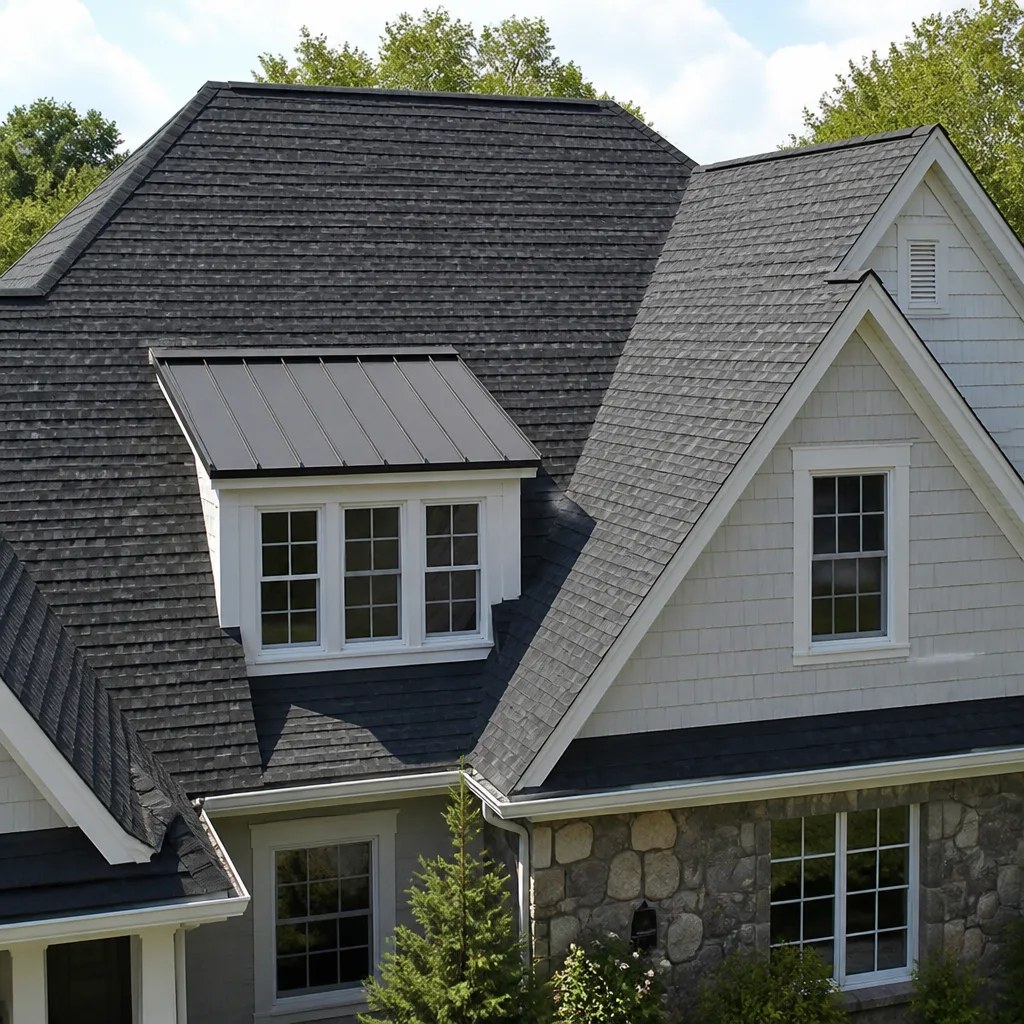 Roofing
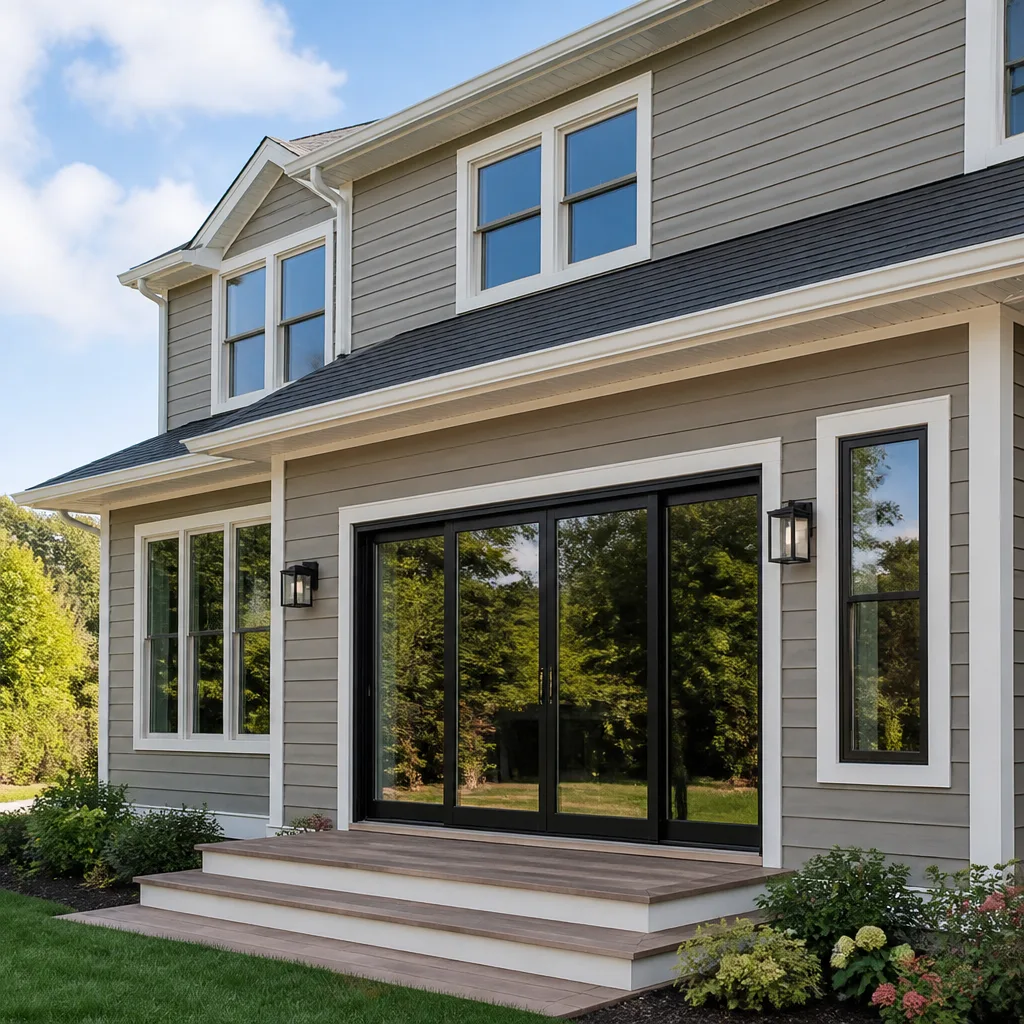 Windows & doors
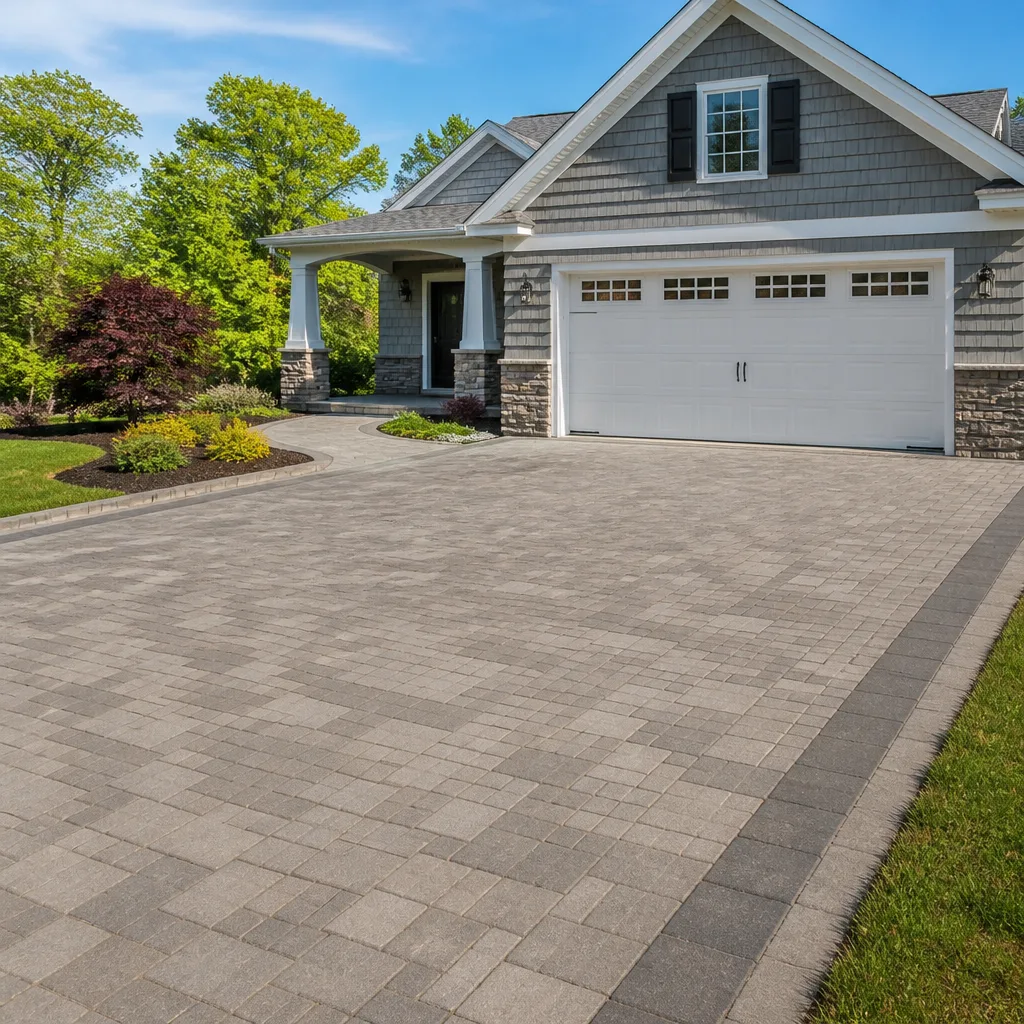 Driveway & pavers
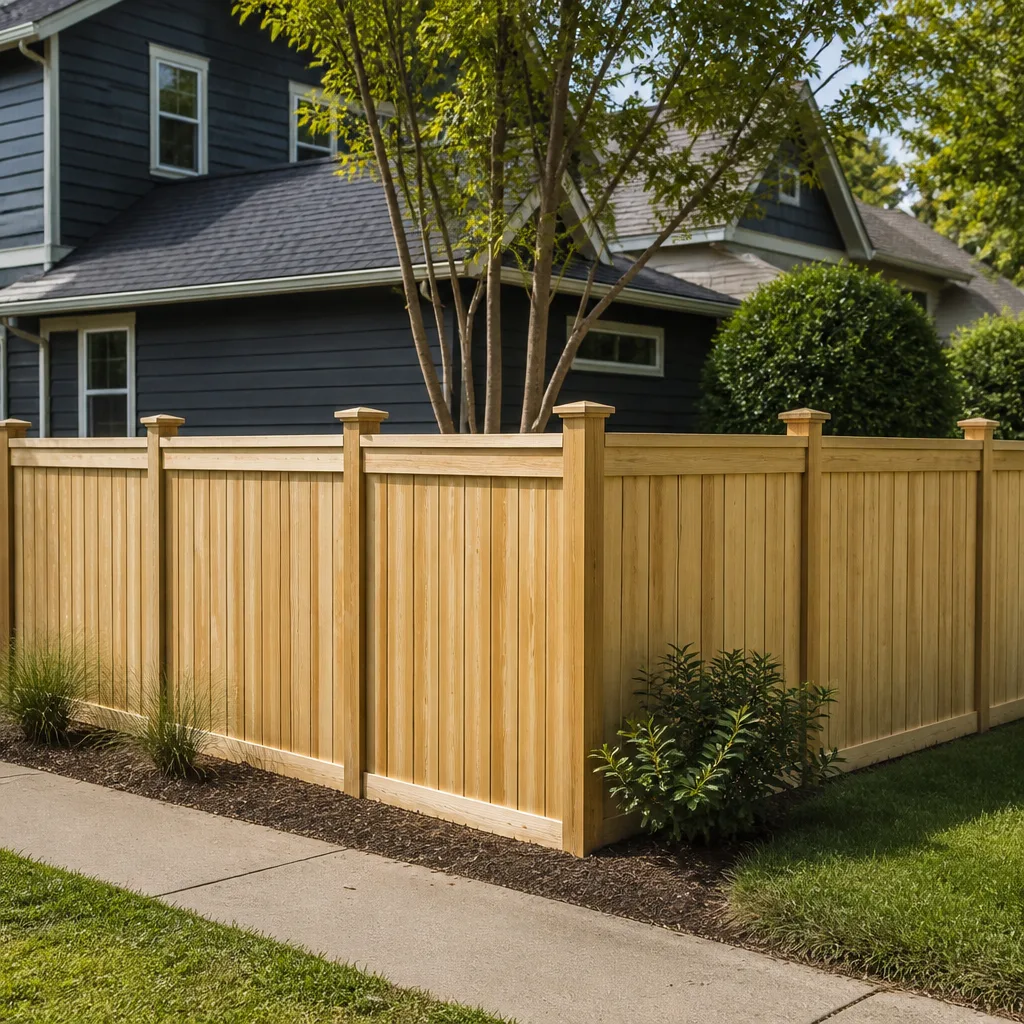 Fence
Free written scope consultation - allowances, timeline, and change-order rules on paper before a single trade is scheduled
Seasonal Construction Care for Watsonville: Year-Round Homeowner’s Guide
If you’re following a “California home maintenance calendar” you found online, you’re probably winterizing two months late and ignoring a fog-season maintenance window in August that matters more for your home’s envelope than anything in November. Watsonville sits in a climate pocket that behaves more like a coastal Oregon town than a California valley city. The marine layer doesn’t just visit here, it settles in for months at a stretch, and that persistent moisture reshapes when your home actually needs attention. This guide replaces the generic four-season calendar with one built around the Pajaro Valley’s actual stress cycle.
Quick Answer
The most important seasonal maintenance window in Watsonville is fog season, from June through September, when persistent marine moisture tests exterior paint, wood trim, roofing, and window seals harder than winter rain does. A close second is early fall, when gutter and drainage prep must be complete before compressed Pajaro Valley rain events arrive. Winter is for drainage monitoring, spring is for project planning, and summer is for fog-season defense.
Table of Contents
- Fog Season Is Watsonville’s Real Winter (June through September)
- Spring Planning: When Watsonville Projects Actually Get Moving
- Fall Rain Prep: Gutter Capacity and the Two-Inch Rule
- Winter Drainage Monitoring Near the Pajaro River
- The Month-by-Month Watsonville Maintenance Calendar
- Exterior Systems That Fail First in Coastal Fog
- Hardscaping and Ground Movement in Expansive Soils
- When to Schedule Renovations Around Watsonville’s Climate
- Common Mistakes to Avoid
- When to Call a Professional
- Frequently Asked Questions
Fog Season Is Watsonville’s Real Winter (June through September)
Most of California treats June as the start of dry season. Watsonville does not. The marine layer that rolls through the Pajaro Valley between June and September keeps relative humidity above 70 percent for weeks at a time, even when the thermometer says 68 degrees. That’s the kind of sustained moisture that works its way under paint, into wood grain, and through any gap in flashing. In our experience, homeowners who schedule exterior painting in July because “it’s summer” often end up with blistering and adhesion failure within two years.
This is also the season when wood trim tells you the truth about its condition. Soft spots along window sills, door casings, and fascia boards absorb fog moisture and hold it. Run a flat-head screwdriver along the bottom edges of trim during June. If it sinks in anywhere, you have rot that winter rain will make dramatically worse. Catch it during fog season and a targeted repair costs a few hundred dollars. Wait until January and you’re replacing structural framing.
Fog-Season Inspection Checklist
- Check all wood trim with a screwdriver or probe, paying attention to north-facing walls that never see direct sun.
- Inspect caulk lines around windows and doors. Fog moisture finds failed caulk fast, and once water gets behind siding, the damage accelerates through October.
- Look for paint bubbling or peeling on fascia boards and soffits, which sit directly under roof edges where fog condenses and drips.
- Walk the roof line with binoculars and look for lifted or cracked shingles. Fog plus wind equals slow water intrusion that doesn’t show up as a leak until January.
- Check attic ventilation. A foggy Watsonville summer means condensation inside insufficiently vented attics, which leads to mold and sheathing rot from the inside out.
Watsonville homeowners who treat August as a maintenance month, not a beach month, are the ones whose homes age slowly. The fog is predictable. The damage doesn’t have to be.
Spring Planning: When Watsonville Projects Actually Get Moving
February through April is when construction projects in Watsonville go from idea to active job site fastest, as outlined in The Complete Guide to Construction in Watsonville. There are three reasons. First, the soil has dried out enough from winter saturation for excavation and foundation work to proceed without fighting mud or waiting for ground to stabilize. Second, the City of Watsonville’s permitting department processes residential applications more efficiently in late winter, before the spring building surge arrives. Third, material lead times from manufacturers like James Hardie and GAF are shorter when you order before the national construction season peaks in May.
If you’re planning an ADU, a kitchen remodel, or a whole-home renovation, start the permitting conversation in January—our Complete General Contractor Guide for Watsonville Homeowners covers this timeline in detail. Projects that begin the permit process in March often don’t see an approved permit until June, which pushes construction into fog season, when exterior work moves slower.
Spring Project Timing Guide
- January to February: Finalize scope, sign contracts, submit permit applications.
- March to April: Permits get issued. Demolition and structural work begin on dry ground.
- May to June: Exterior work, including roofing and windows, should be complete before the fog settles in.
- July to September: Interior work continues without interruption. Fog doesn’t slow down carpentry, cabinetry installation, or countertop fabrication.
- October to December: Punch-list items and finishing touches. Exterior painting should wrap before October rain.
This sequence matters because Watsonville’s construction calendar is compressed. You don’t have the same wide weather window that inland California enjoys. Planning around the fog, not just the rain, is what keeps projects on schedule.
Fall Rain Prep: Gutter Capacity and the Two-Inch Rule
Watsonville does not get long, steady rainy seasons. It gets compressed storm events that can drop two inches of rain in 24 hours, especially between November and February. That’s a different drainage challenge than a slow drizzle. Gutters that are half-clogged with summer fog-season debris from Monterey pines and eucalyptus will overflow during those events, and overflow is what saturates foundations and causes crawl space flooding.
The standard advice is to clean gutters in late fall. In Watsonville, you need to do it earlier, by mid-October at the latest. And cleaning isn’t enough. You need to verify capacity.
Gutter Capacity Check
- Clean all gutters and downspouts by mid-October, before the first major rain event.
- Run water through each downspout with a hose and watch where it exits. Water should discharge at least four feet from the foundation.
- Check that downspout extensions are intact and pointed downhill. Splash blocks should be positioned so water flows away from the house, not back toward the crawl space.
- If your home has standard 5-inch gutters and you’ve added roof area, consider upgrading to 6-inch gutters. Watsonville’s intense but infrequent rain patterns reward oversized drainage.
- Inspect gutter hangers and brackets. Gutters full of water during a two-inch storm event will pull away from the fascia if hangers are corroded or spaced too far apart.
The homes that handle Watsonville’s rain events well are the ones whose drainage systems are sized for the worst 24 hours of the year, not the average. That’s a spec conversation we have with homeowners all the time, and it applies whether you’re talking about gutters, French drains, or the grading around your foundation.
Winter Drainage Monitoring Near the Pajaro River
Parts of Watsonville sit in or near FEMA flood zones associated with the Pajaro River and its tributaries, including Salsipuedes Creek and Corralitos Creek. Even if your home isn’t in a designated flood zone, heavy winter saturation changes how water behaves on your property. Soil that absorbed water for weeks has no capacity left, so water that would normally percolate runs off instead, and it runs toward low spots.
During winter months, check your property after every significant rain event. Walk the perimeter and look for ponding water that lingers more than 48 hours. Check crawl space vents for any sign of water intrusion. If you have a sump pump, verify it’s cycling correctly. If you don’t have a sump pump but your crawl space has a history of dampness, now is the time to consider one.
Grading and drainage work, when done properly, shifts under saturation. A slope that looked fine in September can settle over the winter and start directing water toward the foundation by February. If you notice a change in how water moves across your property, address it in spring when soil conditions support excavation and compaction. Drainage problems in Watsonville are easiest to fix on dry ground, not in the middle of a January storm.
The Month-by-Month Watsonville Maintenance Calendar
Here’s the Watsonville-calibrated maintenance rhythm that replaces the generic four-season approach. Use this as your reference throughout the year.
| Month | Priority Actions | Watsonville Trigger |
|---|---|---|
| January | Start permit applications for spring projects. Inspect crawl space after rain events. | Post-storm saturation peaks; permitting queue is shortest. |
| February | Finalize renovation scopes. Check drainage patterns on dry days. | Soil begins drying; a dry week lets you assess grading. |
| March | Begin excavation and structural work. Order materials. | Ground is workable; material lead times shorter than May. |
| April | Schedule exterior painting and roofing work. Inspect fog preparation. | Last reliably dry month before marine layer thickens. |
| May | Complete exterior work. Check attic ventilation. | Fog season begins; days still warm enough for paint cure. |
| June | Fog-season inspection: trim, caulk, paint, roof edges. | Marine layer settles in; humidity above 70 percent. |
| July | Monitor wood trim. Touch up caulk. Check window seals. | Peak fog month; moisture stress on envelope is highest. |
| August | Second fog-season inspection. Start interior renovations. | Fog persists; interior work unaffected by humidity. |
| September | Begin fall transition. Inspect roof for summer fog damage. | Fog starts thinning; last chance for pre-rain exterior repairs. |
| October | Clean gutters. Verify downspout discharge. Seal gaps. | First major rain event possible by month’s end. |
| November | Monitor drainage during storms. Check crawl space. | Two-inch rain events become likely. |
| December | Continue storm monitoring. Plan January permit submissions. | Wettest month; post-rain inspections after each event. |
This calendar reflects what we see on actual job sites in Watsonville. The homes that stay dry and intact year after year are the ones whose owners follow a rhythm like this, not the ones who clean gutters in November and call it done.
Exterior Systems That Fail First in Coastal Fog
Watsonville’s fog isn’t just an inconvenience. It’s a persistent moisture load that attacks specific building materials in predictable ways. Knowing which systems fail first lets you prioritize inspection and maintenance dollars where they’ll have the most impact.
1. Exterior Paint
Latex paints need dry conditions to cure properly, and Watsonville’s fog season doesn’t provide them. Painting in June, July, or August leads to surfaces that feel dry but haven’t fully cured underneath. When winter rain arrives, moisture penetrates the uncured film and causes peeling. The fix is scheduling exterior painting for April, May, or September and October, when fog is lighter and daytime temperatures still support proper cure.
2. Wood Trim and Siding
Cedar, redwood, and fir trim all absorb fog moisture. Unpainted or poorly sealed wood starts to rot from the inside out, and by the time you see soft spots, the damage extends well beyond what’s visible. Regular probing during fog season catches rot early. Sealed and painted trim resists fog far better, but only if the paint job itself remains intact.
3. Window and Door Seals
The repeated cycle of fog condensation and drying causes caulk and weatherstripping to fail faster in Watsonville than in drier inland climates. Check window frames for condensation between panes, which indicates failed seals. Failed seals mean lost insulation and higher energy bills, and in a coastal climate, they also mean moisture inside the wall cavity.
4. Roofing Underlayment
Asphalt shingles handle fog fairly well. What doesn’t handle fog well is the underlayment beneath them, especially if the roof is more than 15 years old. Fog condensation works its way under shingles and sits against the underlayment, degrading it slowly. By the time winter storms arrive, compromised underlayment allows water into the attic. Annual roof inspection in late summer, before the rain starts, is the right cadence for Watsonville.
Hardscaping and Ground Movement in Expansive Soils
Watsonville sits on a mix of soils, including some expansive clays that swell when wet and shrink when dry. That movement affects hardscaping more than most homeowners expect. Concrete patios crack, paver surfaces shift, and retaining walls lean when the ground beneath them changes volume through the wet-dry cycle.
The right hardscaping approach for Watsonville starts with proper base preparation. A compacted aggregate base of at least four inches, sometimes more depending on soil conditions, gives paver installations enough flexibility to ride out soil movement. Brands like Belgard and Unilock manufacture paver systems designed for environments with soil movement, and they’re widely used in coastal California for exactly this reason. Techo-Bloc and Tremron also produce products that perform well in marine-influenced climates, but the base underneath is what determines whether any paver system lasts.
Concrete work in Watsonville needs control joints placed more deliberately than inland work. Expansive soil movement concentrates stress at joints, and poorly placed joints crack. For retaining walls, drainage behind the wall is non-negotiable. A wall that holds water against its backside in Watsonville’s saturated winter will fail, whether through bulging, cracking, or complete collapse. We install drainage on every retaining wall project for this reason, and it’s a detail homeowners should ask about even if they’re working with another contractor.
When to Schedule Renovations Around Watsonville’s Climate
Home renovation projects in Watsonville follow a different timing logic than the national norm. The fog season, not winter, is the constraint you’re scheduling around.
Kitchen and Bathroom Renovations: These are interior projects, which means fog season is irrelevant. You can start a kitchen remodel in July and it will proceed on schedule. The only constraint is material lead time, which is longest for custom cabinetry lines like KraftMaid and Wellborn during the national construction season. Order cabinetry in January or February for a summer installation, or in September for a winter installation, and you’ll avoid the worst of the backlog.
Whole-Home Renovations: Projects that touch the building envelope, meaning roofing, siding, windows, and exterior doors, need exterior work complete before fog season and again before winter rain. The ideal sequence starts in March or April with demolition and structural work, moves through exterior work in May, and then proceeds to interior finishes through summer and fall. A project that starts in summer is workable because interior work proceeds regardless of fog, but exterior phases may slip to the following spring.
ADU Construction: Prefab and modular ADUs have shorter site-work phases than conventional construction, which makes them easier to schedule around Watsonville’s constraints. Foundation work can happen in spring, module installation takes days rather than weeks, and the remaining work is mostly interior. This is one reason prefab ADUs through manufacturers like Abodu, Dvele, and Boxabl are gaining traction in the Pajaro Valley. You’re not fighting the fog the way you would be with a conventional build.
Roofing Projects: Roofing is the most weather-sensitive trade in Watsonville. The ideal window is April through early June, with September and October as a secondary window. Most roofing materials, including GAF, CertainTeed, and Owens Corning products, need dry conditions for proper installation. A roof installed during fog season can still perform, but you’re asking installation crews to work in conditions that make proper sealing harder, and the long-term result reflects that.
For homeowners who want one contractor managing a project that spans multiple trades, Seaside Contractors home represents a full-scope general contracting approach with material access across roofing, siding, windows, cabinetry, countertops, and hardscaping. Planning your project around Watsonville’s climate is easier when you’re not coordinating between five different specialty contractors.
Common Mistakes to Avoid
- Scheduling exterior painting in July. Watsonville’s fog season prevents proper paint cure, and paint applied in July often fails within two years. April, May, September, and October are the right months for exterior paint work.
- Cleaning gutters in November. The first significant rain event can arrive in October. By November, you may already have water where it shouldn’t be. Mid-October gutter cleaning is the Watsonville standard.
- Ignoring the fog season entirely. Homeowners who follow generic California maintenance calendars skip June through September attention and then wonder why paint peels and trim rots. The fog is the primary stressor on your home’s envelope.
- Treating drainage as a fix-it-once project. Drainage in Watsonville requires annual adjustment. Grading settles, downspouts shift, and soil saturation changes water behavior. Monitor every winter, not just when you move in.
- Starting permit applications in spring for summer projects. The City of Watsonville’s permitting queue is lightest in January and February. Submit then, and you’ll have an approved permit when construction season starts. Submit in April, and exterior work lands in fog season.
- Skipping attic ventilation checks. Fog condensation inside attics causes mold and sheathing rot, especially in older Watsonville homes with limited venting. Check attic airflow during fog season, not just when you notice a leak.
- Choosing hardscaping materials without accounting for soil movement. Expansive soils in parts of Watsonville require proper base work and joint placement. The cheapest paver quote rarely includes the base preparation that prevents shifting and cracking.
When to Call a Professional
Some seasonal maintenance tasks are DIY-friendly. Probing wood trim, checking gutter flow, and monitoring drainage after storms are all things an attentive homeowner can handle. But when you find a problem, the fix often requires more than a weekend. Structural rot repair, roofing replacement, crawl space waterproofing, hardscaping with proper drainage, and any work involving building permits belong with a licensed contractor who understands Watsonville’s specific conditions. General contractor services in Foster City share the same coastal fog challenges as Watsonville, and the material and installation choices that work there apply here. Seaside Contractors offers free estimates in Watsonville, call (833) 589-8103 to schedule a seasonal inspection or discuss a repair project.
Frequently Asked Questions
Schedule exterior painting for April, May, September, or October in Watsonville. These months offer the dry conditions needed for proper paint cure without the persistent marine layer that interferes with adhesion between June and August.
Clean gutters twice a year in Watsonville: once in mid-October before the rainy season begins, and again in late spring after wind has deposited debris. Homes with overhanging Monterey pines may need three cleanings per year. Call (833) 589-8103 if you’d like help assessing your drainage system.
Yes, persistent fog causes condensation that sits against roofing underlayment and accelerates its deterioration, even when no visible leak appears. This is why annual late-summer roof inspections are the right cadence for Watsonville homes, ideally before winter rain arrives.
Start the permit process in January or February so permits are approved by March or April, when soil conditions support exterior work before fog season arrives. Interior renovations can start anytime since fog doesn’t affect interior work.
Expansive clay soils in parts of Watsonville swell during winter saturation and shrink during dry summer stretches, causing ground movement that shifts improperly prepared paver installations and concrete surfaces. Proper base preparation and joint placement are essential. Call (833) 589-8103 for a hardscaping assessment.
Check the FEMA flood map service center with your Watsonville property address. Homes near the Pajaro River, Salsipuedes Creek, or Corralitos Creek may be in designated flood zones, and even homes outside those zones experience drainage changes during saturated winter months. Monitoring your property after each significant storm is the practical approach regardless of map designation.
The Bottom Line
Watsonville’s climate doesn’t follow the California template, and your home maintenance calendar shouldn’t either. The fog season is the real moisture-stress period. Fall prep happens in October, not November. Winter is for monitoring drainage on saturated ground. Spring is when projects break ground. Home remodeling projects in Foster City face the same marine layer and coastal moisture, and the same timing logic applies across both cities. If you’re planning a renovation, home renovation services near Foster City offer a useful comparison for scope and process. The homeowners who stay ahead of the fog, not behind it, are the ones whose properties stay solid through every season. Call (833) 589-8103 to schedule your free estimate.
Written by the team at Seaside Contractors, serving Watsonville since 2013.
Styles & brands we work with
See the difference
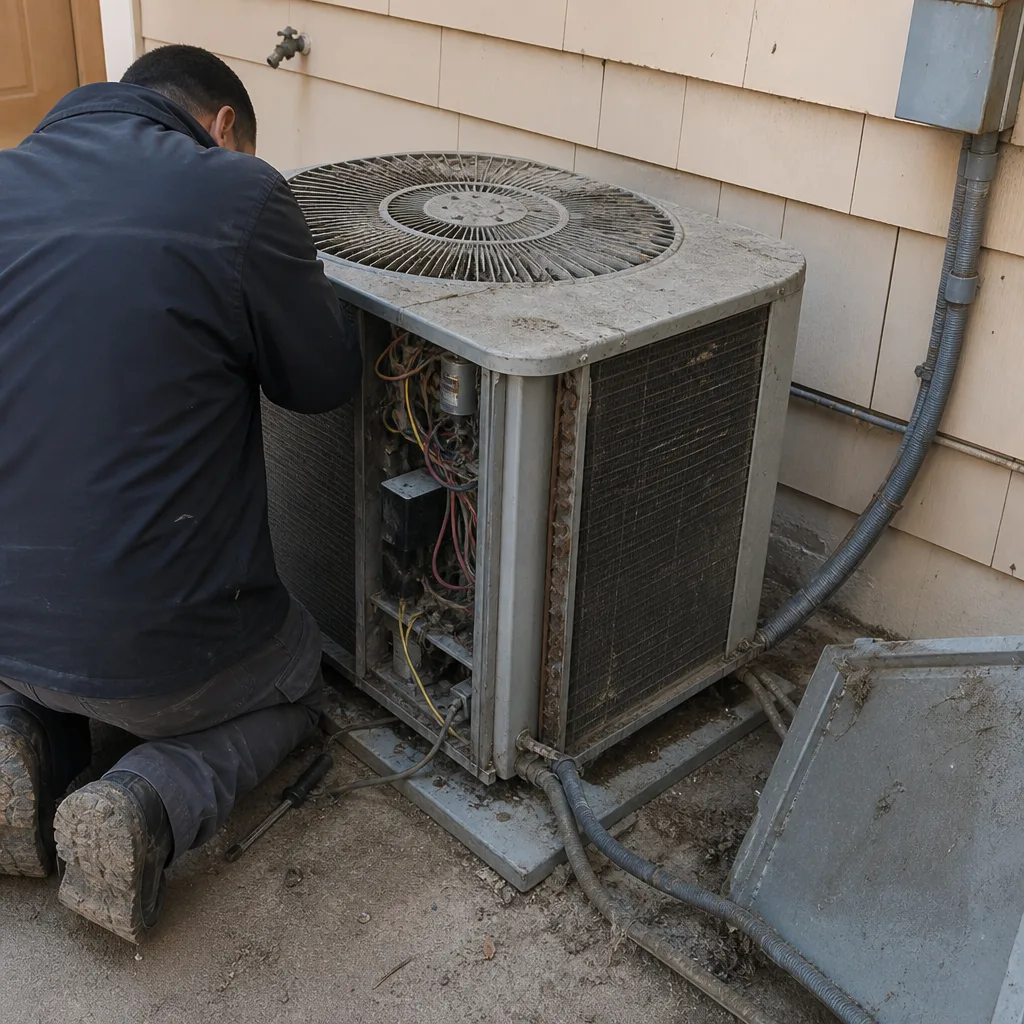 Before
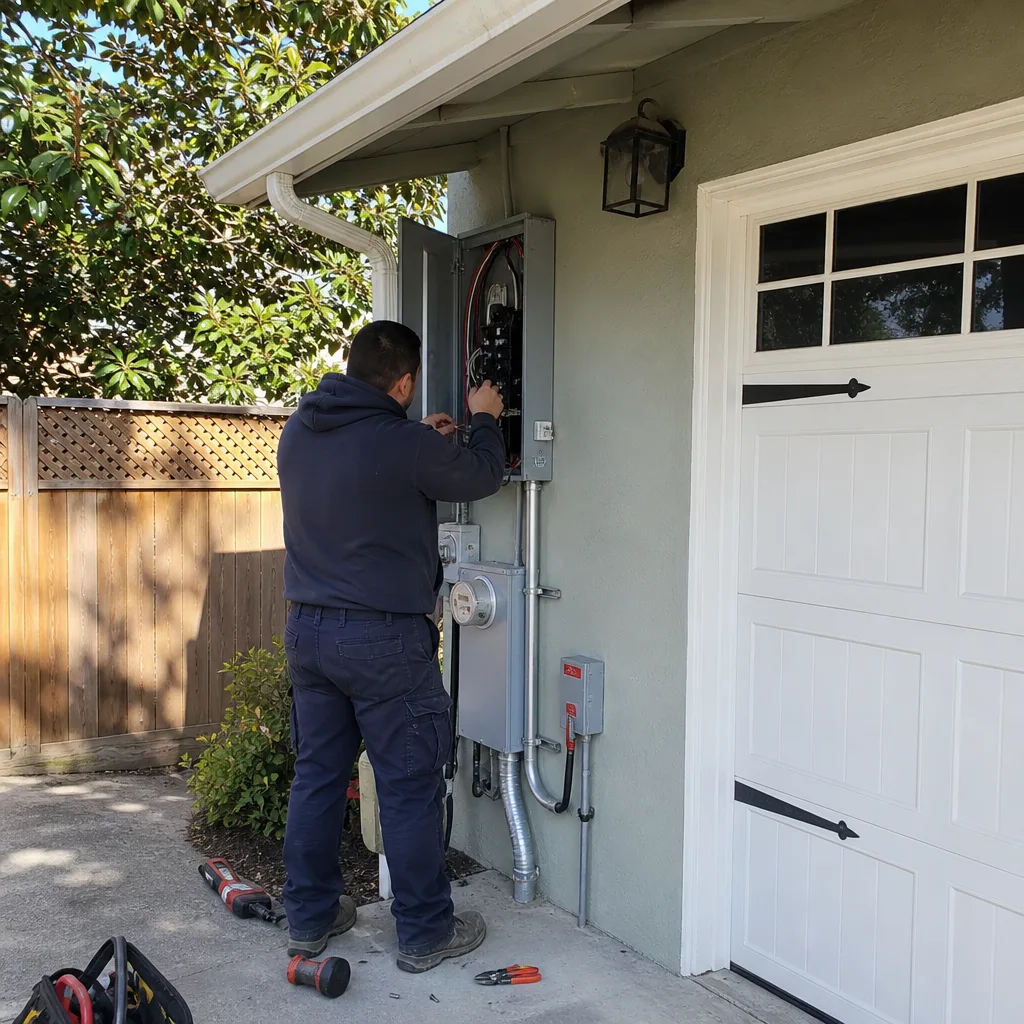 After
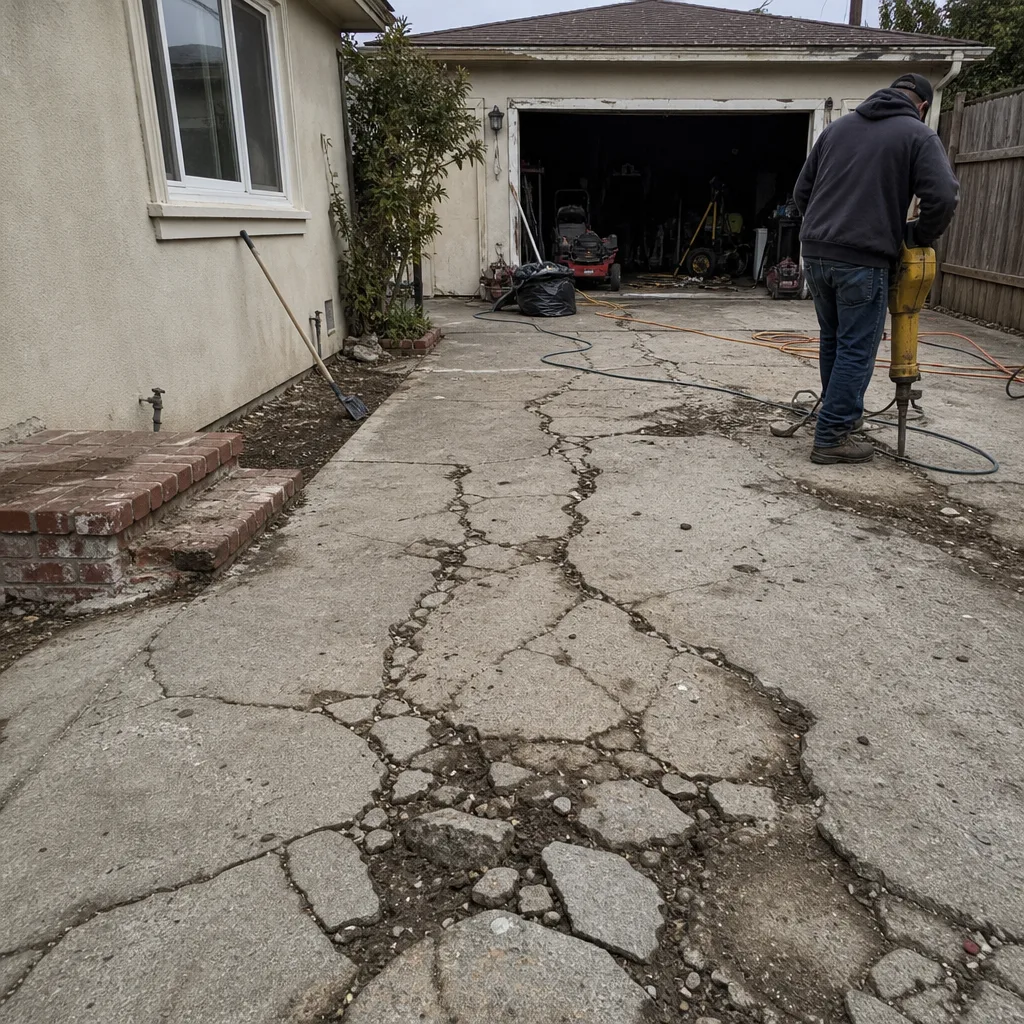 Before
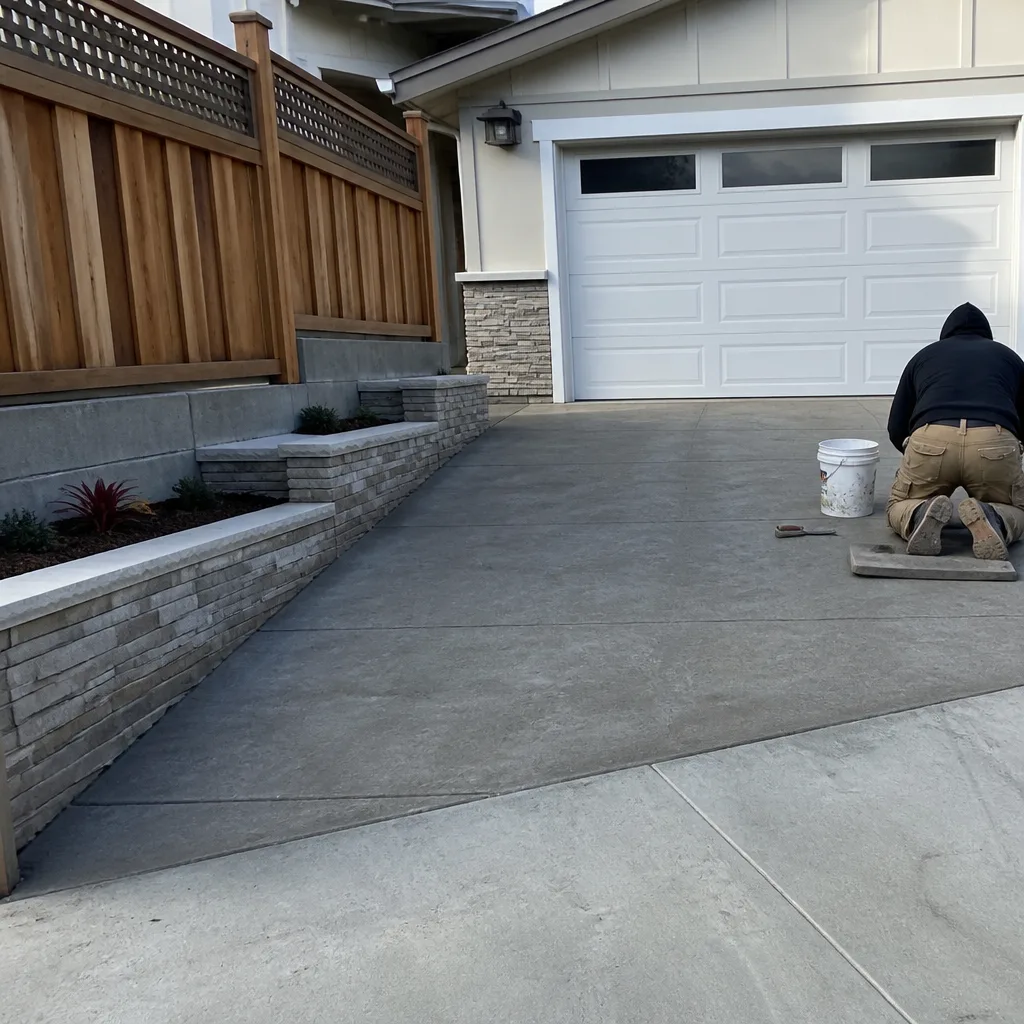 After
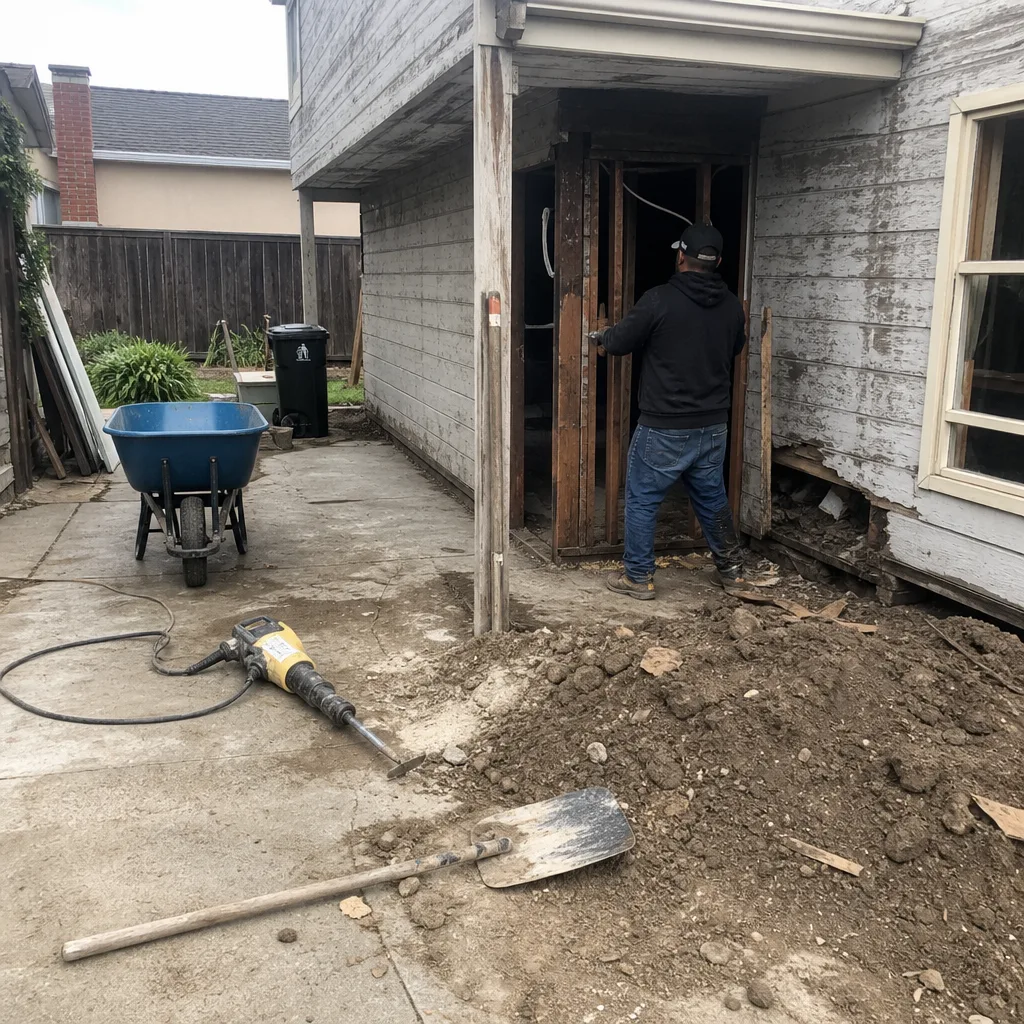 Before
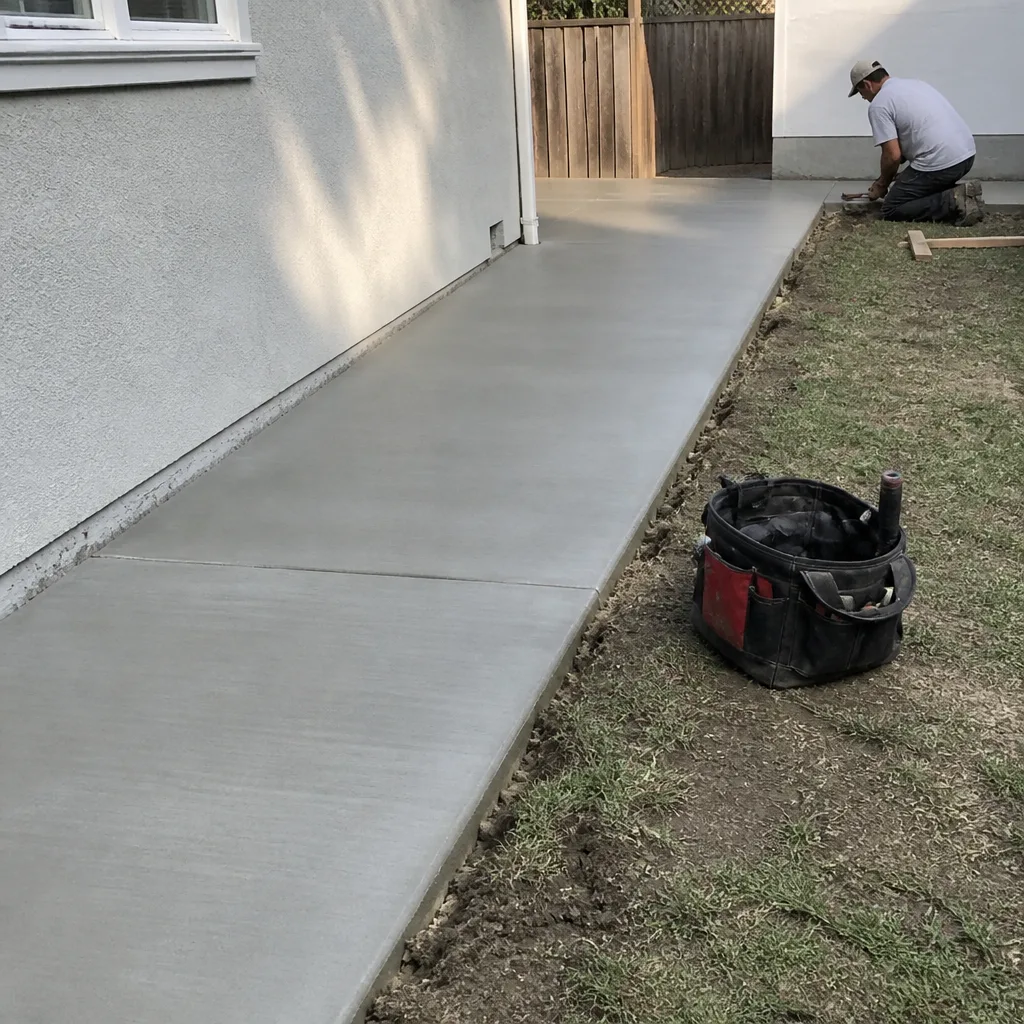 After