
Last updated October 31, 2026
 Kitchen remodeling
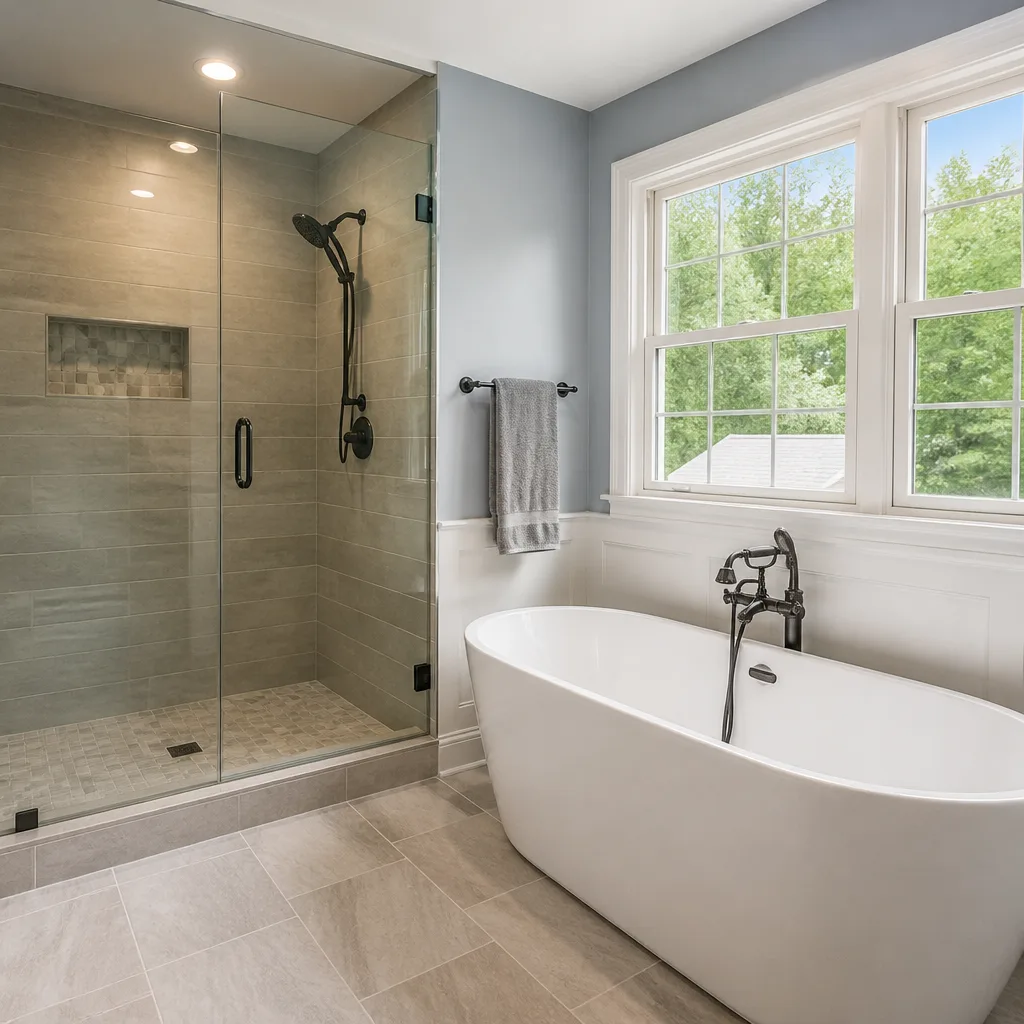 Bathroom remodeling
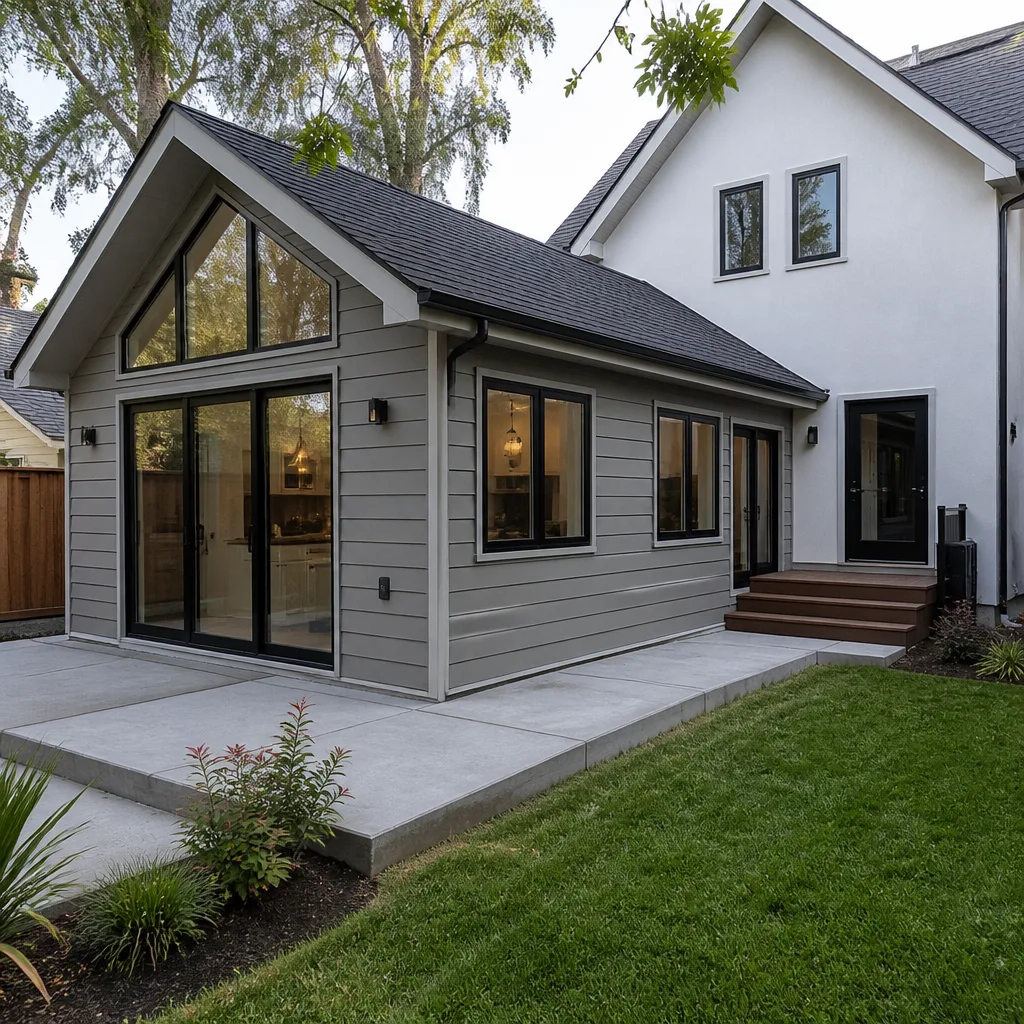 Home additions & ADU
 Roofing
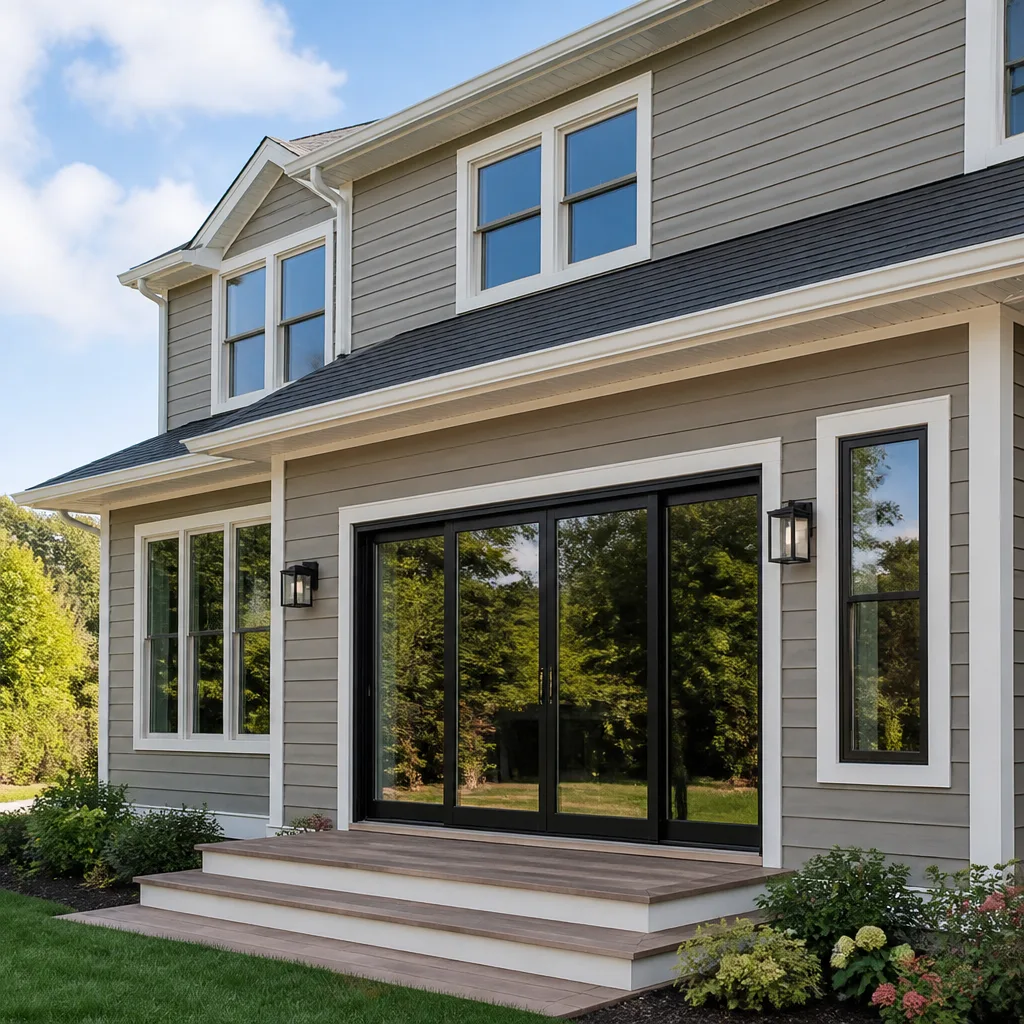 Windows & doors
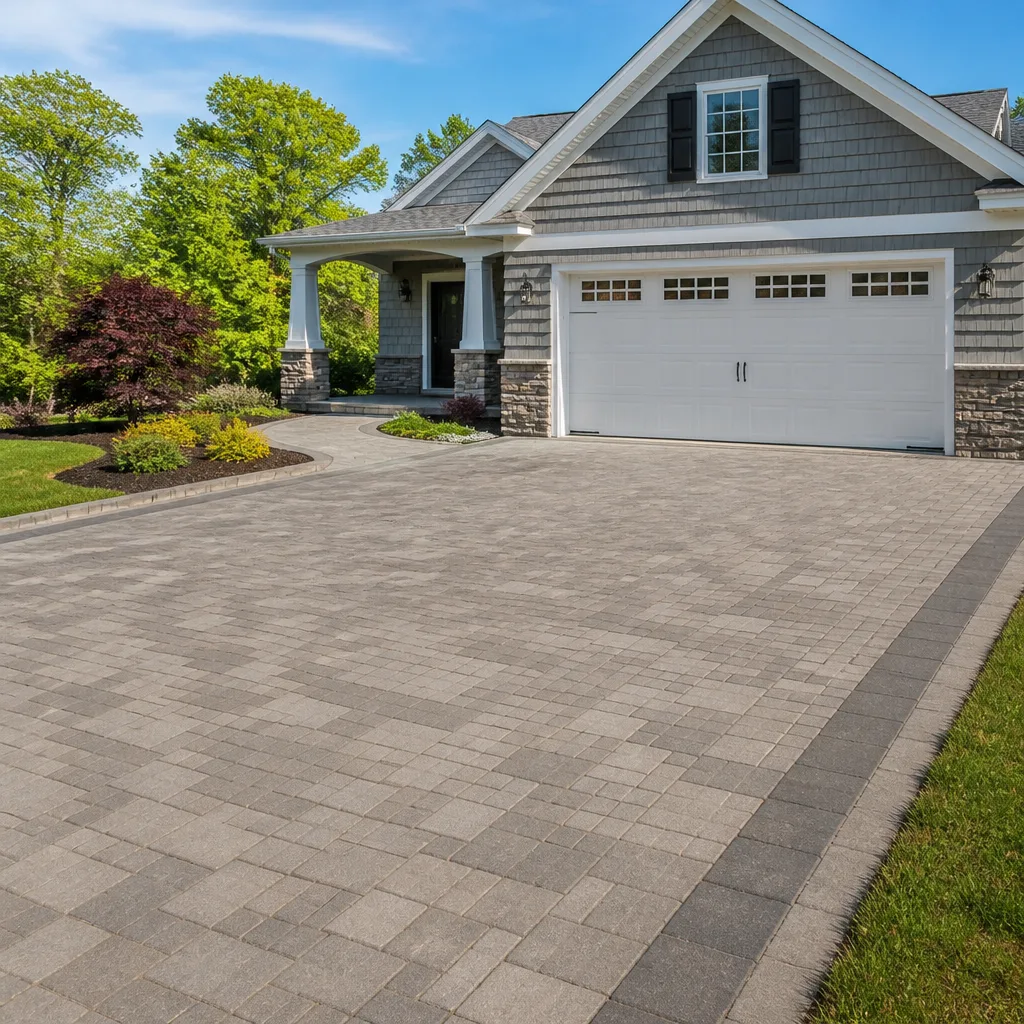 Driveway & pavers
 Fence
Free written scope consultation - allowances, timeline, and change-order rules on paper before a single trade is scheduled
How to Hire a Construction Contractor in Watsonville: A Step-by-Step Guide
Watsonville sits in a strange spot in the California construction market. The city has a deep bench of skilled tradespeople, but a large share of that workforce spends its days on agricultural buildings, packing facilities, and commercial cold storage – not residential kitchens and bathrooms. When a homeowner starts calling around for a remodel, they often find themselves sorting through contractors whose primary experience has nothing to do with the tile, cabinetry, and waterproofing work a house requires. This guide walks you through exactly how to separate residential general contractors from everyone else who carries the title, and how to structure the hiring decision so you’re protected before the first hammer swings. For a deeper dive, see The Complete General Contractor Guide for Watsonville Homeowners.
Quick Answer
To hire a construction contractor in Watsonville, start by verifying the contractor’s CSLB license number and confirming the classification matches your project type (B for general contracting, C-specialty for single-trade work). Then require a written scope-of-work document with a line-item bid before signing anything, cap your initial deposit at 10% or $1,000 (whichever is less) as required by California law, and confirm the contractor will pull permits under their own license – not yours. Finally, choose a single general contractor who manages the whole project rather than assembling multiple specialty subs yourself. Our Choosing the Right Construction Brand: A Buyer’s Guide for Watsonville explains what to look for in a local partner.
Styles & brands we work with
Table of Contents
- Step 1: Verify the License (and the Classification)
- Step 2: Check the Bond, Insurance, and Workers’ Comp
- Step 3: Get a Written Scope of Work, Not a Handshake
- Step 4: Read the Bid Line by Line
- Step 5: Hire One General Contractor, Not a Committee
- Step 6: Structure the Payment Schedule the Legal Way
- Step 7: Confirm Permits and Inspections Before You Sign
- Step 8: Recognize the Watsonville-Specific Red Flags
Step 1: Verify the License (and the Classification)
The first filter is the easiest to apply and the one most homeowners skip. California requires anyone performing construction work valued at $500 or more in labor and materials to hold a contractor’s license issued by the Contractors State License Board (CSLB). That’s the baseline. But in Watsonville, the baseline isn’t enough. The classification is where the meaningful vetting happens.
A Class B license authorizes general building contracting – the license type you want for a kitchen remodel, bathroom renovation, addition, or ADU. A Class C license covers specific trades: C-36 for plumbing, C-10 for electrical, C-54 for tile. The problem we’ve seen repeatedly in Watsonville is a contractor who holds one license classification quoting work outside that classification. A C-39 roofer quoting a bathroom remodel is not licensed for that project, and if something goes wrong, your legal position is significantly weaker.
How to verify a contractor in Watsonville
- Go to the CSLB website (cslb.ca.gov) and click “Check a License.”
- Enter the license number or the contractor’s name. Never rely on the number printed on a business card – enter it yourself.
- Confirm the license status says “Active.” A “Suspended” or “Expired” license means the contractor cannot legally work.
- Look at the classification field. For a remodel, addition, or ADU, you want Class B – General Building Contractor. For a single-trade job like roofing, the matching C specialty is acceptable.
- Check the license issue date. A license issued three months ago is not automatically disqualifying, but it should prompt you to ask what the contractor did before becoming licensed. In our experience, Watsonville’s agricultural market produces capable tradespeople who transition to residential work – but you want to see evidence they understand residential code, not just commercial building standards.
- Check for any active citations, suspensions in the license history, or judgments against the bond.
One clarifying point on person-level accountability: the license belongs to a specific individual (or qualifying individual for a corporation). Look up that person’s name, not just the company name. A company can change names while the responsible party remains the same – or a company can continue operating while its qualifier has left. The license information page shows the qualifying individual. That’s the person whose license is on the line for your project.
Step 2: Check the Bond, Insurance, and Workers’ Comp
California requires licensed contractors to carry a $25,000 contractor’s bond. That bond exists to protect you from specific violations: the contractor abandoning the job, failing to pay subcontractors, or violating state contracting law. It is not a warranty and it is not insurance. It caps out at $25,000, and on a mid-size remodel in Watsonville, $25,000 may not cover your exposure if the project goes sideways.
That’s why we look further. Ask for a certificate of general liability insurance with the contractor’s name on it – not the company’s parent entity, not a subcontractor’s policy, the actual contractor you’re hiring. The certificate should name you as an additionally insured party for the duration of your project. This is a one-page document. Any contractor who hesitates on this request is giving you a signal worth heeding.
Workers’ compensation insurance is equally non-negotiable. If the contractor has employees and one of them is injured on your property, workers’ comp is what protects you from liability. A contractor who claims to work alone is still a risk: if they fall off a ladder on your property, they can file a claim against your homeowners insurance. Ask to see a workers’ comp certificate. Some sole proprietors are exempt from carrying it, but those contractors should carry their own health insurance. At minimum, have the conversation.
Step 3: Get a Written Scope of Work, Not a Handshake
The most common dispute we hear about from Watsonville homeowners who have been burned goes something like this: “The contractor said the quote included the tile work, but then told me that was extra.” Verbal scope conversations dissolve. A written scope of work is the document that holds the project together.
A legitimate scope of work is specific. It reads like this: “Remove existing bathtub, wall tile, and flooring in master bathroom. Install Schluter waterproofing membrane on shower walls and floor. Supply and install 12×24 porcelain tile on shower walls and floor. Supply and install Kohler Archer tub. Connect existing plumbing and repair any drywall damage to a Level 4 finish.” It does not read like this: “Remodel master bathroom per discussion.” The first version tells you what you’re buying. The second tells you what the contractor remembers, which may not match what you remember.
Why scope-of-work documents matter more in Watsonville
Watsonville’s contractor pool includes people who quote residential work using habits formed on agricultural and commercial projects. On a commercial job, a written scope is often handled by a project manager or architect. On a residential job, that layer doesn’t exist. If your contractor is new to residential, they may not automatically produce the level of documentation a homeowner needs. That doesn’t make them a bad contractor, but it does mean you have to insist on it.
Ask for a line-item scope that breaks the project into phases: demolition, rough framing, plumbing, electrical, drywall, tile, cabinetry, painting, finish work. Each phase should have its own materials list and its own dollar value. When the scope is organized this way, you can see where the money is going – and you can hold the contractor accountable to the document, not to a memory of a conversation.
Step 4: Read the Bid Line by Line
A bid is not a scope of work. The bid is the price; the scope is the work. You need both, and you need them to be consistent. The moment a bid contains a lump sum with no breakdown – “Kitchen remodel: $85,000” – you’ve lost the ability to evaluate anything. You can’t tell if the cabinets are KraftMaid or off-brand. You can’t tell if the countertops are Cambria quartz or builder-grade laminate. You can’t tell if the electrical work includes upgrading the panel or just replacing outlets.
We’ve become convinced that the line-item bid is the single strongest indicator of a professional contractor. When a contractor shows you a bid broken into materials, labor, permits, and overhead by phase, you’re looking at someone who has done this enough to know what it actually costs. When a contractor hands you a single number on a business card, you’re looking at someone who either doesn’t know their costs or doesn’t want you to know them.
The line-item bid, explained
- Materials. This should name specific brands and models, or at minimum give a specification: “KraftMaid cabinetry, shaker doors, maple, painted finish” rather than “cabinets.” If the bid says “GAF shingles” that means something specific. If it says “roofing material,” it means nothing.
- Labor. Labor should be broken out by trade or by phase. If it’s lumped, ask why.
- Permits and fees. City of Watsonville building permit fees, plan check fees, and any school or impact fees should appear as a line item. If the contractor says permits are “included” but there’s no line item, find out what they’re actually including.
- Overhead and profit. A legitimate contractor charges for this. If it’s missing, the contractor is either underbidding (which means change orders later) or hiding margin inside inflated material numbers.
- Allowances. Some bids include allowances for fixtures, tile, or cabinetry that have not yet been selected. Treat allowances with suspicion. If the allowance is $500 for a shower fixture, you should know what shower fixtures actually cost – and in our experience, $500 doesn’t buy a Grohe thermostatic valve. Push to have allowances replaced with real specifications before you sign.
Note that a bid from a contractor is not the same as a bid from a sub. When you assemble your own team of specialty subs in Watsonville, each sub bids their own scope and you’re the one coordinating. One of the less understood advantages of a single general contractor is that you get one bid covering every trade – and one document to hold against one person if a price comes in differently than expected.
Step 5: Hire One General Contractor, Not a Committee
Homeowners sometimes decide to save money by acting as their own general contractor: they hire a plumber, an electrician, a tile setter, a drywall crew, and a painter, and they manage the schedule themselves. In Watsonville, this is a path with real risks. The trades will pass blame to each other. The plumber will say the tile setter cracked the pipe. The tile setter will say the plumber set the rough-in wrong. The drywall crew will say the framing wasn’t square. You will be standing in the middle, holding a phone, trying to adjudicate disputes in trades you don’t fully understand.
The single-GC model changes your legal and practical position in two ways. First, you have one contract with one licensed party. When an inspection fails, it’s their license on the line, their relationship with the inspector, and their job to fix it. Second, the GC carries the coordination burden: scheduling trades in the right order, checking the work between phases, and making sure the Schluter membrane goes in before the tile, not after. Those behind-the-wall details are where residential remodels live or die. We’ve been behind enough torn-out shower walls to know that most waterproofing failures are not material failures – they’re sequencing failures.
The coordination gap is the hidden cost of the multi-sub approach, and it’s not on any invoice. It shows up as a project that takes nine months instead of six, a bathroom that leaks after two years, a kitchen where the cabinets and the countertop template don’t match. One contractor. Every trade. It’s not just a slogan in our world – it’s how liability works.
For homeowners who want access to a broad range of material brands without having to coordinate multiple suppliers, a general contractor with manufacturer partnerships becomes the single point of contact for the entire material chain. That breadth matters. We’ve worked with homeowners selecting a CertainTeed roof in the same week they finalize Owens Corning insulation and a GAF accessory system – conversations that simply don’t happen with a roofer-only crew.
Step 6: Structure the Payment Schedule the Legal Way
California law caps the initial deposit on a home improvement contract at 10% of the total project price or $1,000, whichever is less. This is not a guideline, and it is not negotiable by the contractor. A contractor who asks for more than 10% upfront is either unfamiliar with California contracting law or willing to break it. Neither is a good sign.
After the initial deposit, payments should be tied to completed milestones: rough-in inspection passed, drywall hung, cabinets delivered, final inspection passed. Never pay for work that hasn’t been done. Any contractor with healthy cash flow should be able to carry their own labor and material costs until a milestone is reached. A contractor who needs large upfront money to “buy materials” is often using your deposit to finish someone else’s project – a pattern we’ve seen in Watsonville’s mixed contractor market more than once.
A legitimate payment schedule looks like this
- 10% or $1,000 at contract signing (the legal maximum).
- 20-25% at completion of demolition and rough framing, after inspection.
- 20-25% at completion of rough electrical, plumbing, and mechanical, after inspection.
- 20-25% at drywall completion and cabinet installation.
- Remaining balance after final inspection and punch-list completion.
A schedule like this keeps the contractor’s compensation tied to verifiable progress. It also keeps the contractor’s incentive aligned with yours: they get paid when the work passes inspection, not before. Any contractor who insists on a different structure should be able to explain exactly why, and the explanation should make sense to you if it’s going to be accepted.
Step 7: Confirm Permits and Inspections Before You Sign
The City of Watsonville requires building permits for virtually all construction beyond cosmetic work: remodels that move walls, alter plumbing or electrical, replace roofs, build additions, or construct ADUs. Unpermitted work is not a victimless shortcut. It can void your homeowners insurance, complicate a future sale, and leave you with a code violation you didn’t know you had. Buyers, appraisers, and title companies in Santa Cruz County are checking for unpermitted work with increasing regularity.
Before you sign a contract, ask the contractor who will pull the permits. The answer should be: “I will, under my license number.” That says the contractor is taking responsibility for the work’s code compliance. If a contractor suggests pulling permits under your name as the owner-builder, understand what that means: you become the general contractor of record. You’re responsible for the work legally, you’re responsible for the workers’ safety, and you’re on the hook if the project isn’t built to code. Some homeowners accept this arrangement to avoid the contractor’s markup on permits. We advise against it. The owner-builder path has its place for very small projects and experienced DIYers, but for a mid-size or large remodel in Watsonville, it transfers risk from the contractor to you in a way that’s rarely worth the savings.
Ask too about inspections: which inspections will happen, when, and who schedules them. A professional contractor can tell you the inspection sequence for your specific project without hesitating. In Watsonville, inspections are managed through the city’s Building Division, and the inspector will look at everything from footing depth to nailing patterns to waterproofing membrane installation. A contractor who can’t name the inspections is a contractor who hasn’t done permitted work in this city.
Step 8: Recognize the Watsonville-Specific Red Flags
Every market has its own failure patterns, and Watsonville’s agricultural-heavy contractor pool creates a few that are worth naming directly.
- The site-visit-free quote. In our experience, any contractor who quotes a remodel without walking your property is guessing. In Watsonville, where housing stock ranges from 1920s bungalows to 1990s suburban ranches, foundation condition, framing type, and existing electrical service vary wildly from block to block. A quote given over the phone is not a bid; it’s a placeholder.
- The lump-sum bid with no line items. We covered this above, but it’s worth repeating for the readers who skipped to this section: a single number with no breakdown tells you nothing about what you’re buying and leaves the door open for change orders.
- Pressure to start before permits clear. A contractor who says “we can start Monday and pull the permit after” is asking you to accept unpermitted work. The permit comes first. The reason for urgency is usually a hole in the contractor’s schedule, not a benefit to you.
- Agricultural-project references presented as residential experience. A contractor who shows you a portfolio of packing sheds, field offices, and commercial cold storage may be a fine commercial builder. They are not automatically a residential remodeler. Ask for residential-specific references in Watsonville or the surrounding communities: kitchen remodels, bathroom remodels, additions, ADUs.
- A quote that’s dramatically lower than the others. We’ve watched homeowners in Watsonville choose a bid that undercut the field by 20-30%, and we’ve watched those same projects stall when the low bidder realized they’d forgotten the profit line. A bid that’s too low is a contractor who will make it up in change orders or a contractor who doesn’t know their own costs. Either way, it’s your problem.
- Material substitutions mid-project. The bid said Cambria, the delivered product says something else. The bid said KraftMaid cabinets, the boxes that show up are an internet brand. If the contractor tries to substitute without showing you the cost delta in writing, that’s a trust violation and usually a signal that more substitutions are coming.
Common Mistakes to Avoid
- Trusting the license number on a business card. Business cards lie. Look up the number yourself on the CSLB website, every time. A contractor who objects to this is giving you a reason not to hire them.
- Signing a contract with a vague scope. “Renovate kitchen per plan” is not a scope, it’s an invitation to argue later. Demand specifics before you sign.
- Paying for work that hasn’t been done. If the payment schedule says 50% upfront, the payment schedule is wrong. California caps the initial deposit at 10% or $1,000 for a reason.
- Acting as your own general contractor without realizing what that means. When you hire subs directly, you’re the GC. You’re responsible for scheduling, code compliance, and worker safety. Few Watsonville homeowners have the time or knowledge to do this well.
- Skipping the permit because it saves a few hundred dollars. Unpermitted work is the most expensive discount you’ll ever take. It can void insurance, scare off buyers, and require costly remediation when it’s discovered.
- Choosing a contractor based on price alone. In Watsonville’s mixed contractor market, the low bid is often a contractor who hasn’t priced the work correctly or hasn’t planned for the full scope. The middle bid from a contractor who showed you a line-item breakdown, answered your questions, and pulled permits correctly is usually the right choice.
- Not checking the license classification. A C-39 roofing license doesn’t authorize a bathroom remodel. Confirm the classification matches your project before you sign.
See the difference
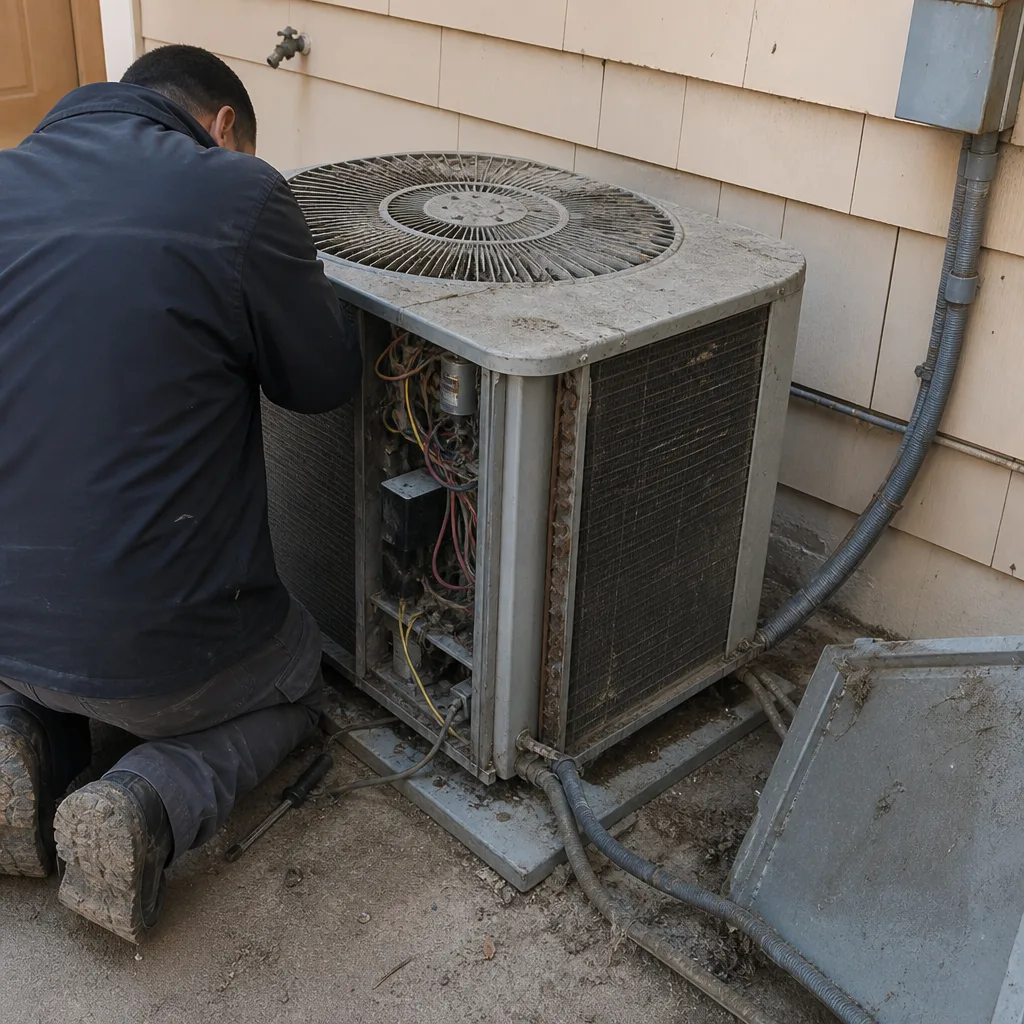 Before
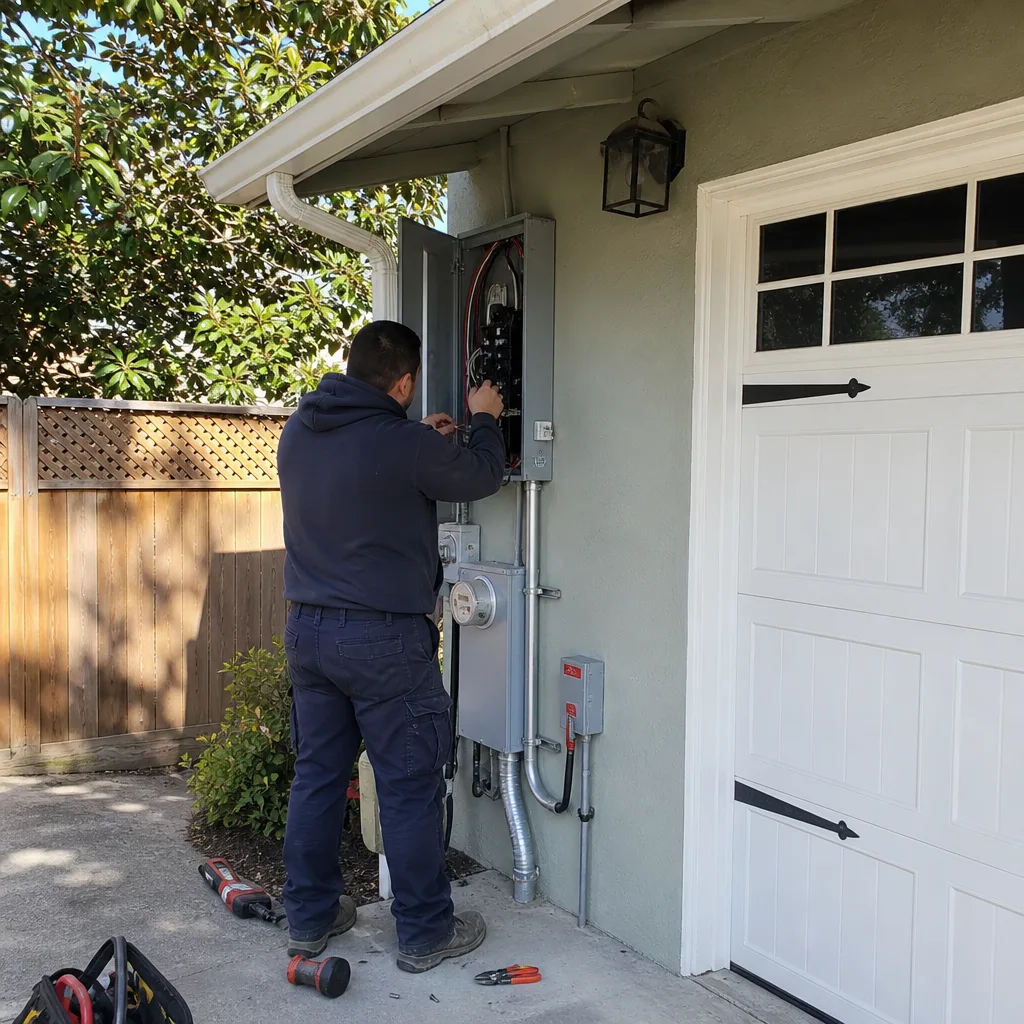 After
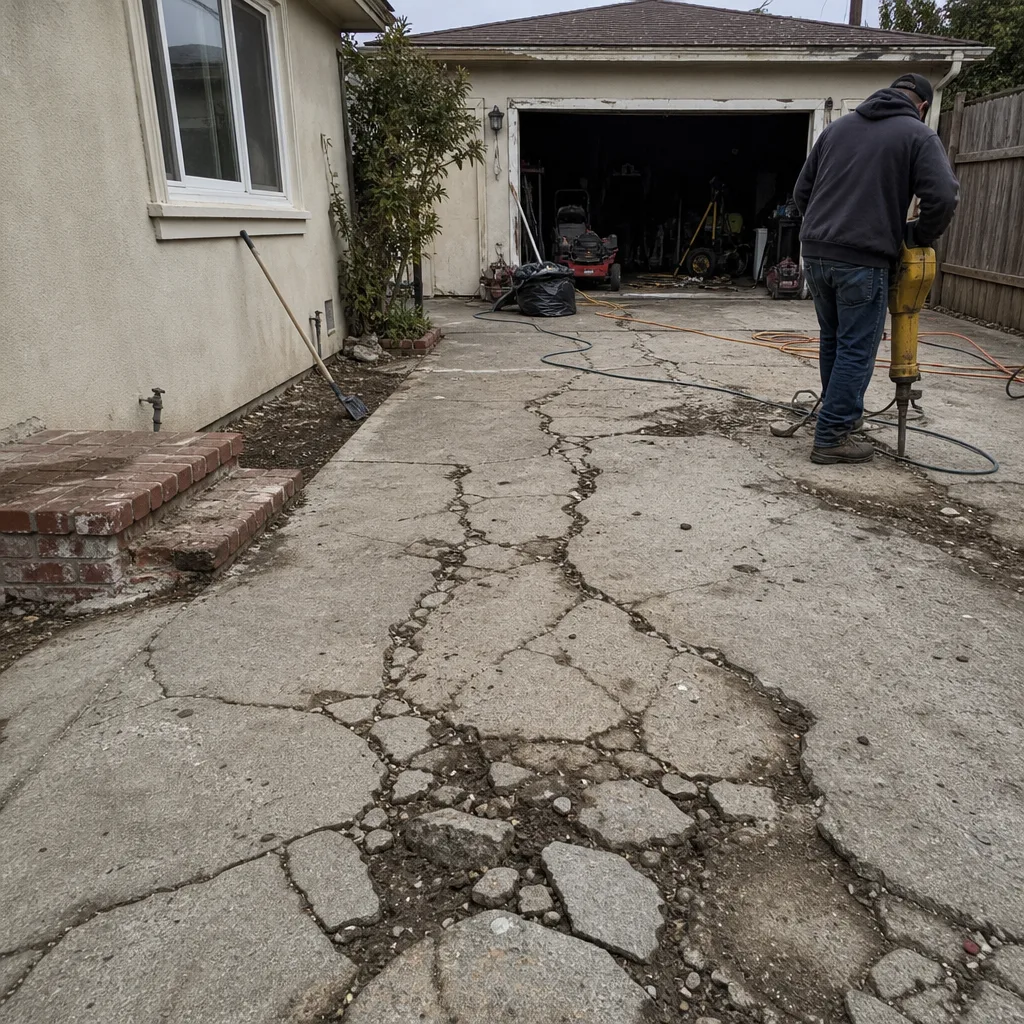 Before
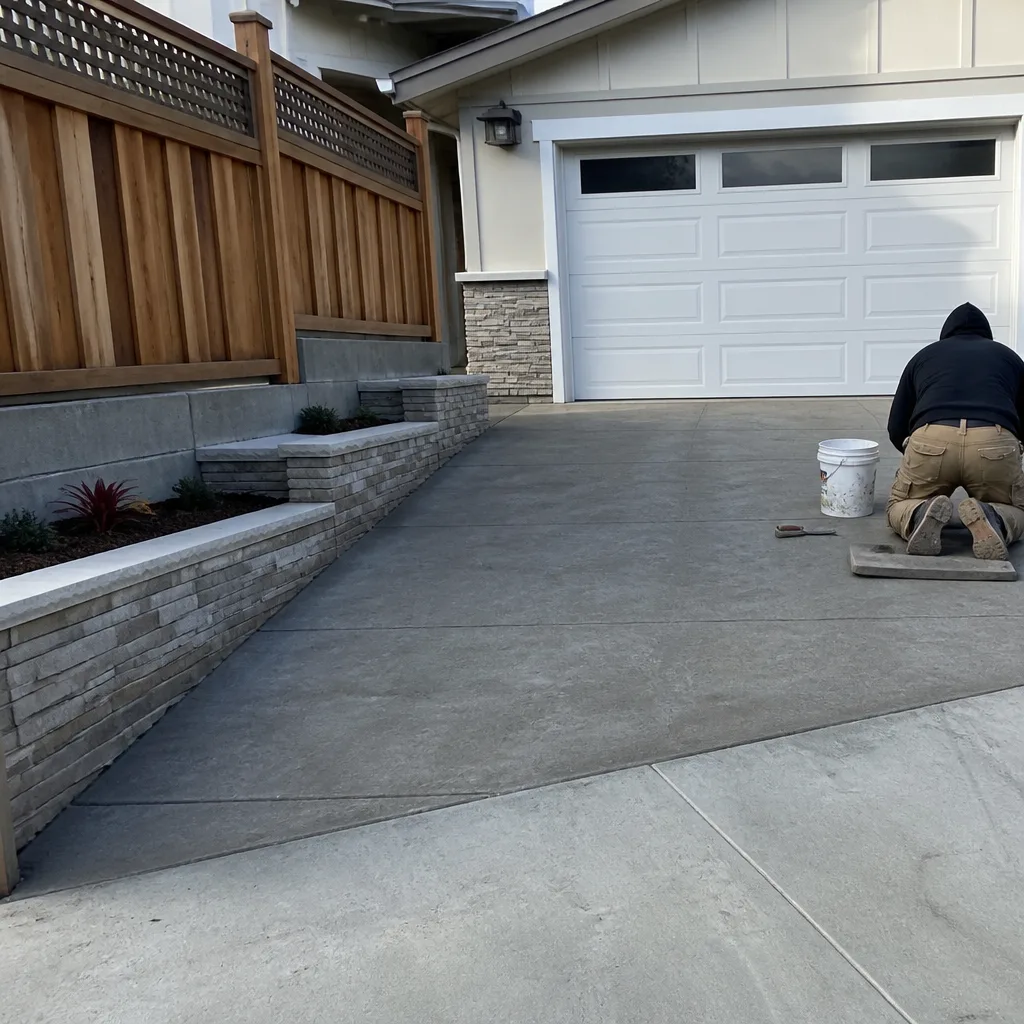 After
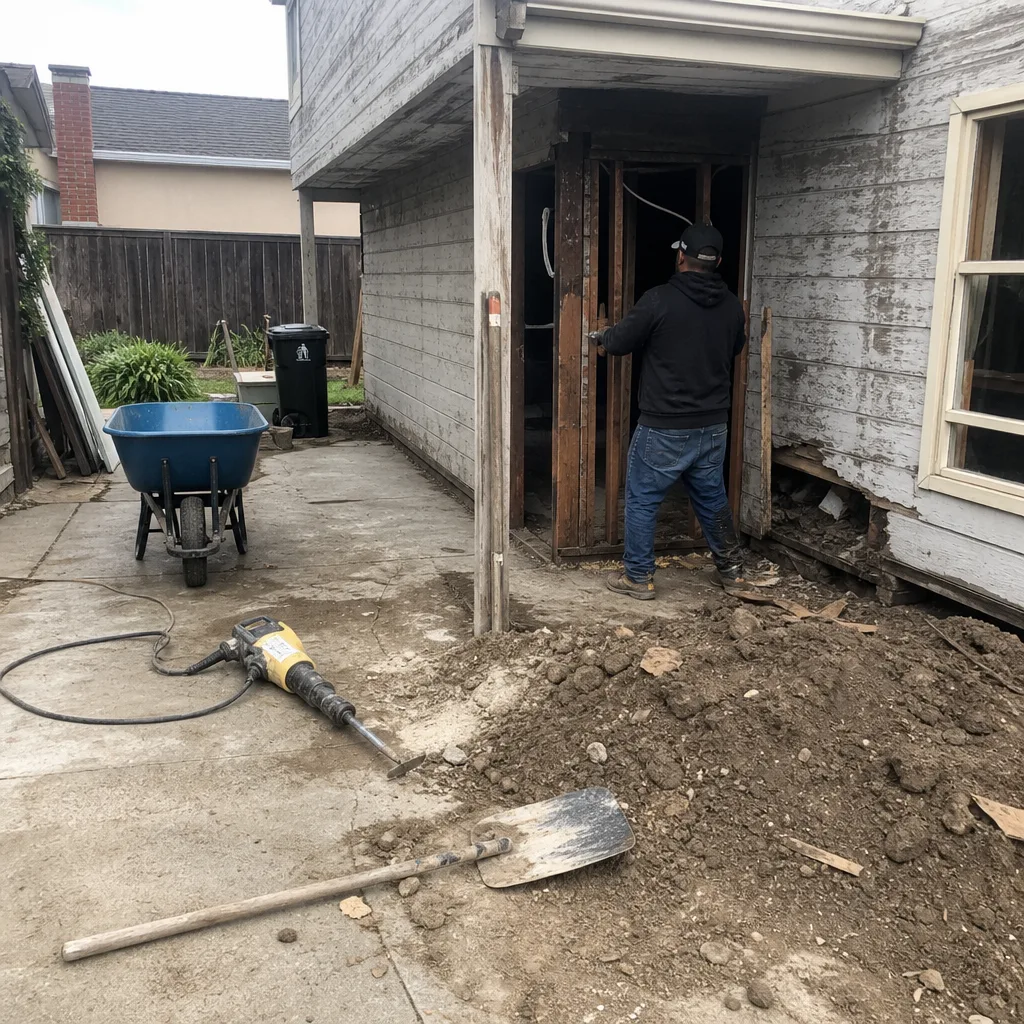 Before
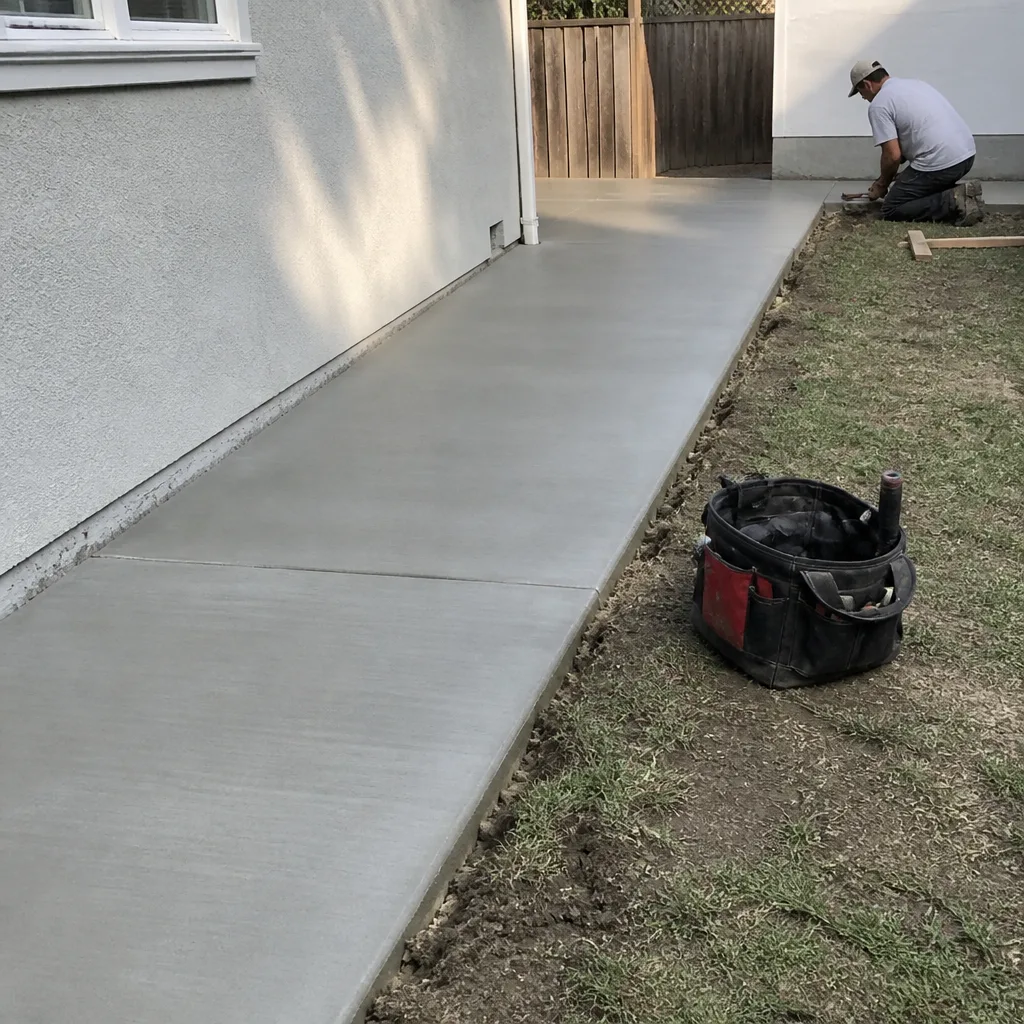 After
When to Call a Professional
Honestly, for most homeowners, the answer is: before you sign anything, not after. If you’ve read this far and feel unsure about any step – verifying a license, reading a bid, structuring a payment schedule – that’s the signal to bring in a professional who has done it before. We understand that some readers are here because a project has already gone sideways, and for you the answer is the same, just more urgent. Don’t sign a contract you don’t understand. Don’t accept a scope that isn’t specific. Don’t hand money to a contractor whose license you haven’t verified. Seaside Contractors offers free estimates in Watsonville, and we’re glad to walk through your project, answer your questions, and produce a written bid with the line-item detail we’ve described in this guide. Call (833) 589-8103 to schedule yours. You can also learn more about our approach on the Seaside Contractors home page.
Frequently Asked Questions
You check a contractor’s license through the CSLB website at cslb.ca.gov by entering the license number or the contractor’s name. The license record shows the status (Active, Suspended, Expired), the classification (B for general building, C-specialty for trades), the issue date, and any citations or bond claims. Call (833) 589-8103 if you want help interpreting what you find, and remember that a free estimate doesn’t obligate you to hire us.
California law caps the initial deposit on a home improvement contract at 10% of the total project price or $1,000, whichever is less. Any contractor asking for more than that upfront is breaking state law, and you should treat that as a disqualifying red flag. We structure our Watsonville projects with the legal maximum as the deposit and the rest tied to completed milestones.
For most remodels, additions, and ADUs, one general contractor is the better path. A single GC provides one contract, one point of accountability, one schedule, and one person responsible when an inspection fails. When you hire multiple specialty subcontractors yourself, you become the general contractor and inherit the coordination, scheduling, and liability responsibilities. For a parallel look at how full-scope general contracting works in practice, see our General Contractor in Foster City page, which covers the same model in an adjacent market.
Ask who will pull the permits, what the permit and inspection sequence will be, what the payment schedule looks like, whether there’s a written scope of work with line items, which specific material brands are specified, and for residential references in Watsonville. A contractor who can answer all of these without hesitation is worth your time. Another resource that addresses the same vetting process in a neighboring community is our Home Remodeling in Foster City guide.
Yes, if the project moves walls, alters plumbing or electrical systems, or changes the building’s structure, a City of Watsonville building permit is required. The contractor should pull the permit under their own license number. Be wary of anyone who suggests skipping the permit or starting work before the permit is issued. If you’re weighing whether a remodel or a more extensive renovation makes sense for your needs, our Home Renovation in Foster City page explains the difference between those scopes of work.
The local red flags include quoting without a site visit, presenting agricultural or commercial references as residential experience, pressuring you to start before permits clear, submitting a lump-sum bid with no breakdown, and asking for more than 10% upfront. Watsonville’s mixed contractor market makes these patterns more common here than in markets with a cleaner split between commercial and residential builders.
The Bottom Line
Hiring a contractor in Watsonville requires more active verification than you’d need in a market where every contractor works on houses and nothing else. Verify the license and the classification on the CSLB website. Require a written scope of work with line-item pricing. Cap your deposit at the legal maximum. Confirm the permits will be pulled under the contractor’s license. And choose a single general contractor who carries the coordination burden and the legal accountability, rather than assembling your own team of specialty subs. When you do that work up front, the construction phase gets simpler, not harder. When you skip it, the reverse is true, and the difference shows up in change orders, delays, and disputes that no one enjoys.
If you’re planning a remodel, addition, or ADU in Watsonville, we’d welcome the chance to walk through your project with you. You’ll get a free estimate, a written scope of work, and the same line-item clarity we’ve described in this guide. Call (833) 589-8103 to schedule yours.
Written by the team at Seaside Contractors, serving Watsonville since 2013. Explore more guides & resources on our blog.