
Last updated October 31, 2026
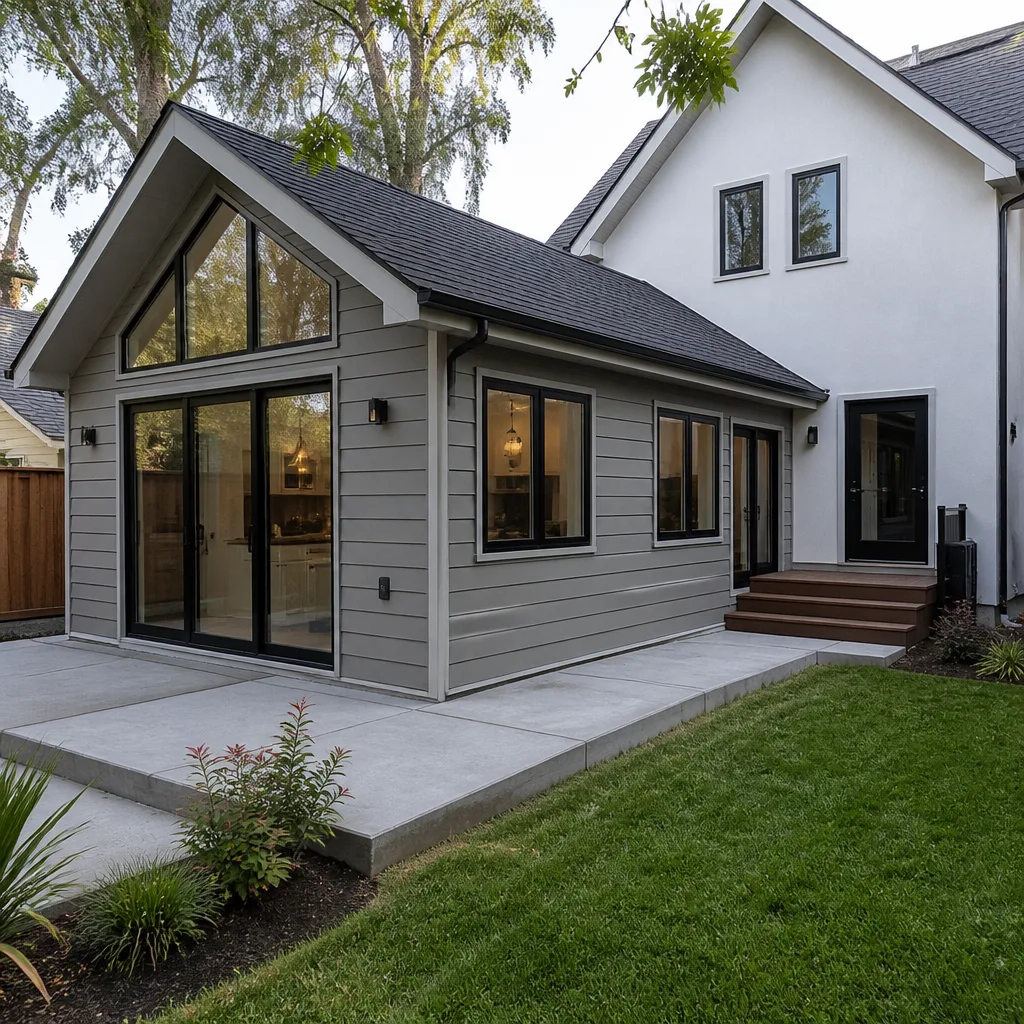 Home additions & ADU
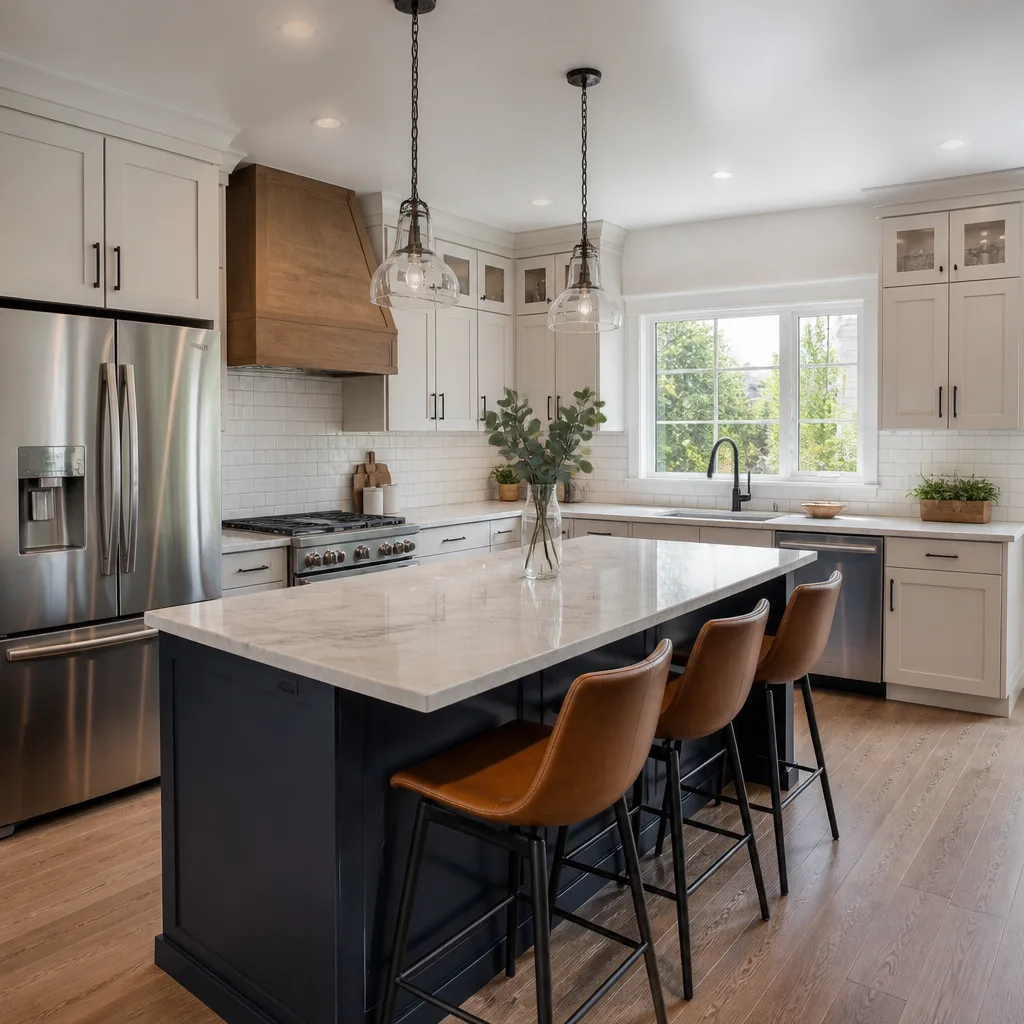 Kitchen remodeling
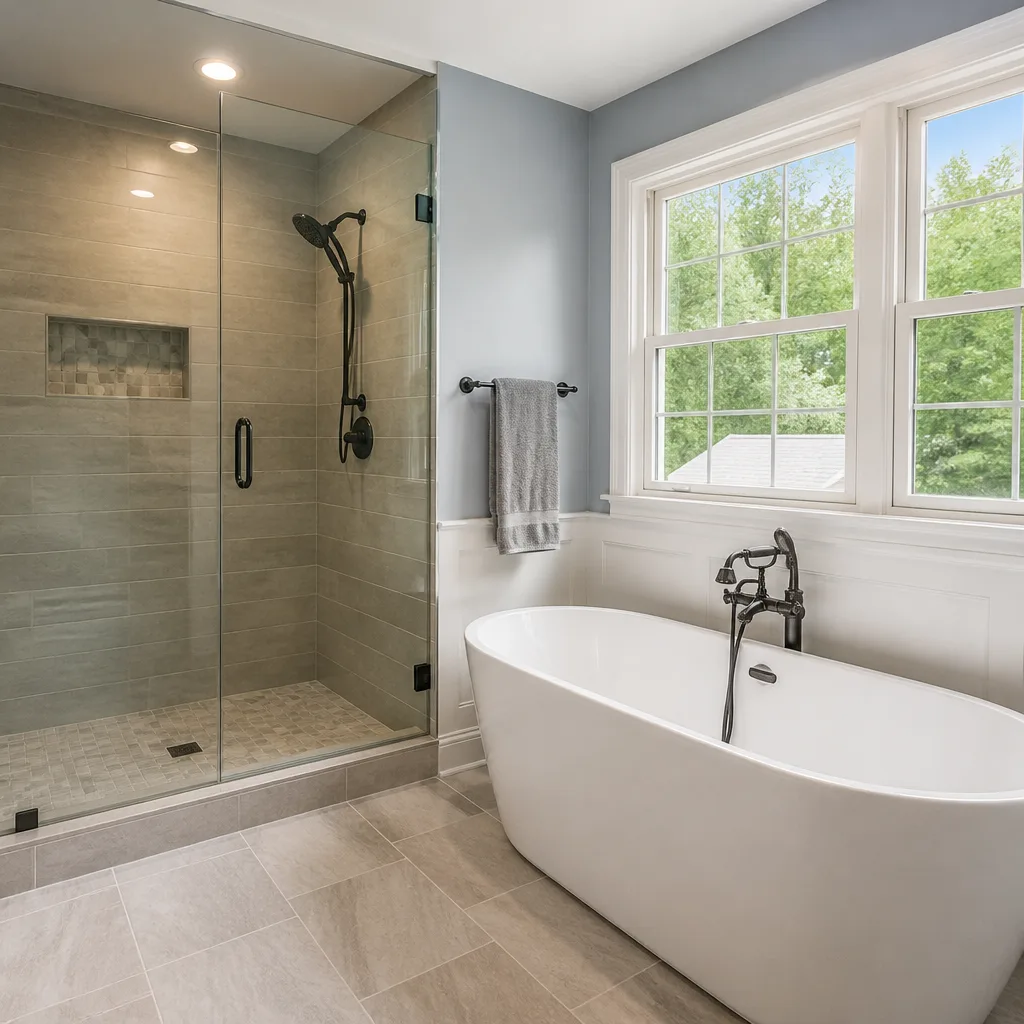 Bathroom remodeling
 Roofing
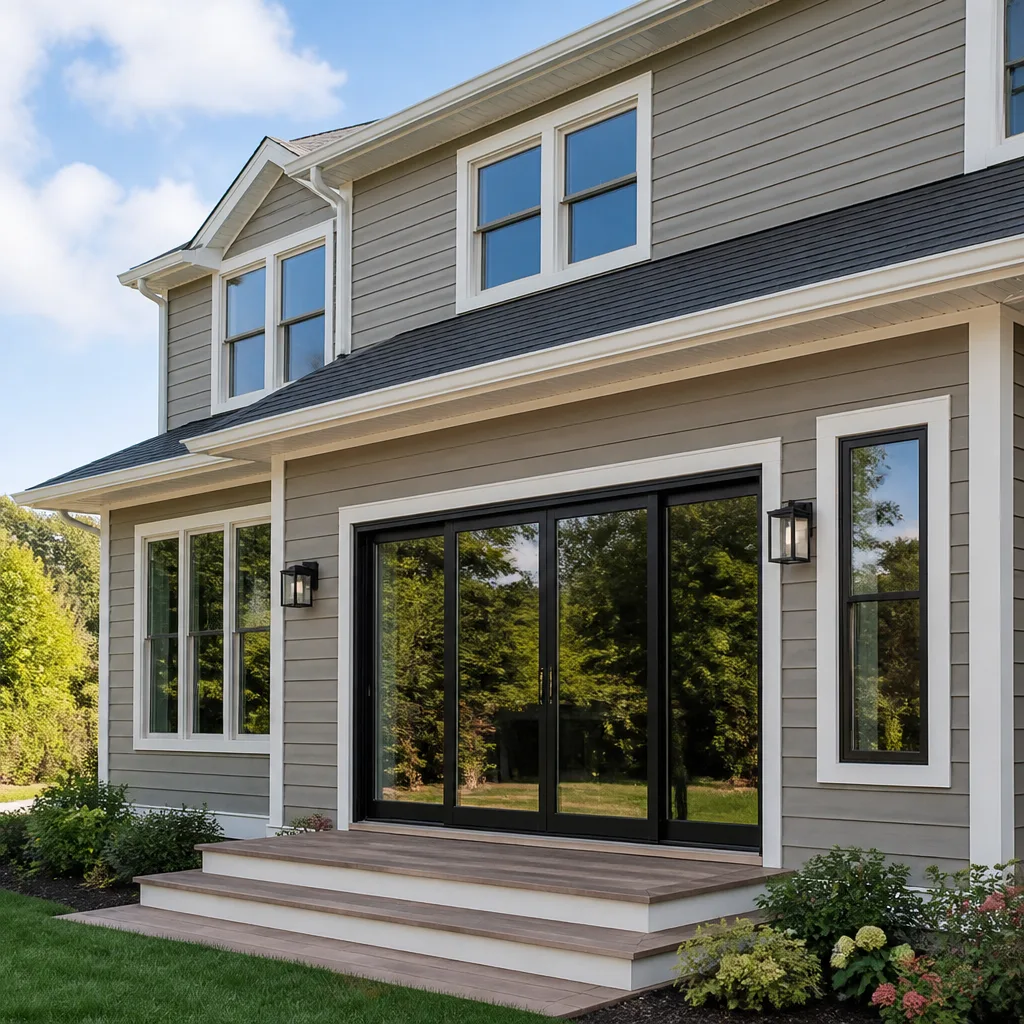 Windows & doors
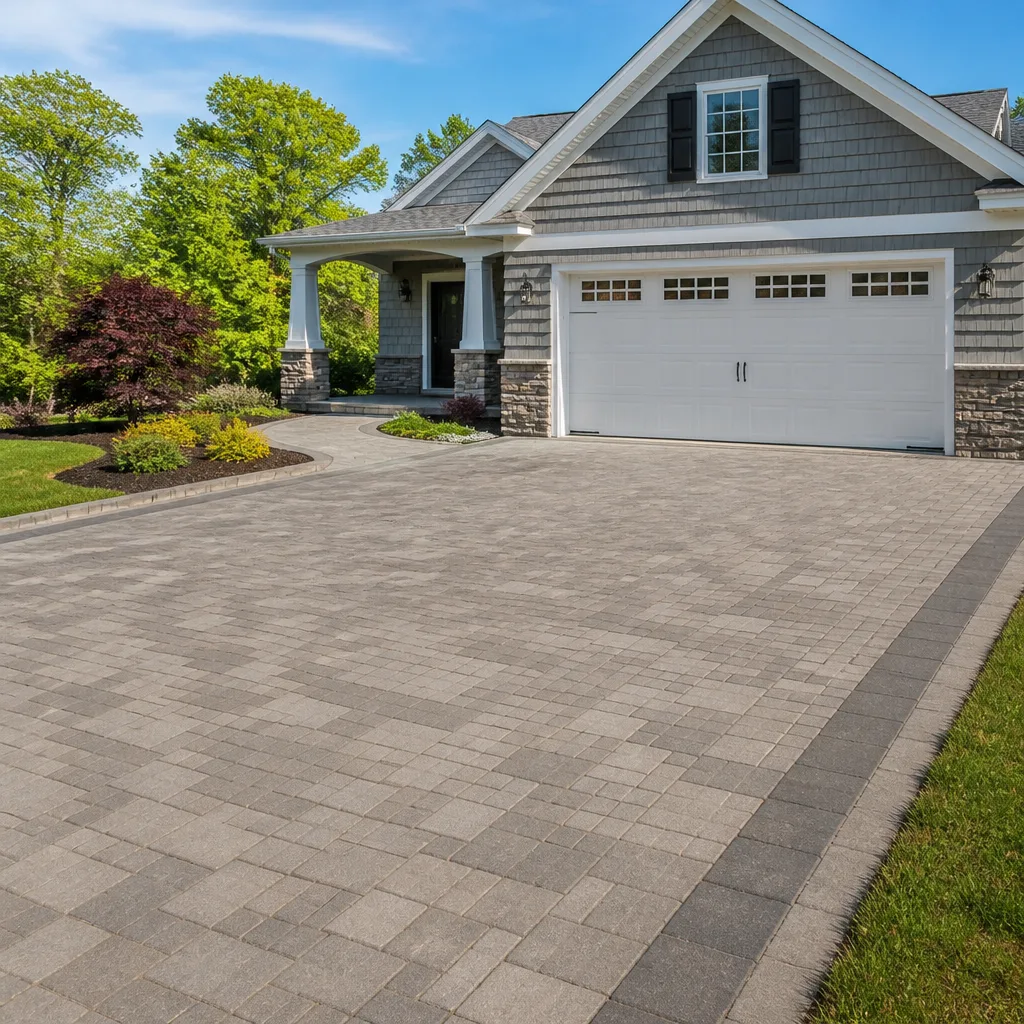 Driveway & pavers
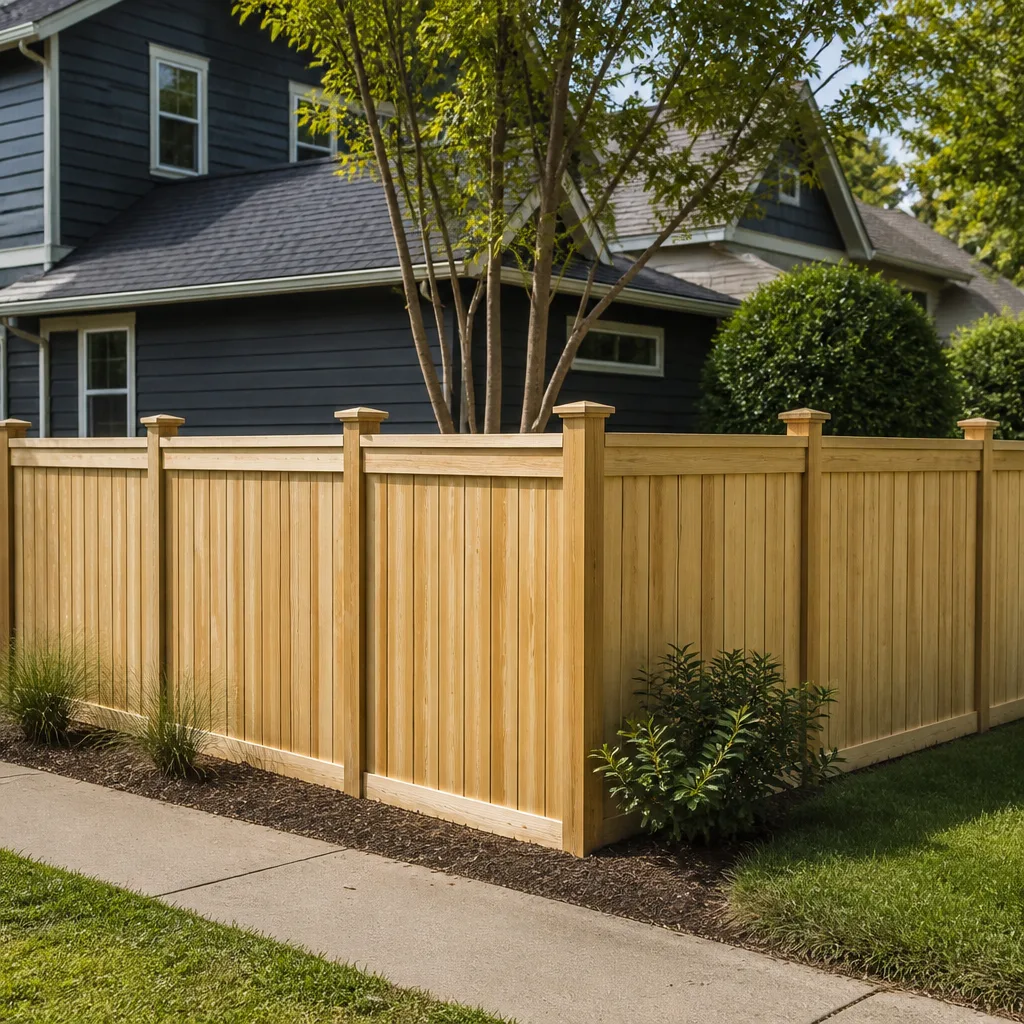 Fence
Free written scope consultation - allowances, timeline, and change-order rules on paper before a single trade is scheduled
DIY vs Professional Construction: The Watsonville Homeowner’s Decision Guide
Here’s a number most Watsonville homeowners never hear until it’s too late: California Business & Professions Code Section 7048 requires a licensed contractor for any construction project where combined labor and materials exceed $500. That’s not a typo. A single permitted bathroom vanity swap with new plumbing can cross that line. What this means in practice is that a large share of the DIY remodeling content on YouTube describes work that is technically illegal for a California homeowner to perform without an owner-builder permit, and that work can void the homeowner’s insurance policy on exactly the scope you’re not supposed to be doing. This guide draws the line honestly between what you can tackle in Watsonville, what you should never touch, and how to use a professional contractor strategically without handing over the entire project. For how to hire a construction contractor in Watsonville: a step-by-step guide, see our companion resource.
Quick Answer
For Watsonville homeowners, DIY is genuinely viable for interior painting, cabinet hardware, fixture swaps, and landscaping when no permit is required and the scope stays under $500 in combined materials and labor. Professional construction is the correct choice for roofing, electrical panel work, structural framing, and any project requiring a Santa Cruz County building permit, because California law, insurance exclusions, and coastal-climate failure modes make those projects legally and financially dangerous to self-perform. A hybrid model, where you perform selected finish work while a licensed general contractor manages permits, structure, and systems, is the most cost-effective legal path for mid-size remodels. If issues arise, our general contractor troubleshooting: common problems and how to fix them guide can help you understand what to expect.
Styles & brands we work with
Table of Contents
- What California Law Actually Says About DIY Construction
- Projects Where DIY Is Genuinely Viable in Watsonville
- Projects Where DIY Creates Compounding Liability
- The Real Cost Comparison: Labor, Materials, and Rework Risk
- The Owner-Builder Permit: What No One Tells You
- The Hybrid Model: Using a GC While Still Doing Some Work Yourself
- Watsonville-Specific Factors: Coastal Climate, Seismic Code, and Local Inspections
- Common Mistakes to Avoid
What California Law Actually Says About DIY Construction
The $500 threshold is the line most homeowners never see until a problem brings it up. California Business & Professions Code Section 7048 states that anyone performing construction work valued above $500 in combined labor and materials must hold a California contractor’s license. Below that line, a homeowner can legally perform most work on their own property without a license. Above it, you are legally required to either hire a licensed contractor or pull an owner-builder permit through Santa Cruz County.
The distinction matters in Watsonville because so many “small” projects cross the line quickly. A water heater replacement runs $900 to $2,200 installed. A single window replacement through PGT or Milgard runs $600 to $1,400 for the unit plus labor. A small deck repair with new joists and decking can cross $2,000 in materials alone. What starts as a weekend project becomes, in the eyes of the law, unlicensed contracting performed by the homeowner, which carries specific legal exposure.
The owner-builder exemption is real but narrower than most people assume. Here is what it actually allows:
- You may build or remodel your own primary residence if you complete an owner-builder declaration with Santa Cruz County.
- You assume full personal liability for the work, including code compliance, worker safety, and any defect that causes damage or injury, for a period defined by California’s statute of repose for construction defects.
- You cannot sell the property within one year of completing the work without a licensed contractor taking responsibility for the project.
- You are personally responsible for pulling all required permits, scheduling all inspections, and correcting any failed inspection items.
Insurance is the part most YouTube tutorials skip. A standard California homeowner’s policy contains a clause excluding coverage for damage caused by faulty workmanship performed by the homeowner. If you self-perform a water heater installation and it leaks through the ceiling, or you rewire a circuit and it arcs inside the wall, your insurer can deny the resulting damage claim. We see this pattern regularly in Watsonville: a homeowner saves $1,800 by doing it themselves, then faces a $14,000 uninsured repair. The math almost never works in your favor above the $500 threshold.
Projects Where DIY Is Genuinely Viable in Watsonville
None of this means you can’t touch your own house. Several categories of work sit comfortably below the legal and practical threshold. The key is that these projects are cosmetic, reversible, and don’t touch the systems or structure that keep your home standing and safe.
Interior painting is the safest DIY project for a Watsonville homeowner. Materials for a 1,200-square-foot home run $300 to $600 using quality paint like Sherwin-Williams or Benjamin Moore. No permit is required. The work is reversible if you don’t like the color. The only real failure mode is a bad tape line or a drop cloth mistake, and those are $50 fixes, not $15,000 fixes.
Cabinet hardware replacement is another genuinely safe project. Knobs and pulls from a brand like Delta or Moen run $3 to $18 each, and the entire job is a screwdriver and a template. Thirty minutes changes the kitchen. There is no code compliance issue, no permit requirement, and no hidden failure mode.
Fixture swaps stay DIY-viable as long as you’re not moving supply lines or drain locations. Swapping a Moen or Delta faucet in an existing sink, replacing a showerhead, or changing a light fixture that hangs from an existing electrical box are all below the threshold and low-risk. The moment you’re moving a drain line, opening a wall, or adding a new circuit, you’ve crossed into licensed-territory.
Landscaping that doesn’t involve hardscaping, drainage, or grade changes is entirely fine to DIY in Watsonville. Planting, mulching, irrigation repair using existing lines, and minor stone work all sit below the threshold and carry no structural consequence. Belgard pavers, by contrast, are a different category: installing a paver patio with proper base material and drainage is real construction, and a failed base shows up as heaving and pooling in the first Monterey Bay winter.
The scope limit for all of these: if the project requires you to open a wall, touch a wire, move a pipe, alter a roofline, or remove anything load-bearing, stop and call a licensed contractor.
Projects Where DIY Creates Compounding Liability
Some projects don’t just fail when done wrong; they create cascading damage that outstrips the original project cost several times over. These are the categories where Watsonville homeowners should never self-perform, regardless of skill level or YouTube confidence.
Roofing tops the list. A Watsonville roof endures a specific stress profile: morning fog that keeps shingles damp, afternoon sun that bakes them, salt air that accelerates metal fastener corrosion, and winter rain systems that arrive in multi-day sequences. A poorly flashed valley or an incorrect nailing pattern fails silently for months, then leaks during a sustained storm. By the time water shows on the ceiling, the deck sheathing is already rotting and you’re now repairing structure, insulation, and drywall on top of the roof itself. Roofing work through a contractor specifying GAF, CertainTeed, or Owens Corning materials carries manufacturer warranties that only apply when a licensed contractor performs the installation. DIY a roof and you own every future failure outright.
Electrical panel work is categorically not DIY, and this is a safety position, not a sales one. A modern 200-amp panel carries enough current to kill a person in under one second. Santa Cruz County enforces specific code compliance on panel replacements and circuit additions, and the inspection process exists because arc faults inside walls are the leading electrical cause of house fires. We will not frame this gently: any tutorial showing you how to replace a breaker or add a circuit without a licensed electrician is showing you how to put your family and your insurance policy at risk. This is the single highest-liability DIY category in California.
Structural framing follows a similar logic with slower failure. Removing a wall to open a kitchen is the classic example. Watsonville homes built before 1980 often have dimensional lumber framing that doesn’t match modern span tables. What looks like a non-load-bearing partition can be carrying attic load, and the failure mode isn’t immediate collapse but gradual sag, cracked drywall, and doors that stop closing over two or three years. By then, the $8,000 you saved on a header has become a $40,000 structural correction. Licensed contractors carry the engineering relationship with a California structural engineer, and that stamped design is what protects you when you eventually sell.
Anything requiring a Santa Cruz County permit is the broader bucket. Permitted work means an inspector will examine what was done. If you self-performed it and it fails, you personally correct it or you cannot legally occupy that portion of the home. The county can also flag the work in the property record, which becomes a title disclosure issue when you sell. A Home Remodeling in Foster City style full-scope contractor handles permits, schedules inspections, and carries correction responsibility through their license and bond. That accountability transfer is the single most valuable thing you buy when you hire a professional.
The Real Cost Comparison: Labor, Materials, and Rework Risk
Most DIY-vs-pro math in Watsonville starts and ends with labor cost. Contractor rates in Santa Cruz County run $85 to $140 per hour for licensed work, and a homeowner sees that number and concludes they’d save that entire amount by doing it themselves. That math is incomplete in three specific ways.
First, material costs. A licensed general contractor buying through established account relationships pays 15 to 30 percent less than retail walk-in pricing at most suppliers. That applies to framing lumber, drywall, tile, roofing, and virtually every finish material. For a kitchen remodel with $28,000 in materials, a contractor’s buying power can save $4,200 to $8,400 against retail pricing. Your “labor savings” gets eaten before you start.
Second, warranty coverage. Manufacturer warranties on most building products are written with language requiring installation by a licensed professional. This includes asphalt shingles, window units, water heaters, and most plumbing fixtures. A Kohler, Moen, or American Standard faucet installed by a homeowner carries no manufacturer defect protection. A faucet installed by a licensed contractor carries the full warranty term. Over a 5- to 10-year ownership window, that coverage is worth hundreds or thousands per fixture replacement.
Third, and most expensive, is rework risk. The industry-standard estimate for DIY rework cost is one and a half to three times the original project cost. A homeowner who self-performs a shower waterproofing and gets it wrong doesn’t just pay for the tile again. They pay for demolition, mold remediation if the leak ran unnoticed, subfloor replacement, new waterproofing, new tile, and all the labor at contractor rates because now they can’t afford to try again. Here is what that comparison actually looks like on a typical Watsonville bathroom:
| Cost Category | DIY Estimate | Licensed Contractor |
|---|---|---|
| Materials (retail vs trade pricing) | $7,500 | $5,600 |
| Labor | $0 | $9,200 |
| Permits and inspections | $850 (owner-builder) | Included |
| Manufacturer warranties | Not applicable | Full coverage |
| Rework contingency (industry average 1.5x) | Up to $11,250 | $0 (contractor warranty) |
| Final cost | $8,350 to $19,600 | $14,800 |
The DIY range is wider because the risk is entirely yours. The contractor figure is fixed. For a $15,000 bathroom remodel, the professional path costs about the same as the midpoint of the DIY outcome, and you get warranty coverage, code compliance, and a single accountable party instead of a stack of personal risk.
The Owner-Builder Permit: What No One Tells You
The owner-builder path sits between DIY and hiring a full-service Seaside Contractors home general contractor. It’s legal, it’s real, and for some Watsonville homeowners it’s the right tool. It also carries consequences that most guides skip.
An owner-builder permit through Santa Cruz County lets you act as the general contractor on your own primary residence. You pull permits, schedule inspections, hire or manage subcontractors, and accept legal responsibility for the entire project. Here is the step-by-step reality of that process:
- Complete the owner-builder declaration at the Santa Cruz County Building Department, confirming the property is your primary residence and you intend to occupy it after completion.
- Pull all required permits: building, electrical, plumbing, and mechanical, depending on scope.
- Hire and manage any specialty subcontractors needed, or self-perform each trade yourself.
- Schedule and pass each inspection phase through the county.
- If you sell the home within one year of completion, a licensed contractor must assume responsibility for the work, which effectively means paying a contractor to re-inspect and sign off on work they didn’t perform. Most won’t.
The legal reality of being an owner-builder: if a worker you hire is injured on your property and you don’t have a contractor’s license, you are personally liable for their medical costs and lost wages under California labor law. Licensed contractors carry workers’ compensation insurance specifically for this. Your homeowner’s policy does not cover workers on a construction site, and most policies require a rider for any construction activity beyond cosmetic updates.
The owner-builder path makes sense for a specific Watsonville homeowner: someone with genuine construction experience, plenty of time, and a small enough project that the permit process won’t consume them. For everyone else, the value of a licensed general contractor managing permits, inspections, and subcontractor insurance is the cheapest insurance you’ll ever buy on a five-figure project.
The Hybrid Model: Using a GC While Still Doing Some Work Yourself
Most Watsonville homeowners don’t want to hand over every single item to a contractor, and they shouldn’t have to. The hybrid model, where a licensed general contractor manages the permitted scope while the homeowner performs clearly defined finish work, is legal, increasingly common, and the most cost-effective path for mid-size remodels.
Here’s how a typical hybrid arrangement works on a kitchen remodel. Seaside Contractors, working as the licensed GC, pulls permits, frames the structural changes, moves plumbing and electrical, installs the cabinets and countertops, and schedules all inspections. You, the homeowner, handle the interior painting, install the cabinet hardware, hang the window treatments, and do the punch-list items that don’t require a license or a permit.
- Define the split before the project starts. Write down which specific tasks the homeowner will perform and which the GC will perform. Put it in the contract. Ambiguity creates disputes mid-project.
- Sequence the work so the homeowner’s scope doesn’t interfere with inspections. Painting happens after drywall inspection. Hardware installation happens after cabinet installation. You don’t want your work blocking a required inspection, which delays the project for everyone.
- Confirm with your insurer that the contractor’s coverage applies to the GC-managed scope, and understand that your own scope is your own risk. This is the line that keeps the hybrid model legal and clear.
- Set a written deadline for the homeowner’s scope. A project stalls when the contractor is waiting on the homeowner to finish painting. A 14-day window for your portion keeps the schedule moving.
The hybrid model keeps you legal because the licensed contractor carries the permit and the responsibility for the work that requires it. You perform only the cosmetic work that sits below the legal threshold. You get meaningful labor savings, and your project keeps a single point of accountability for the part that matters: structure, systems, and code compliance. A General Contractor in Foster City style full-scope team can structure a hybrid arrangement cleanly, but the principle works with any licensed Watsonville-area GC.
Watsonville-Specific Factors: Coastal Climate, Seismic Code, and Local Inspections
Watsonville sits in a specific microclimate that DIY content written for Sacramento or Phoenix simply doesn’t account for. The Monterey Bay marine layer keeps morning humidity high, which means untreated lumber and unprotected fasteners corrode faster than inland. Salt air travels a mile or more inland from the coast in the prevailing wind, accelerating corrosion on exterior metal components. And Watsonville sits in a significant seismic zone, with the San Andreas Fault running just east of the city through the Santa Cruz Mountains.
Coastal climate changes material selection in specific ways. Exterior fasteners must be hot-dipped galvanized or stainless, not electroplated. Exterior wood needs either pressure treatment or a high-grade exterior paint with a solid maintenance schedule. James Hardie siding performs well in this environment because it’s cement-based and doesn’t absorb moisture like wood, but it requires correct installation with proper flashing, or the weather-resistive barrier behind it fails silently. A contractor who works the Monterey Bay climate daily knows which products survive and which fail in five years.
Seismic code is not optional in Watsonville. California Building Code seismic requirements apply to every structural change, and Santa Cruz County enforces them through inspection. That means shear wall panels, hold-down bolts, and specific nailing patterns on any wall you open or modify. The 1989 Loma Prieta earthquake, which affected Watsonville heavily, is the reason these codes exist. A homeowner who opens a load-bearing wall without seismic-rated reinforcement is not just risking a sag; they’re risking catastrophic failure in the next significant quake.
Local inspections in Santa Cruz County are thorough and specific. The building department reviews plans for code compliance before issuing permits, and field inspectors check work at multiple phases. If self-performed work fails, the correction cycle is on your clock and your budget. A licensed contractor with experience in Santa Cruz County inspection requirements knows what’s checked, how it’s checked, and builds to that standard the first time.
Watsonville’s older housing stock adds another layer. Homes built before 1980 in the downtown and surrounding neighborhoods often have framing, electrical, and plumbing that hasn’t been touched since original construction. What looks like a simple fixture swap can reveal knob-and-tube wiring, cast-iron drain lines, or dimensional lumber that doesn’t match modern span tables. That’s the moment a $400 project becomes a $6,000 project, and it’s the moment a licensed contractor’s experience becomes the cheapest item on the invoice.
Common Mistakes to Avoid
- Assuming the $500 threshold doesn’t apply to you. It applies to every California homeowner, and Watsonville is no exception. If your project crosses it, you need a licensed contractor or an owner-builder permit. Assuming otherwise is a legal exposure, not a calculation error.
- Trusting YouTube tutorials made for unregulated states. A video made by a homeowner in Texas or Arizona wasn’t filmed under California’s seismic codes, coastal climate conditions, or licensing requirements. What’s legal there is not legal here.
- Skipping permits to avoid inspection delays. Watsonville home sales require disclosure of unpermitted work, and Santa Cruz County can flag unpermitted construction during any subsequent permitted project. The saved weeks on the front end become months of correction and thousands in fines on the back end.
- Underestimating material costs at retail pricing. Walking into a Watsonville home center with a shopping list for a $20,000 project means paying 15 to 30 percent more than a licensed contractor with trade accounts. That spread alone often covers a meaningful share of professional labor.
- Starting demolition before confirming what’s inside the wall. Watsonville’s pre-1980 housing stock hides knob-and-tube wiring, cast-iron plumbing, and non-standard framing. Opening a wall without knowing what’s behind it converts a planned $1,500 project into an unplanned $8,000 surprise.
- Doing electrical work regardless of skill level. This cannot be overstated. A wire in the wrong position is not a skill gap; it’s a fire hazard. If the job requires opening an electrical panel or adding a circuit, hire a licensed electrician through a licensed contractor. There is no DIY version of this that is worth the risk.
- Assuming your homeowner’s insurance covers DIY workmanship. Read the policy language. Most California policies contain explicit exclusions for damage caused by faulty work performed by the homeowner. That leak from your DIY shower waterproofing is, in most cases, entirely on you.
When to Call a Professional
Call a licensed contractor when the project requires a permit, touches electrical or plumbing systems, alters structure, involves roofing, or exceeds $500 in combined labor and materials. Call when you don’t have the time to manage the permit and inspection process yourself, because that process is real work and it doesn’t pause for your day job. Call when the failure mode of a mistake is not a bad paint job but a flooded ceiling, a house fire, or an unsafe structure. And call when you want one accountable party rather than a patchwork of your own risk. Home Renovation in Foster City clients often assume their situation is unique, but the decision framework is the same: if the failure is expensive, licensed work is cheap by comparison. Seaside Contractors offers free estimates in Watsonville. Call (833) 589-8103 to schedule yours.
See the difference
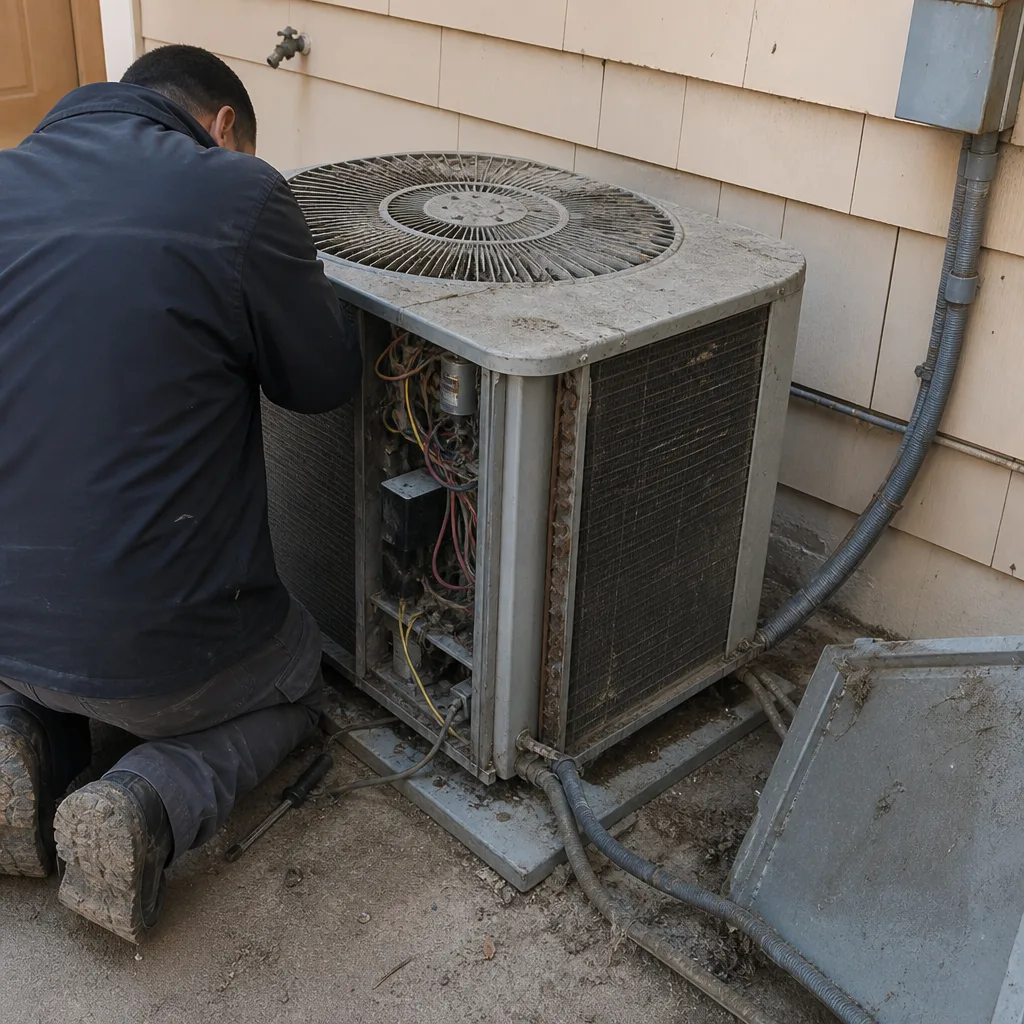 Before
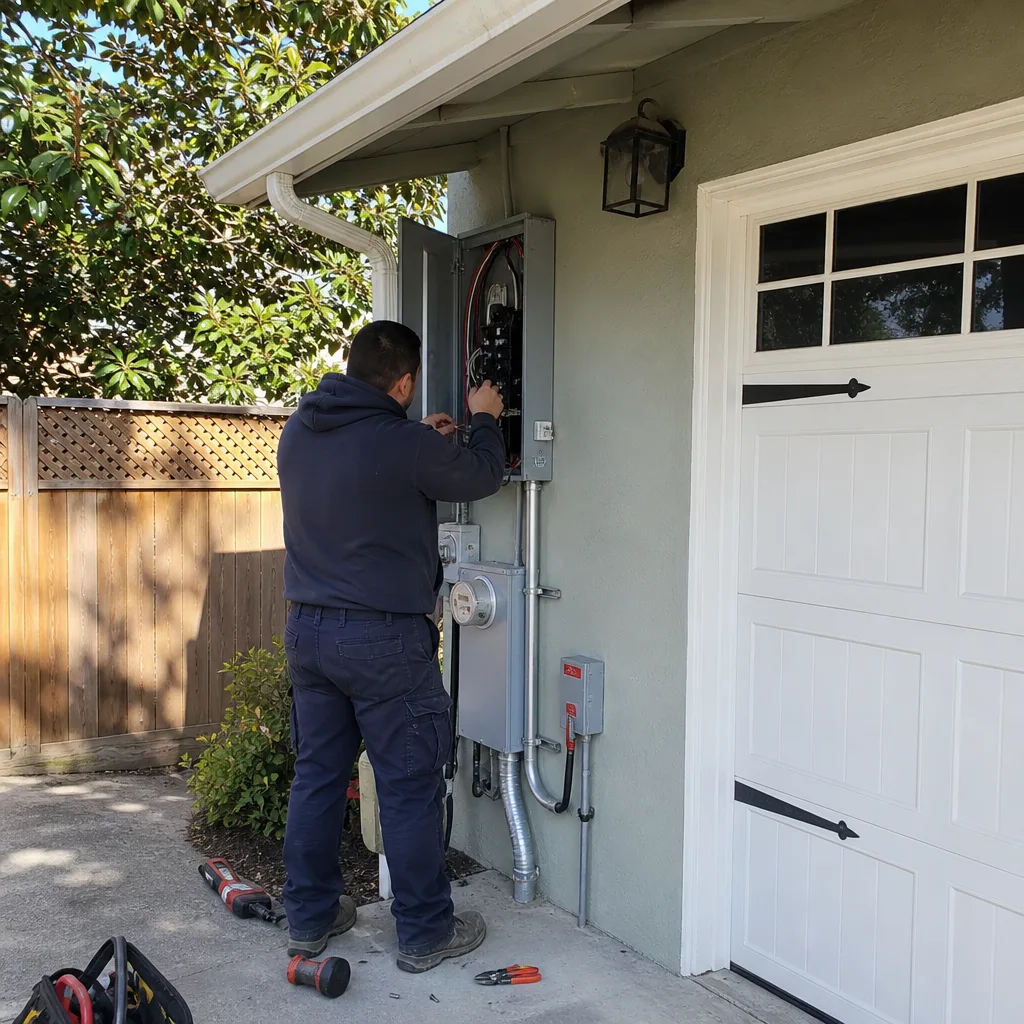 After
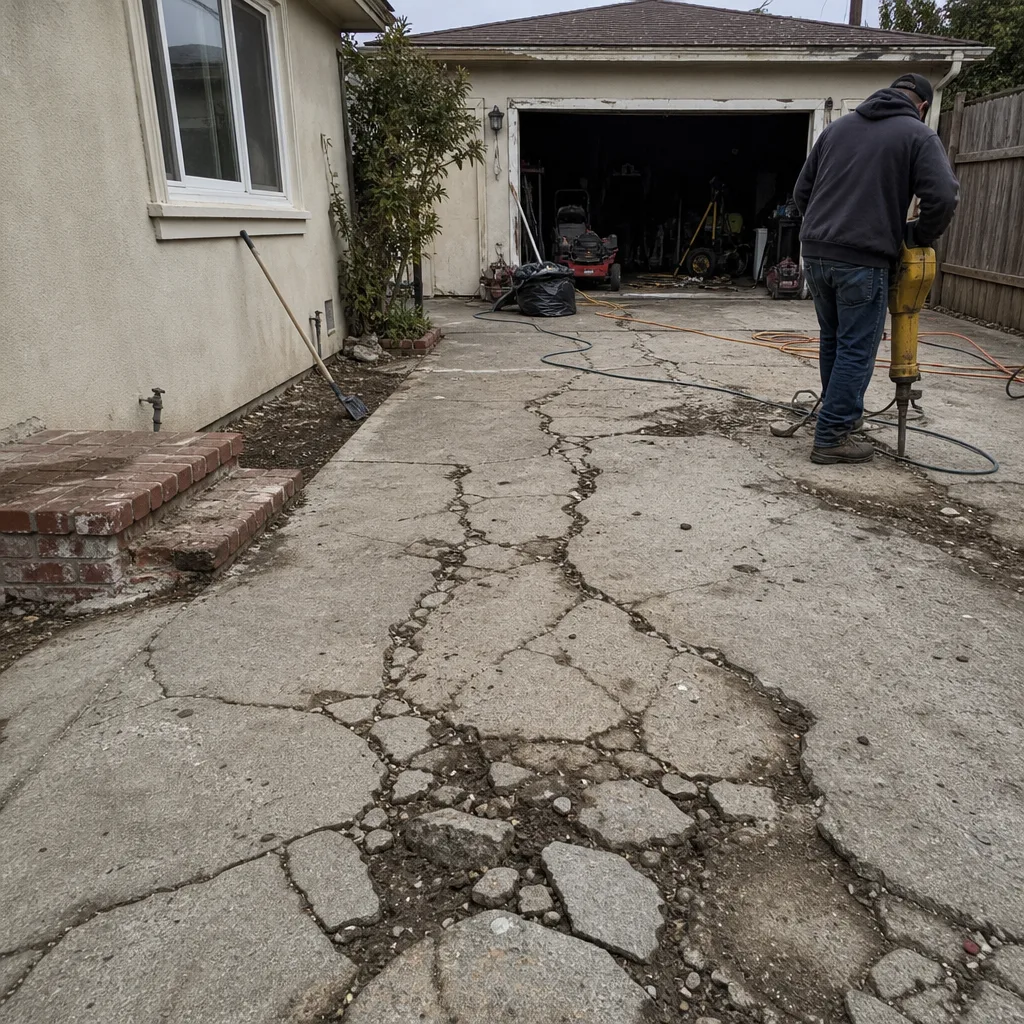 Before
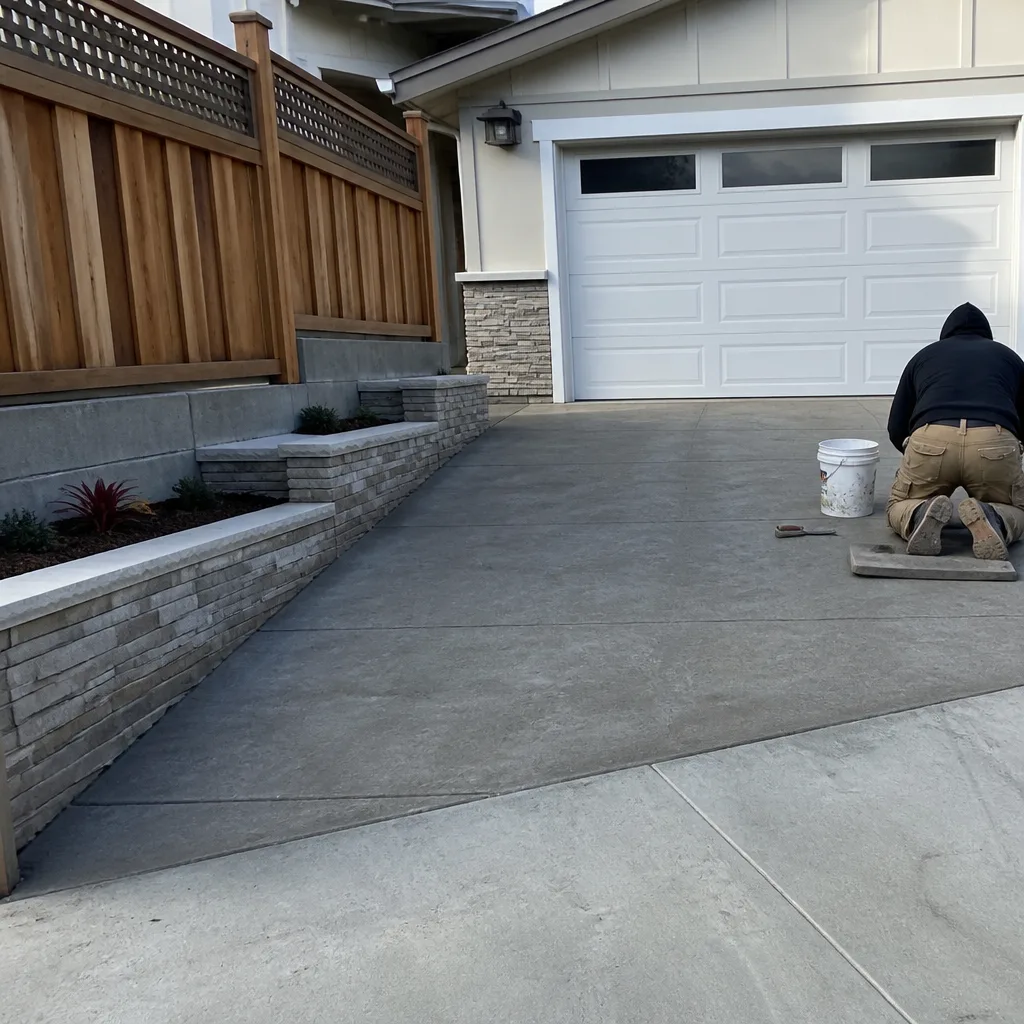 After
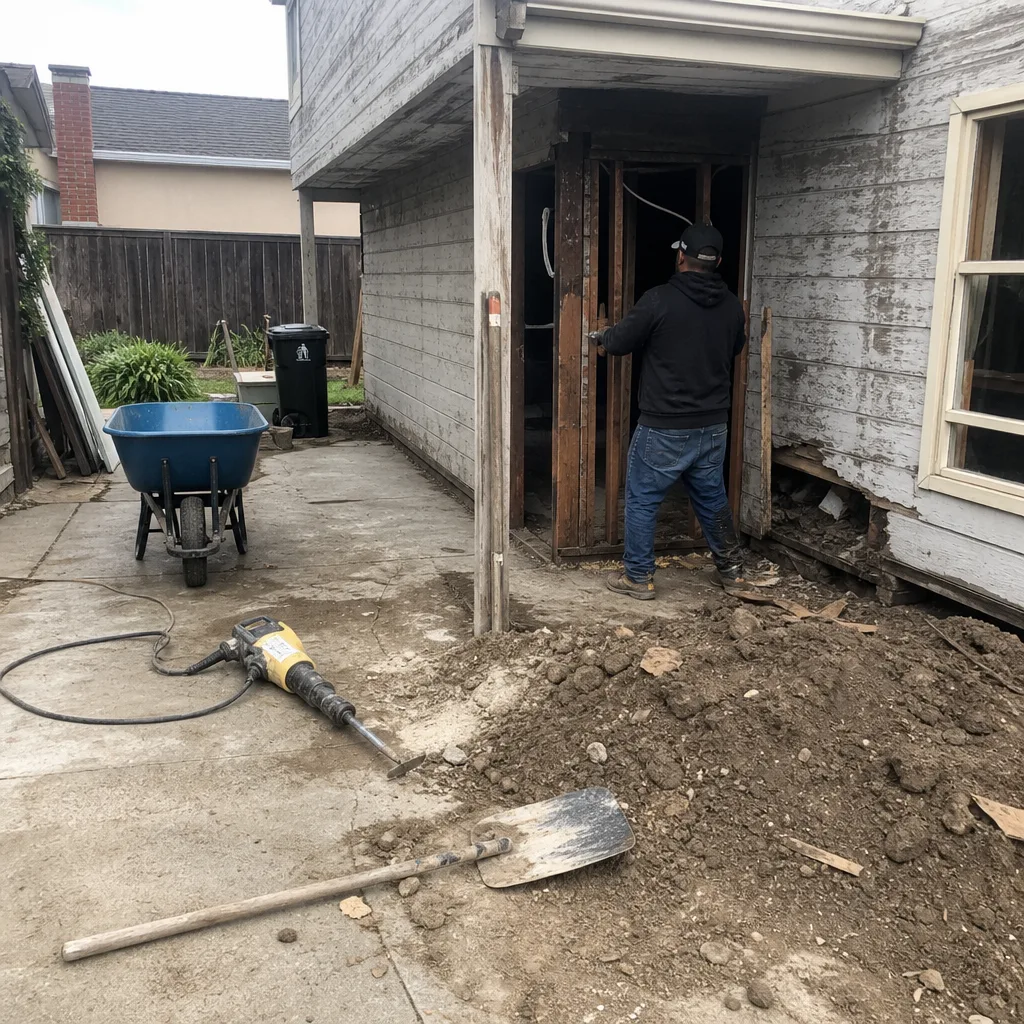 Before
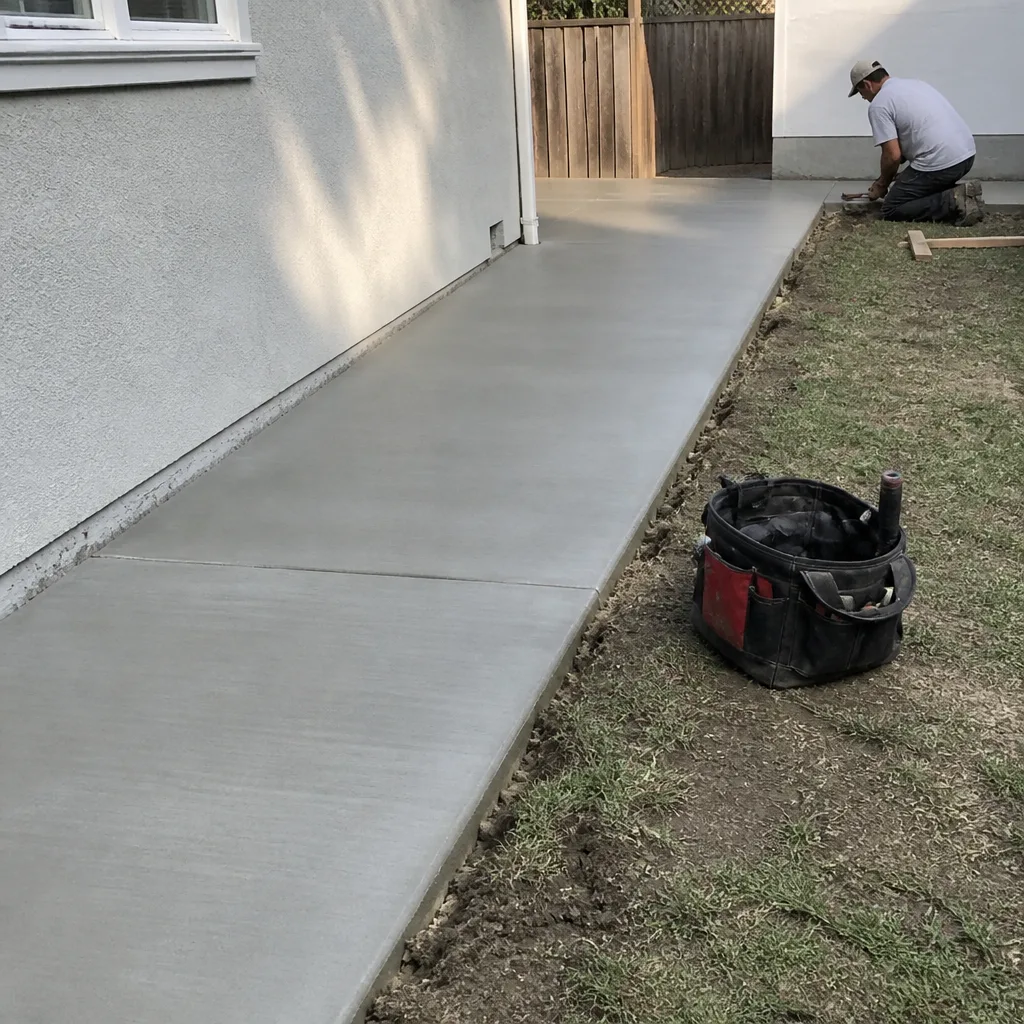 After
Frequently Asked Questions
The California legal threshold is $500 in combined labor and materials. Above that amount, you must either hire a licensed contractor or pull an owner-builder permit. Below it, most cosmetic work is legal for a homeowner to self-perform. Call (833) 589-8103 if you’re unsure where your Watsonville project falls.
You can legally perform cosmetic portions, like painting and cabinet hardware, but most kitchen remodels involve plumbing, electrical, and structural changes that require permits and a licensed contractor under California law. The hybrid model, where you handle finish work and a GC manages the permitted scope, is the practical answer. Estimates are free at (833) 589-8103.
Most California homeowner’s policies exclude damage caused by faulty workmanship performed by the homeowner, which means DIY plumbing or structural mistakes are typically uninsured losses. Licensed contractors carry their own liability coverage for exactly this scenario.
Yes. Water heater replacements in California require a permit because they involve gas, electrical, or both, and Santa Cruz County inspects the final installation. Self-performed replacements are unpermitted, uninsured, and legally problematic if the unit fails. A licensed contractor handles the permit as part of the installation.
An owner-builder permit lets you act as your own general contractor on your primary residence, but you assume personal liability for code compliance, worker safety, and any defects. It’s appropriate for homeowners with genuine construction experience and time; it’s a larger personal risk than most people realize for everyone else.
Licensed GC rates in Santa Cruz County typically run $85 to $140 per hour, and project-based quotes are standard for remodels. Material buying power and warranty coverage often offset a meaningful portion of labor cost, and the fixed-price quote removes the rework risk that makes DIY unpredictable. For an exact quote on your Watsonville project, call (833) 589-8103 for a free estimate.
The Bottom Line
What Watsonville homeowners really face with the DIY-vs-pro question is a legal line, not a preference line. California’s $500 threshold, Santa Cruz County’s inspection process, the insurance exclusions on self-performed work, and the coastal climate’s failure modes on roofing, waterproofing, and exterior materials all point the same direction. Paint your own walls, hang your own hardware, swap your own fixtures. Hire a licensed contractor for anything that touches structure, systems, or a permit. And if you want some of the work for yourself, structure a hybrid arrangement with a contractor who manages the part that matters. That’s the honest decision framework. The alternative is not savings; it’s deferred cost and concentrated risk.
Written by the team at Seaside Contractors, serving Watsonville since 2013.