
Last updated October 31, 2026
 Kitchen remodeling
 Bathroom remodeling
 Home additions & ADU
 Roofing
 Windows & doors
 Driveway & pavers
 Fence
Free written scope consultation - allowances, timeline, and change-order rules on paper before a single trade is scheduled
General Contractor Troubleshooting: Common Problems and How to Fix Them
Most homeowners assume a renovation goes sideways because they hired the wrong contractor. In our experience across Watsonville and the surrounding Monterey Bay area, that’s rarely the full picture. The more common failure point is structural: a contract that leaves room for interpretation, a communication cadence that drifts after the deposit clears, and no agreed-upon process for the inevitable moment when the client changes their mind. This guide walks through the ten most frequent mid-project breakdowns and gives you the specific corrective language, documentation steps, and escalation paths to fix them without blowing up the relationship. For more guides & resources, explore our blog. It’s the troubleshooting manual most contractors hope you never read.
Quick Answer
The most common general contractor problems are scope creep, subcontractor no-shows, payment disputes, permit delays, and communication breakdowns. Fixing them starts with the paper trail: document every change in writing, collect lien waivers at each draw, tie payments to completed milestones, and know when to escalate from a conversation to a formal written notice. The good news is that most issues are reversible without termination if you act in the first two weeks of the problem appearing.
Styles & brands we work with
Table of Contents
- Scope Creep: How to Document It Without Starting a Fight
- What to Do When a Subcontractor Doesn’t Show and Your GC Deflects
- Lien Waivers: The Paperwork That Protects You From Sub-Level Disputes
- Legitimate Change Order vs. Padding: How to Read the Math
- Payment Schedules: Why Calendar Dates Invite Trouble
- Permit Delays in Watsonville: What’s Real and What’s an Excuse
- Communication Breakdown: Rebuilding the Cadence Mid-Project
- When to Bring in a Third-Party Construction Manager
Scope Creep: How to Document It Without Starting a Fight
Scope creep is the single most common source of mid-project conflict, and in Watsonville’s older housing stock it tends to compound fast. A homeowner asks for a wider window opening, and that triggers a shear-wall upgrade, which surfaces a termite repair, which changes the insulation plan. None of it is anyone’s fault, but all of it costs money. The moment an unplanned request stays verbal, the contractor is working without a paper trail and the homeowner is accruing cost they haven’t approved. That’s how a $40,000 remodel becomes a $64,000 remodel with no one able to explain the gap.
The fix isn’t avoiding changes. It’s establishing a written change order process before the first wall comes down. Here’s the exact language you can use without sounding adversarial:
“I want to make sure we’re both protected here. Can you send me a written change order for this with the cost and the schedule impact before we proceed? I’ll sign it same day.”
That sentence does three things. It confirms the change is real. It puts the contractor on notice that you expect formal documentation. And it signals you’re not looking to nickel-and-dime, you just want clarity. Most legitimate contractors will appreciate it. A contractor who pushes back on a written change order is telling you something important about how they run their books.
- Request the change order in writing by email, even if you discussed it in person first.
- Ask for three line items: the direct cost of the change, the schedule impact in days, and any knock-on effects to other trades.
- Sign and return the change order before any work on that item begins.
- File every signed change order in a single folder, and update your running total after each one.
In our experience managing home remodeling in Foster City and Watsonville, the projects that stay on budget are not the ones with no changes. They’re the ones where every change has a signature. The discipline of documentation is what separates a controlled renovation from a runaway.
What to Do When a Subcontractor Doesn’t Show and Your GC Deflects
The subcontractor no-show is where homeowner anxiety spikes hardest. You took a day off work, the plumber was supposed to rough in at 8:00 AM, and at 10:30 your GC texts “sorry, he got held up, we’ll be there tomorrow.” Tomorrow becomes Thursday. Thursday becomes “next week.” And your GC’s responses get shorter each time.
The root cause is almost always scheduling overload. General contractors in Watsonville run multiple jobs to keep their crews working, and a delay on one project cascades into the next. That’s an explanation, not an excuse. Your job is to convert the GC’s vague reassurance into a committed date and hold them to it.
Here’s the escalation sequence, in order:
- Same-day email: “I need a confirmed arrival date and time for the plumbing rough-in. A verbal ‘soon’ doesn’t work for me.”
- If the date slips again: “This is the second slip. Per our contract, I’d like a written recovery schedule showing how you’ll make up the lost days.”
- If no written response within 48 hours: “I’ve been patient through two slips. If I don’t have a written schedule by Friday, I’ll need to escalate this per the dispute process in our contract.”
Notice the progression: polite request, firm request, formal notice. Each step is documented. Each step gives the contractor a chance to fix it. And each step makes clear you’re tracking the pattern, not just reacting to one bad day.
One thing we’ve learned from managing trades across every category, from James Hardie siding crews to prefab ADU installers working with Abodu and Dvele: the best defense is confirming the schedule in writing before each major phase. A Friday email that says “confirming plumbing rough-in Monday, March 3, 8 AM” takes ninety seconds and eliminates the “I thought you said Tuesday” problem entirely.
Lien Waivers: The Paperwork That Protects You From Sub-Level Disputes
Most homeowners hear “lien waiver” for the first time when a problem has already occurred. By then it’s too late. Here’s the short version: if your general contractor doesn’t pay a subcontractor, that subcontractor can file a mechanic’s lien against your home, even if you paid the GC in full. In California, lien laws are aggressive, and Watsonville homeowners are not exempt.
A lien waiver is a document that says “I’ve been paid for work through this date and I waive my right to file a lien for that amount.” You should collect one from your general contractor and from every subcontractor at every single payment draw. Miss one, and you could end up paying twice for the same work.
Here’s what to look for on every lien waiver:
- The waiving party’s legal name and contractor license number
- The project address, including the Watsonville or Santa Cruz County APN where applicable
- The specific dollar amount being waived
- The date range the waiver covers
- A signature from an authorized person, not a field worker
There are two types: conditional and unconditional. A conditional waiver says “I waive my rights once this check clears.” That’s the one you want before the money moves. An unconditional waiver says “I waive my rights now.” That’s the one you want after the check clears. If a contractor hands you an unconditional waiver before you’ve paid, that’s a red flag.
At Seaside Contractors home, we collect lien waivers as a standard part of every draw because we’ve seen the alternative too many times. A homeowner who doesn’t know what a lien waiver is can lose tens of thousands of dollars through no fault of their own. The paper trail isn’t bureaucratic overhead. It’s the only thing standing between you and a lien.
Legitimate Change Order vs. Padding: How to Read the Math
Not every change order is honest. Some contractors use changes as a profit center, padding the numbers above what the work actually costs. The question is how to tell the difference when you’re not a contractor yourself.
The first test is the math. A legitimate change order breaks down into three components: direct materials, labor hours with a rate, and a markup percentage. Markup of 10% to 20% is normal in the Monterey Bay market and covers project management, insurance, and the contractor’s risk. Markup above 30% is worth a question. Markup above 50% is a conversation.
Let’s look at a real example from a Watsonville kitchen remodel we reviewed. The homeowner wanted to upgrade from a standard single-basin sink to a Blanco farmhouse model with a Delta touch faucet. The change order came back at $1,850. The Blanco sink retails around $450, the Delta faucet around $300, and the install difference is maybe four hours of labor at $85 an hour, so $340. That’s $1,090 in direct costs. The remaining $760 is markup: about 70%. That’s padding, full stop.
A legitimate version of that change order would look like this:
- Blanco farmhouse sink: $450
- Delta touch faucet: $300
- Labor differential: $340
- Markup at 18%: $196
- Total: $1,286
The same change, done honestly, costs 30% less. The way to protect yourself is to ask for the breakdown on every change order and run the same math. If the contractor resists itemizing, that’s an answer in itself.
Payment Schedules: Why Calendar Dates Invite Trouble
If your contract says “50% due April 1, 50% due May 15,” you have a problem before the project starts. Calendar-based payments create a misalignment: the contractor gets paid on a date regardless of whether the work is done, and the homeowner has no leverage to push for progress.
The right structure ties every payment to a completed milestone with a lien waiver attached. It looks like this:
- Deposit at contract signing: 10% (covers mobilization and initial materials)
- Demo complete: 15%
- Framing and rough-in inspection passed: 20%
- Drywall and finishes complete: 25%
- Final inspection passed and punch list complete: 20%
- Retainage held 30 days after completion: 10% (released after no lien notices surface)
In Watsonville, where project values run high and the weather allows nearly year-round construction, milestone payments are the single best protection a homeowner can negotiate. They keep the contractor’s cash flow tied to actual progress. They give you a natural stopping point if work stalls. And they make the lien waiver conversation automatic at each draw, because the contractor knows the waiver is required before the payment releases.
If you’re already mid-project with a calendar-based schedule, you can still fix it. Ask the contractor to convert remaining payments to milestone triggers. It’s an awkward conversation, but a professional contractor has had it before and knows the request is reasonable. The one who refuses is telling you they prefer the leverage imbalance.
Permit Delays in Watsonville: What’s Real and What’s an Excuse
Watsonville’s permit process is not the fastest in California. The city building department has a smaller staff than neighboring Santa Cruz, and plan review turnaround can stretch. That said, most “permit delays” we hear cited by contractors are actually plan-review corrections, which means the contractor submitted incomplete drawings and is waiting on their architect or designer to respond.
Here’s how to tell the difference:
- A real city delay: the application was submitted, you can see it in the online portal, and the status says “awaiting review” or “awaiting correction.”
- A contractor-caused delay: the application hasn’t been submitted yet, or the status says “awaiting resubmittal” and no resubmittal has happened in two weeks.
You should have the permit application number as soon as it’s filed. If your contractor says “permits are taking forever” but can’t produce a number, the permit is not the problem. The contractor hasn’t finished the paperwork.
In our work handling home renovation in Foster City and full-scope projects in Watsonville, we’ve found that the homeowners who track permits like a project milestone, asking for the application number and checking the status weekly, rarely get stuck in permit limbo. The city is what it is. The contractor’s responsiveness is a choice.
Communication Breakdown: Rebuilding the Cadence Mid-Project
Here’s the pattern: the first two weeks are great. Daily texts, photo updates, phone calls returned within the hour. Then the job gets busy, and the texts thin out, and by month two you’re wondering if anyone is actually working.
In almost every case, the contractor didn’t start ignoring you. They got absorbed into the next phase and let the communication cadence slip. The fix is to re-establish it formally, which works better than complaining.
Send this email:
“I want to set a fixed weekly check-in so we’re never guessing. Every Friday by 4 PM, can you send me a short update: what got done this week, what’s scheduled for next week, any decisions you need from me, and any emerging issues. If Friday doesn’t work, tell me and we’ll lock another day.”
This works because it’s specific, it’s reasonable, and it frames the request as a shared tool rather than an accusation. A contractor who can’t commit to a weekly email is not going to get better with more emails.
A few Watsonville-specific notes: construction windows here are generous compared to fog-bound coastal projects, so schedule pressure from weather is real but predictable. And because many Watsonville homes are older, mid-century framing or post-and-pier foundations, the number of “we found something in the wall” conversations runs higher than in newer subdivisions. A weekly cadence catches those discoveries before they become surprises.
When to Bring in a Third-Party Construction Manager
There’s a point where troubleshooting on your own stops working. You’ve documented the change orders, you’ve collected the lien waivers, you’ve re-established the weekly cadence, and the project is still slipping. At that point, hiring a third-party construction manager (CM) is not an admission of failure. It’s the rational decision.
A CM is an owner’s representative. They review the schedule, verify the work quality, attend site meetings, and negotiate with the contractor on your behalf. They typically charge 4% to 8% of remaining project value, so on a $150,000 remodel with $100,000 left to complete, you’re looking at $4,000 to $8,000. That’s real money, but it’s cheap compared to a six-month delay or a settlement negotiation.
Here’s the math on when it makes sense:
- Your project is at least $100,000 in remaining value
- The schedule has slipped 30 days or more with no recovery plan
- Quality issues have appeared in two or more trades
- You’ve escalated in writing and the behavior hasn’t changed
Two of those four conditions are enough to make the call. In Watsonville, where the trades are stretched thin and good crews are booked out, a CM’s industry relationships can also shake loose subcontractor availability that a homeowner can’t access on their own. It’s a leverage play, not an escalation of drama.
One more thing: if you’re considering a CM, have a conversation with your general contractor first. Say “I’m bringing in a CM to help me manage the complexity, not to replace you.” Some contractors will appreciate the structure. The ones who react badly are confirming what you suspected.
Common Mistakes to Avoid
- Accepting verbal change orders. Every change agreed verbally is a future dispute. In Watsonville’s busy market, even well-meaning contractors forget what was said three months ago. Get it in writing.
- Paying full price before work is done. This is the most expensive mistake a homeowner can make. Once the contractor has your money, the leverage is gone. Milestone payments only.
- Ignoring lien waivers. Most homeowners don’t know what a mechanic’s lien is until one is filed against them. By then, the cure is legal fees. Collect waivers at every draw.
- Letting “soon” be an answer. When a subcontractor no-shows and your GC says “soon,” that’s not a commitment. A specific date is a commitment. Ask for it in writing.
- Skipping the permit number. If your contractor can’t produce the permit application number, the permit hasn’t been filed. Track the number yourself.
- Escalating too late. The pattern we see from Watsonville homeowners is waiting through three missed dates before raising the issue in writing. Escalate after the first one.
- Firing the contractor without a paper trail. Termination without documentation invites a counterclaim from the contractor. Send the emails, keep the change orders, and build the record first.
See the difference
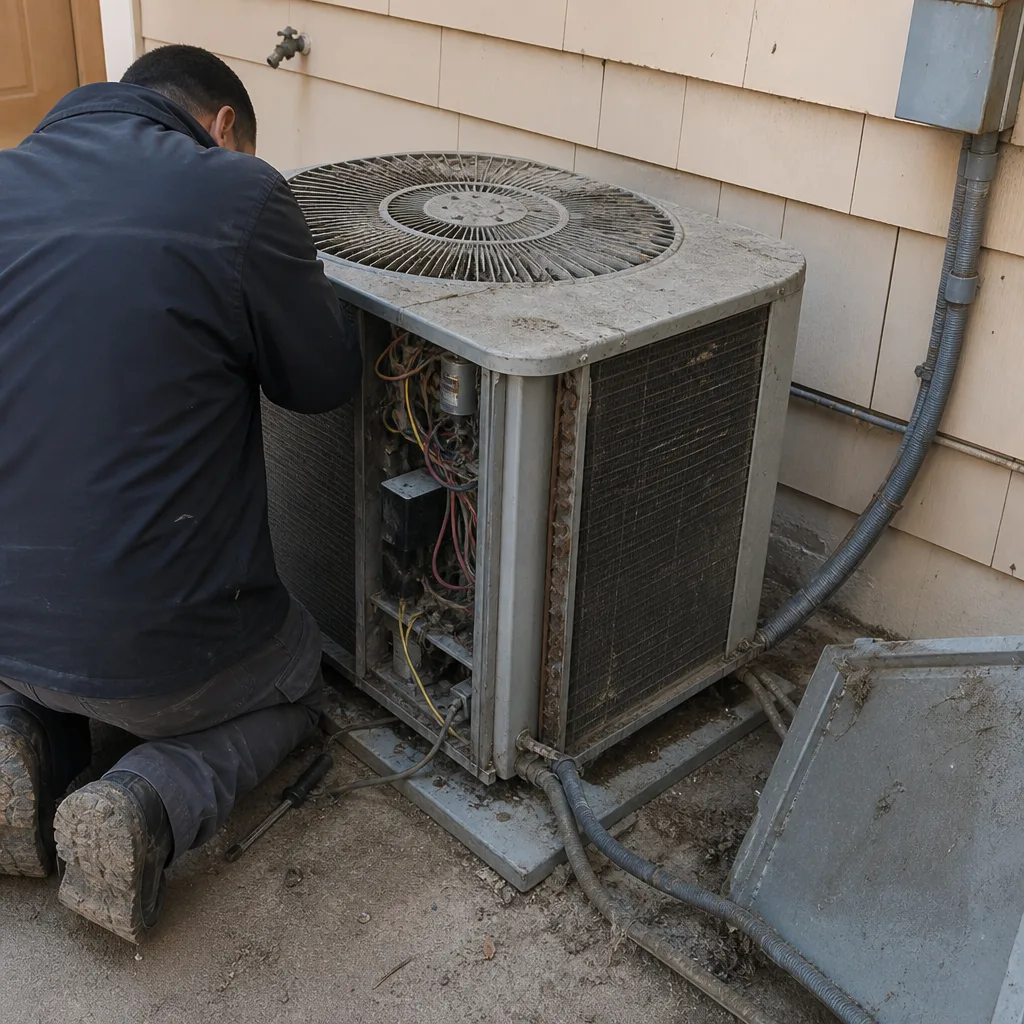 Before
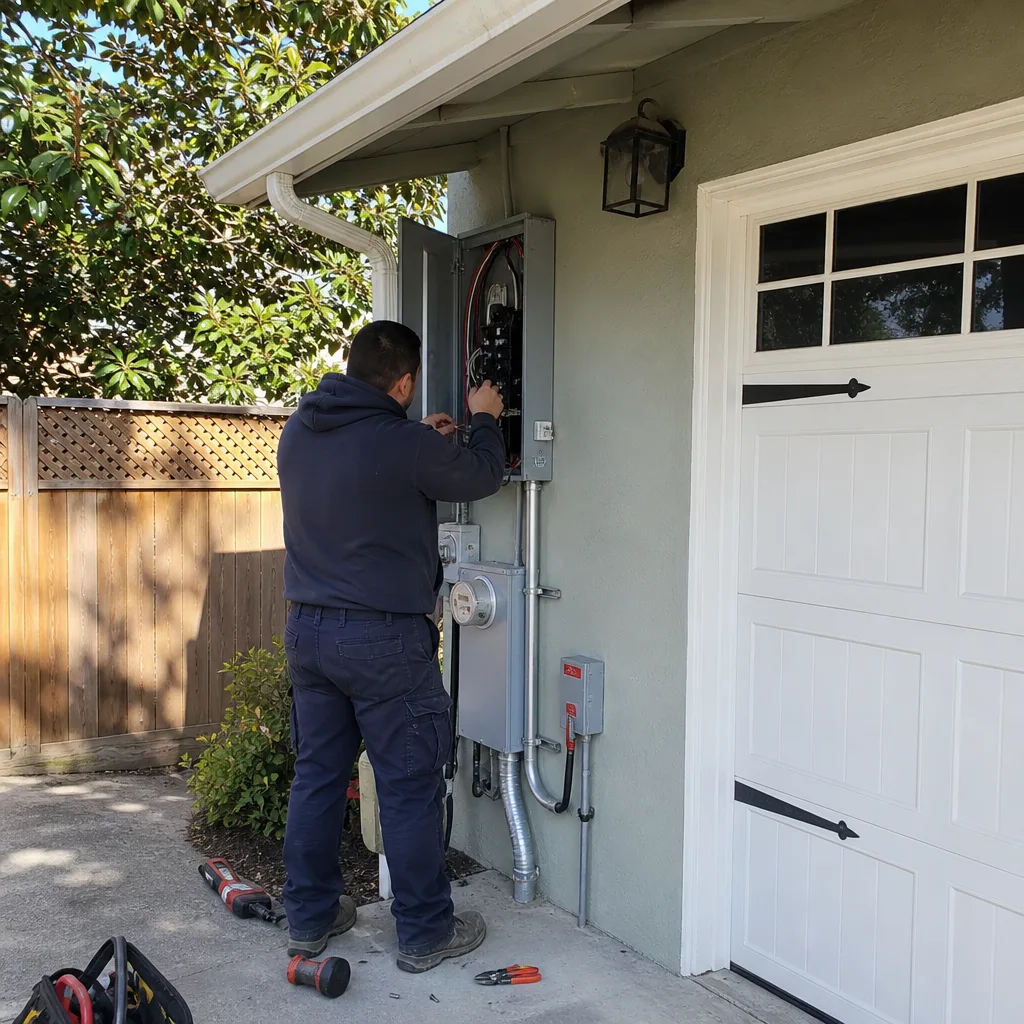 After
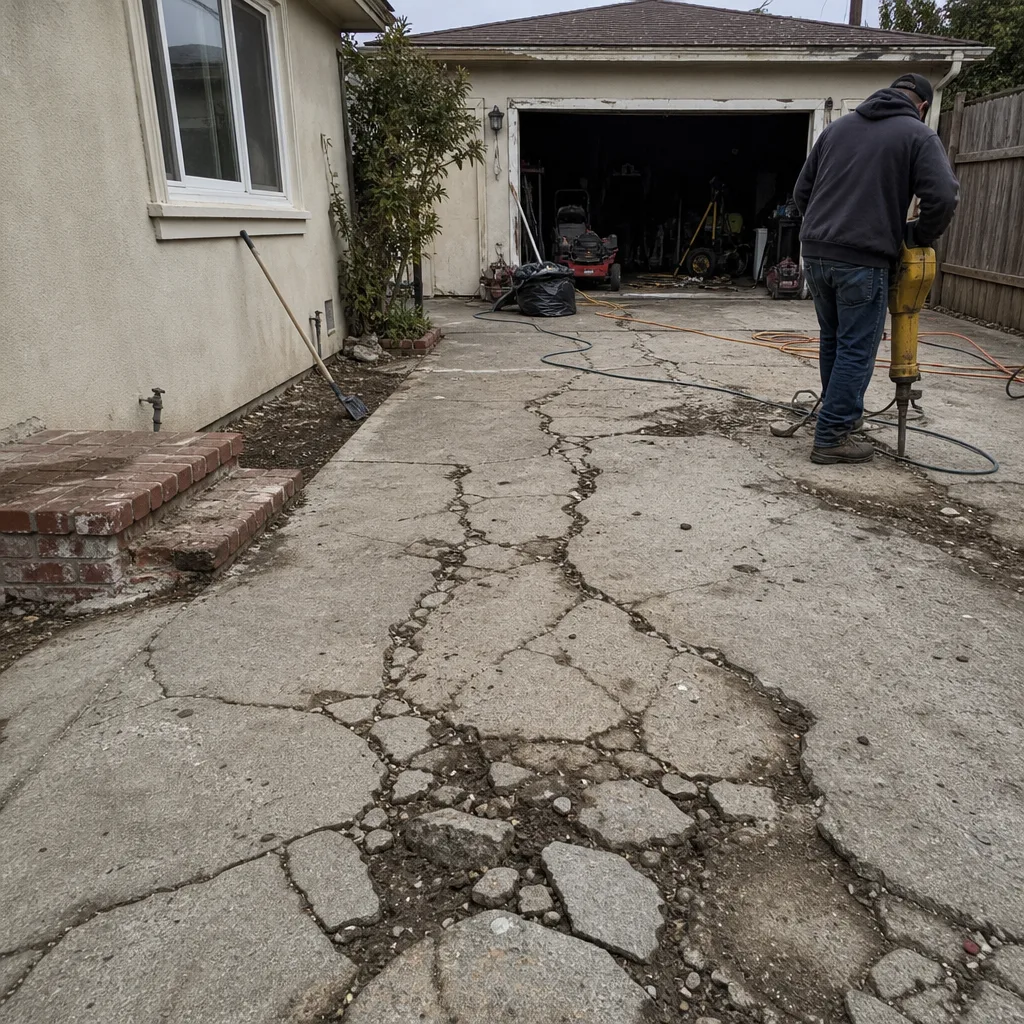 Before
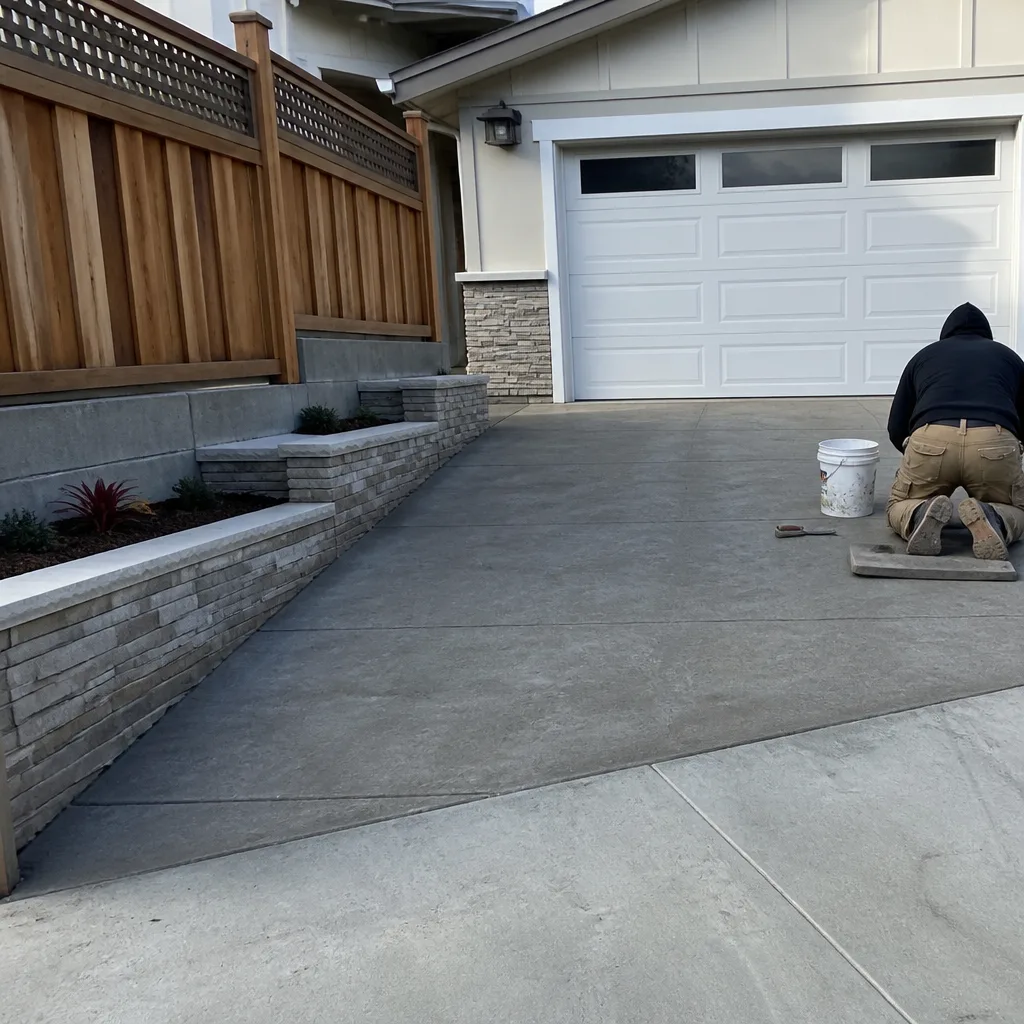 After
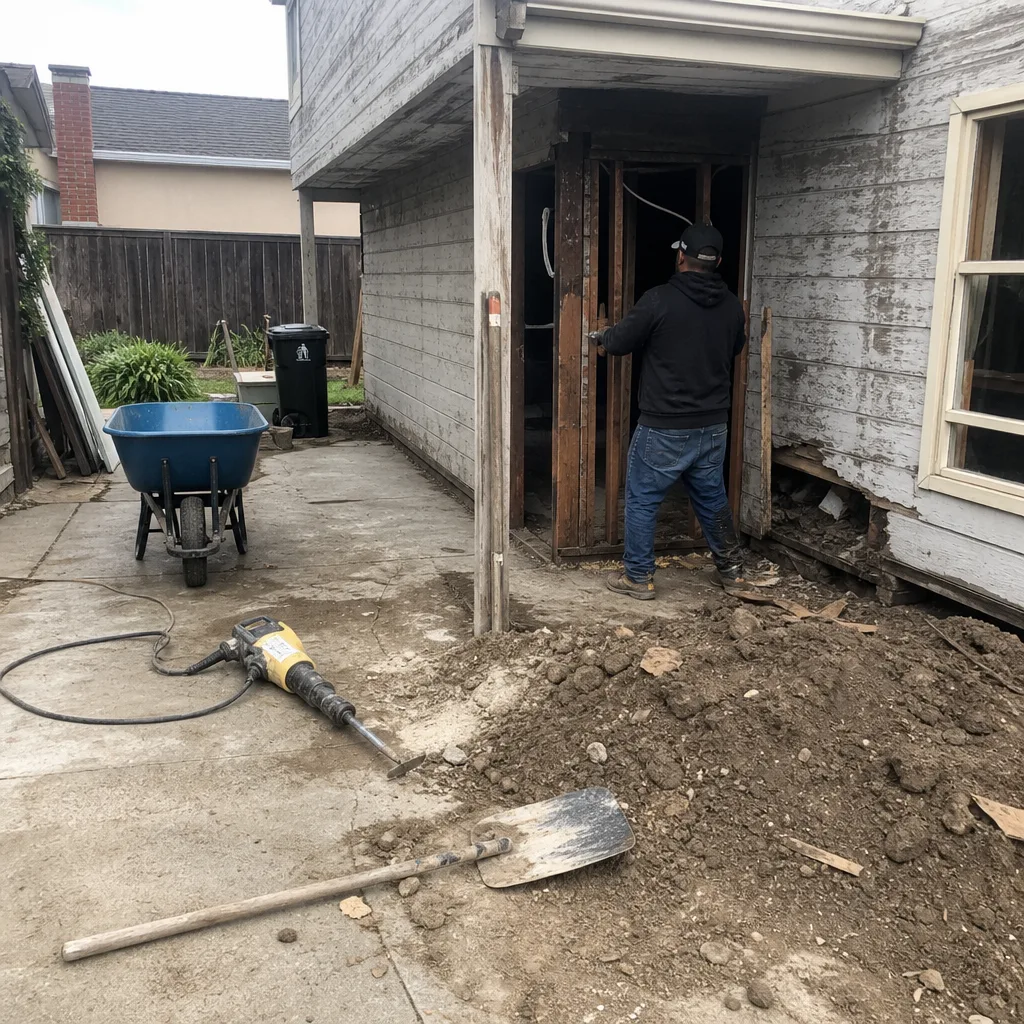 Before
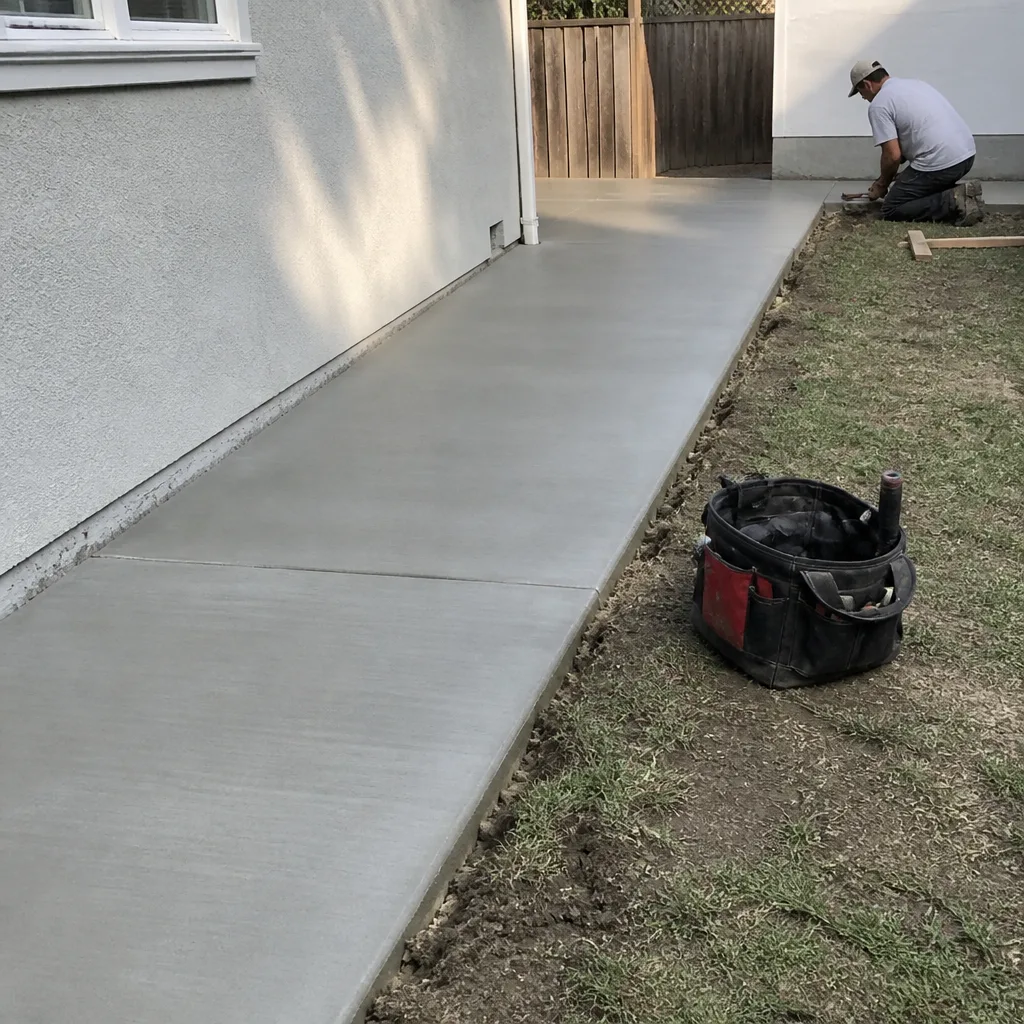 After
When to Call a Professional
Some situations are beyond the scope of a homeowner’s troubleshooting toolkit. If you’ve discovered structural damage that wasn’t in the original scope, if the contractor has walked off the job and you need to secure the site, or if a lien has already been filed, call a professional. A licensed Watsonville general contractor can assess the condition of the work, provide a repair estimate, and help you understand your options before you spend money on legal counsel. Seaside Contractors offers free estimates in Watsonville. Call (833) 589-8103, and we’ll send someone to look at the project and give you a straight assessment of where it stands.
If you’re at the point of hiring a general contractor in Foster City or Watsonville for a new project, the same advice applies: no verbal agreements, milestone payments, lien waivers at every draw, and a weekly written update from day one. The problems in this guide are preventable. The prevention is in the paperwork.
Frequently Asked Questions
It depends on the problem. A change order dispute might cost a few hundred dollars in third-party review time. A full project rescue, where a new contractor takes over an abandoned remodel, runs $15,000 to $60,000 in Watsonville for a mid-size project. The best fix is prevention: milestone payments and written change orders. Call (833) 589-8103 for a free assessment if you’re not sure where you stand.
Yes, but only with a documented paper trail. Termination without written evidence of missed milestones, unapproved changes, or quality failures exposes you to a counterclaim for lost profit. Send the emails, keep the records, and if possible, consult a construction attorney before you pull the trigger. The cost of an hour of legal review is cheap compared to a wrongful termination suit.
A lien waiver is a written document from a contractor or subcontractor that says they’ve been paid and waive their right to file a mechanic’s lien on your property for that amount. Without lien waivers, a subcontractor who wasn’t paid by your GC can file a lien against your Watsonville home even though you paid the GC in full. Collect one at every payment draw.
Break it down into three components: direct materials, labor hours with a rate, and markup. In the Watsonville market, markup between 10% and 20% is standard. Above 30% is worth a question. Above 50% is padding. Ask for the line-item breakdown and run the math yourself.
Send a written email the same day requesting a confirmed arrival date and time. If it slips again, request a written recovery schedule. If you get no written response within 48 hours, send a formal notice that you’ll escalate per your contract’s dispute process. Document every step, and call (833) 589-8103 if you need a second opinion on how to proceed.
Most structural work, electrical, plumbing, and any addition or ADU requires a permit from the City of Watsonville. Cosmetic work like painting or replacing countertops with similar materials typically doesn’t. Ask your contractor for the permit application number as soon as it’s filed, and track the status yourself in the city’s online portal.
The Bottom Line
Contractor problems are almost never fixed by anger. They’re fixed by paperwork, specificity, and consistent escalation. Document every change. Collect lien waivers at every draw. Tie payments to milestones rather than dates. Ask for written dates instead of accepting “soon.” And when it stops working, bring in a third-party CM before you bring in a lawyer. In Watsonville, the homeowners who run their renovation like a small project, with a paper trail and a weekly cadence, are the ones whose projects finish on time and on budget. The problems are predictable. The fixes are too.
Written by the team at Seaside Contractors, serving Watsonville since 2013. We manage full-scope general contracting, home remodeling, and renovation projects, including ADU construction, with material selections drawn from 50+ vetted brand partnerships. Call (833) 589-8103 for a free estimate on your Watsonville project.