
Last updated October 31, 2026
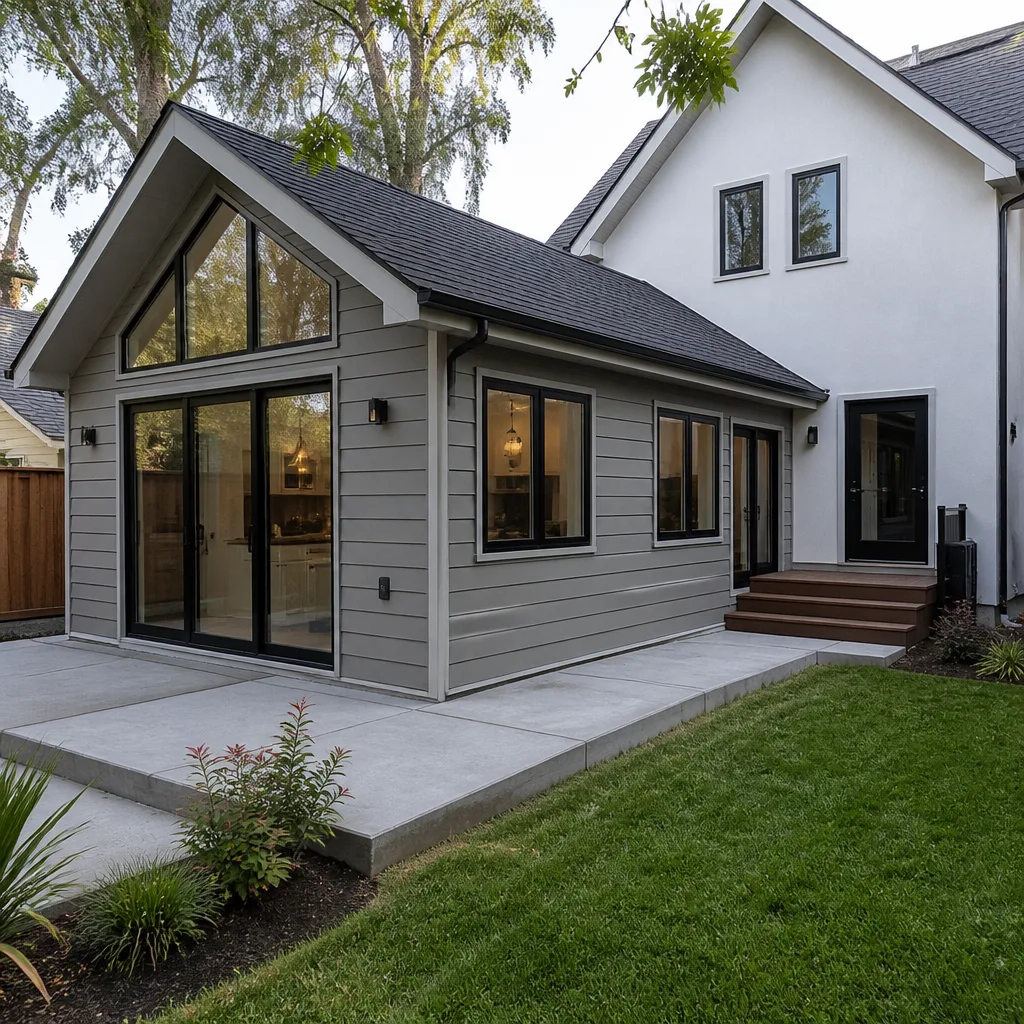 Home additions & ADU
 Kitchen remodeling
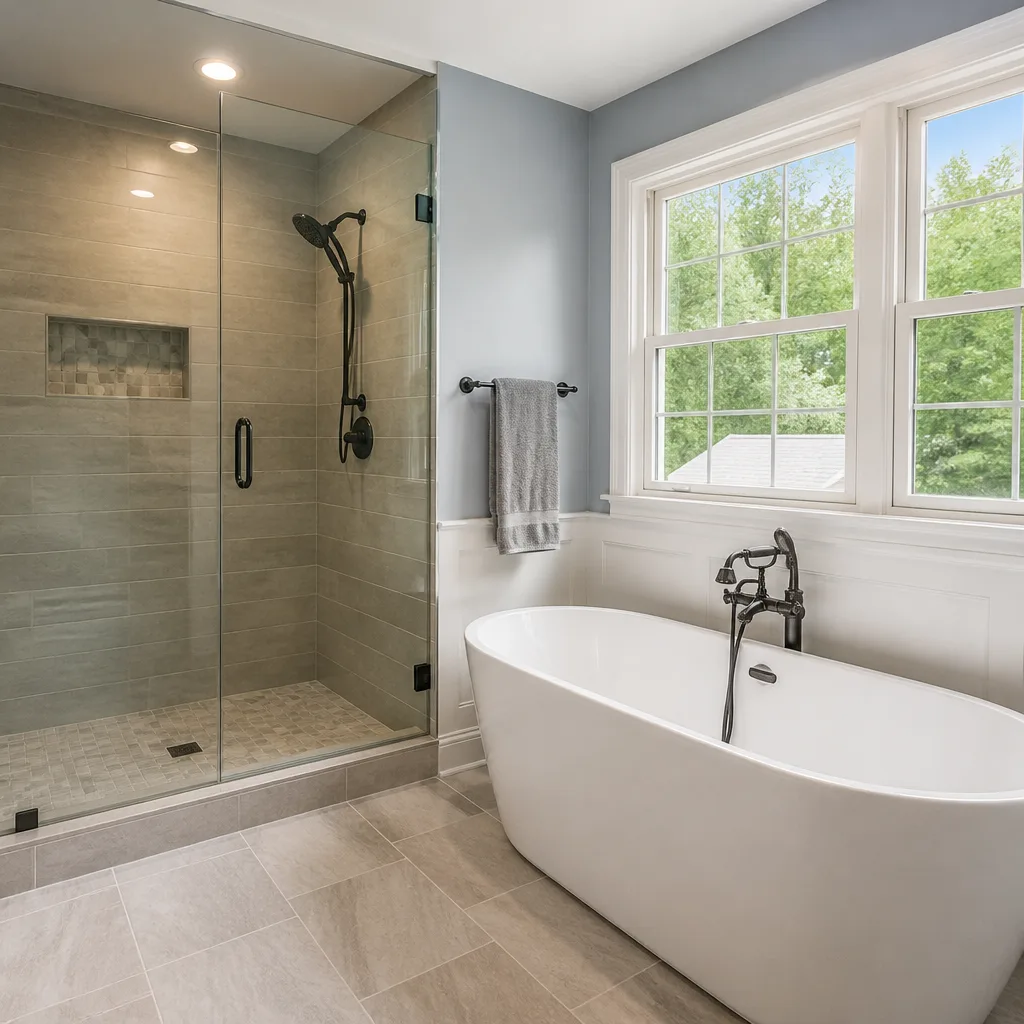 Bathroom remodeling
 Roofing
 Windows & doors
 Driveway & pavers
 Fence
Free written scope consultation - allowances, timeline, and change-order rules on paper before a single trade is scheduled
General Contractor Maintenance Checklist for Watsonville Homeowners
The same morning fog that makes Watsonville’s strawberry fields productive is quietly working on your fascia boards, window seals, and roof underlayment. A maintenance checklist designed for Sacramento or San Jose won’t tell you where to look first, because it wasn’t written for a climate that combines marine moisture, agricultural dust, and the occasional frost. This guide gives Watsonville homeowners a contractor-grade inspection framework calibrated to those exact conditions. You’ll learn what to check monthly, what to inspect after fog season, and which problems require our General Contractor services before they become five-figure repairs.
Quick Answer
A Watsonville home maintenance checklist must prioritize marine fog moisture damage to exterior wood and sealants, agricultural dust buildup in HVAC and window systems during harvest months, and drainage inspection before the Pajaro Valley’s compressed rainy season. Homeowners can self-inspect monthly for visible cracking, pooling water, and dust accumulation, but an annual contractor walkthrough should cover roof underlayment, waterproofing membranes, and structural connections that aren’t visible from the ground.
Styles & brands we work with
Table of Contents
- The Marine Fog Cycle: What It Does to Watsonville Exteriors
- Agricultural Dust: The Overlooked System Killer
- Frost Events in a Climate That Rarely Freezes
- Drainage and Grading Before Pajaro Valley Rain Compression
- Monthly Self-Inspection Checklist for Homeowners
- Annual Contractor Inspection: What We Look For
- Material Selection for Watsonville’s Climate: Brands That Hold Up
- Common Mistakes to Avoid
- When to Call a Professional
- Frequently Asked Questions
The Marine Fog Cycle: What It Does to Watsonville Exteriors
Watsonville sits close enough to Monterey Bay that summer fog is not an occasional visitor; it is a daily atmospheric condition from June through August, often lingering until late morning. This fog carries salt-laden moisture that condenses on every exterior surface of your home, then slowly evaporates as the day warms. The cycle of wetting and drying is far more damaging than constant rain, because each cycle drives moisture deeper into porous materials before the sun bakes the surface dry.
Here is what we’ve seen on Watsonville homes after a single fog season:
- Fascia boards and rake boards along roof edges show paint blistering and soft spots first, especially on north-facing elevations that never get direct sun. The fog condenses there and the wood stays damp for months.
- Window and door caulking fails faster within three miles of the coast than it does in inland Santa Cruz County. The constant expansion and contraction of vinyl and aluminum frames against wood trim breaks sealant bonds, and fog moisture finds the gaps.
- Composite decking develops surface mold in shaded sections, even on brands rated for moisture resistance. The issue isn’t the decking material itself; it’s the organic debris that fog deposits on the surface, creating a growth medium.
- Exterior paint on west-facing stucco shows chalkiness and micro-cracking within five to seven years, faster than the paint manufacturer’s warranty suggests, because Watsonville fog adds moisture loading that the warranty testing doesn’t model.
What to inspect after summer fog season, specifically in late September or early October:
- Run your hand along the bottom edge of fascia boards. If paint flakes off on your fingers or the wood feels spongy, moisture has been cycling through it for months.
- Check caulk joints around windows and exterior doors with a flashlight. Look for hairline cracks running lengthwise along the sealant bead. These cracks admit fog moisture even when they look cosmetic.
- Examine the north side of your home’s exterior. This elevation gets the least sun and holds fog moisture longest. If you see green or black staining, you have a moisture retention problem that needs addressing before winter rains arrive.
- Look at the underside of roof overhangs. Staining there indicates that fog is being driven upward by wind and condensing in places rain never reaches. This is a Watsonville-specific pattern that generic checklists miss entirely.
If you catch these issues in October, the fix is usually caulking, touch-up paint, and minor wood repair. If you wait until February, when the rainy season has compounded the damage, you’re looking at board replacement and potential structural repair. The Seaside Contractors home team has walked hundreds of Watsonville exteriors, and the pattern is consistent: fog-season damage caught early costs a fraction of what it costs after winter.
Agricultural Dust: The Overlooked System Killer
Watsonville doesn’t have a dust problem the way a desert city does, but it has something more insidious: agricultural dust that arrives in seasonal waves. During strawberry harvest, raspberry pruning, and the late-summer vegetable processing months, fine particulate matter moves through the air constantly. This dust is not just soil; it contains dried plant material, pesticide residue, and organic matter that clogs mechanical systems and creates a growth medium when combined with fog moisture.
The systems most affected in Watsonville homes:
- HVAC intake grilles and filters: Harvest-season dust loads filters two to three times faster than in coastal towns without agriculture. A filter rated for 90 days in Monterey may be completely clogged in 30 days in Watsonville during peak harvest.
- Window tracks and weep holes: Dust accumulates in the bottom track of sliding windows and doors, then mixes with fog condensation to form a paste that blocks weep holes. Water backs up into the track and eventually into the wall cavity.
- Attic vents and soffit intake vents: Fine agricultural dust passes through standard screening and coats attic insulation. This reduces insulation R-value over time and can contribute to moisture retention in the attic space.
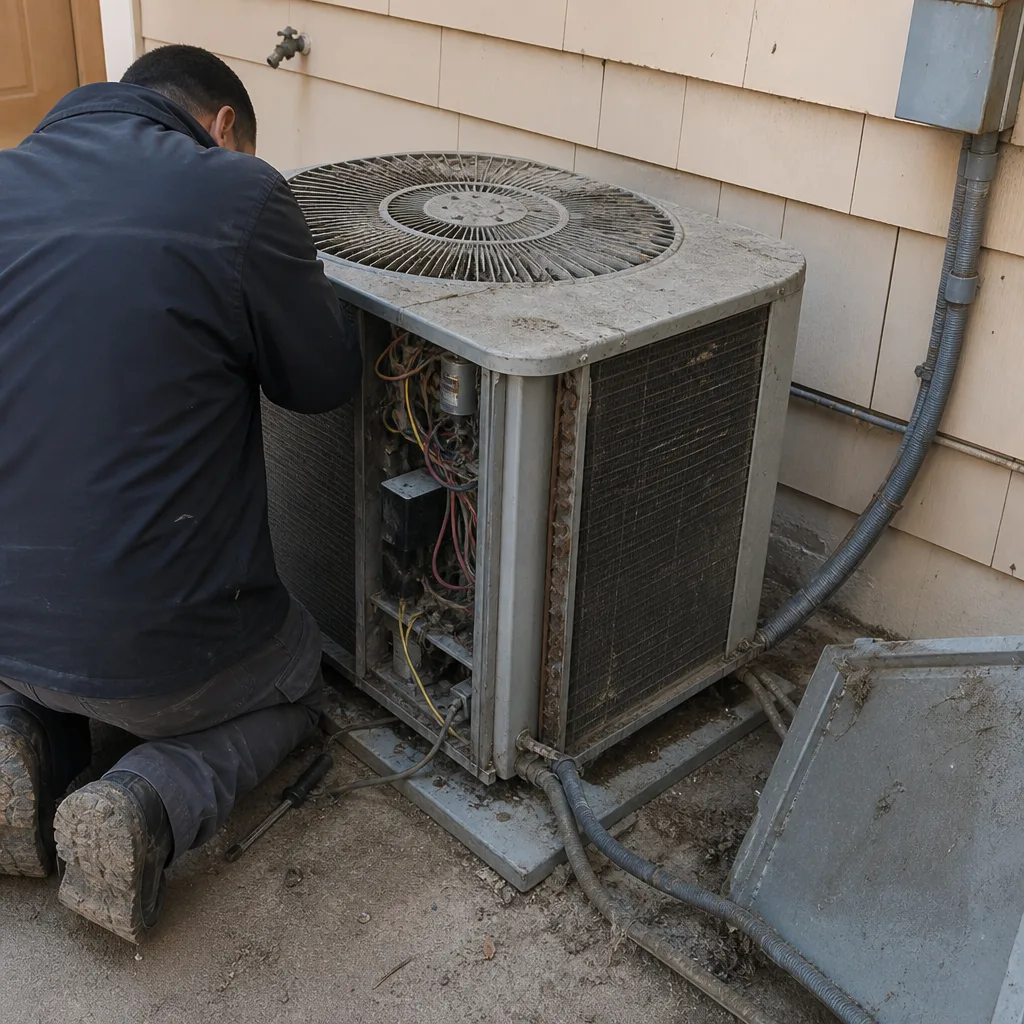
- Exterior condenser coils on AC units: Dust coating on coils reduces heat exchange efficiency by 10 to 15 percent, which means higher energy bills and premature compressor wear. In Watsonville, this is a late-summer problem that peaks in August and September.
- June through August: Check HVAC filters every two weeks during peak strawberry and vegetable harvest. If the filter shows visible gray-brown coating after two weeks, switch to monthly replacement through the end of October.
- July: Open the condenser unit access panel and inspect coil surfaces. If you can see dust matting between the coil fins, schedule a professional coil cleaning before the hottest part of summer ends.
- September: Vacuum window tracks and door thresholds, then run a thin wire through each weep hole to confirm drainage. Blocked weep holes are the single most common cause of water intrusion in Watsonville’s older housing stock.
- October: Check attic vents from the inside. If you can see dust accumulation on insulation near the vent openings, consider having the attic ventilation assessed. In our experience, many Watsonville homes benefit from upgraded vent screening that still meets fire code but blocks finer particulates.
- Exterior pipe exposure: Walk the perimeter of your home and look for any plumbing that penetrates exterior walls or runs along the outside of the structure. Hose bibs are the obvious ones, but tankless water heaters mounted on exterior walls also have exposed condensate drain lines that can freeze.
- Irrigation backflow preventers: These are the most commonly frozen plumbing component in Watsonville. They sit above ground, are full of water, and have metal bodies that conduct heat away quickly. Insulated covers are inexpensive and prevent the internal seals from cracking when water freezes and expands.
- Roof valley and scupper ice: On clear, frosty mornings, check roof valleys and scuppers before the sun hits them. Ice in a valley can dam water during the next rain event, forcing water under shingles. In Watsonville’s generally mild climate, this is a rare but real failure mode.
- Crawl space vents: Homes with crawl spaces typically have foundation vents that remain open year-round in coastal climates. During a frost event, closing these vents for a few nights protects plumbing in the crawl space. Just remember to reopen them after the frost passes to prevent moisture buildup.
- Finish grade against the foundation: The soil should slope away from the foundation at a minimum of six inches of fall over the first ten feet. In Watsonville’s older neighborhoods, decades of landscaping, mulch additions, and paver installation have flattened the grade. We check with a string line and level, not by eye.
- Downspout discharge points: Downspouts should discharge at least five feet from the foundation, and the discharge point should be on a splash block or extension that directs water away from the structure, not into a low spot against the wall.
- Area drains and catch basins: If your property has area drains, test them before the rainy season with a garden hose. Many Watsonville drains are undersized for the volume of rain that arrives in a short window, and if the drain is blocked by leaves or debris, the water has nowhere to go except toward the house.
- Retaining wall weep holes: Properties with retaining walls, especially on the hillsides above Watsonville, need weep holes clear and functional. The alluvial soils here become heavy when saturated, and hydrostatic pressure behind a retaining wall with blocked weep holes is a structural risk.
- Foundation vents and crawl space moisture: After the first significant rain, check the crawl space. If you see standing water, damp insulation, or a musty odor, you have a drainage or grading problem that needs correction before the rainy season continues. Moisture in the crawl space also attracts termites, and Watsonville’s mild climate means termite pressure is year-round.
- Look at ceilings and upper walls in each room for new staining, bubbling paint, or water marks. Watsonville fog intrusion often shows up as staining on ceilings below roof penetrations, not as active dripping.
- Check window tracks and sills for dust accumulation, moisture, or mold. Vacuum the tracks and wipe sills dry. This is the single highest-value monthly task in Watsonville’s agricultural dust environment.
- Test all GFCI outlets by pressing the test and reset buttons. Fog-season humidity increases nuisance tripping, and a GFCI that has failed is a safety issue, not an inconvenience.
- Run water in every sink, shower, and tub that isn’t used daily. Traps dry out in rarely used bathrooms, and sewer gas backs up into the house. In Watsonville’s mild climate, this is more of an issue than you might expect, because outdoor showers and secondary bathrooms go unused for months.
- Inspect exterior hose bibs and visible plumbing for leaks, drips, or mineral staining. Early detection of a pinhole leak saves the repair bill from becoming a mold remediation bill.
- Walk the perimeter and look for anything touching the house: vegetation, mulch, stacked firewood, stored items. All of these hold moisture against the wall and create pathways for pests. In Watsonville, keeping a 12-inch clearance between soil or mulch and the siding is particularly important because the fog keeps everything damper longer.
- Check the crawl space or basement with a flashlight once a month. Look for standing water, damp insulation, pest activity, and any new cracks in the foundation. The monthly check builds familiarity, and familiarity is what makes problems stand out.
- Roof system, including underlayment: From the roof surface, we check shingle condition, flashing at penetrations, valley integrity, and the condition of pipe boots and vent collars. From the underside if accessible, we check for staining on the roof sheathing that indicates underlayment failure. Watsonville fog penetrates where rain doesn’t, and the earliest sign is often visible only from inside the attic.
- Waterproofing membranes and flashings: Around windows, doors, chimneys, and any wall penetrations, we check the condition of the flashing and sealant systems. This is the behind-the-wall work that determines whether a remodel lasts 15 years or 40. We specify Schluter waterproofing on tile installations for exactly this reason: the membrane behind the tile matters more than the tile itself.
- Structural connections and load paths: In crawl spaces and attics, we check for pulled nails, separated brackets, shimmed or blocked framing, and any signs of movement. Watsonville sits in a seismically active region, and the 1989 Loma Prieta earthquake demonstrated how quickly structural deficiencies reveal themselves.
- HVAC and mechanical systems: We check the condenser, the air handling unit, the ductwork visible in the attic or crawl space, and the condition of the filter housing. Agricultural dust loading is unevenly distributed, and we look for the specific accumulation patterns that indicate whether a home’s filtration is adequate.
- Drainage and grading review: Using levels and visual inspection, we verify that drainage systems are functioning, grades haven’t flattened, and downspouts are discharging appropriately. We also check retaining walls for movement or water staining.
- Exterior envelope condition: Siding, trim, fascia, soffit, and the condition of all caulked and sealed joints. We’re looking for the same fog-cycle damage patterns described above, but with the trained eye that distinguishes cosmetic issues from structural ones.
- Ignoring north-side staining because “it’s just cosmetic.” Green or black staining on the north elevation of a Watsonville home is a moisture-retention signal. The staining itself is cosmetic, but the conditions that cause it indicate that the wall assembly is staying wet for extended periods. The fix is usually drainage or ventilation, not just pressure washing.
- Using interior caulk on exterior joints. Interior caulk lacks the flexibility and UV resistance needed for Watsonville’s fog-to-sun daily cycles. It fails within months, creates false confidence, and makes the eventual proper repair harder because the failed material must be fully removed first.
- Skipping the pre-rainy-season gutter cleaning because “it didn’t rain much last year.” Every year is different, and Watsonville’s compressed rainy season means that gutters full of agricultural dust and leaves become overflow systems the first week of sustained rain. October gutter cleaning is cheap insurance.
- Adding landscaping without considering drainage. Raised beds, new mulch, and decorative rock all change the finish grade against the foundation. In Watsonville, where the soil saturates quickly, even a two-inch grade change can redirect rainwater toward the house instead of away from it.
- Treating fog damage as rain damage. The failure patterns look different. Fog moisture enters through caulking gaps and open seams, not through roof leaks and overflowing gutters. Repairing for the wrong water source means the problem comes back next fog season.
- Putting off crawl space moisture issues because “it’s just damp.” Damp crawl spaces in Watsonville become pest havens and structural problems faster than in drier climates. Termites, fungus, and dry rot all thrive in the warm, moist conditions that a fog-fed crawl space provides.
A practical inspection sequence for agricultural dust, timed to Watsonville’s harvest calendar:
This is an area where a General Contractor in Foster City would offer different guidance, because Foster City doesn’t have the agricultural dust loading that Watsonville does. The maintenance calendar has to match the local conditions, not a generic template.
Frost Events in a Climate That Rarely Freezes
Watsonville’s USDA plant hardiness zone is 9b, which means winter lows rarely drop below 25°F. But “rarely” is not “never.” The Pajaro Valley sees frost events most winters, typically between late December and early February, and they arrive with a pattern: clear nights after a cold front passes, no fog layer to hold heat near the ground, and temperatures dropping below freezing for four to eight hours before dawn.
Because these events are infrequent, Watsonville homes are built with less freeze protection than homes in Sacramento or the Central Valley. Pipe runs are often in exterior walls or uninsulated crawl spaces. Irrigation systems have backflow preventers mounted above grade. Roof valleys and scuppers are designed for rain, not ice.
The inspections that matter before a frost event:
One more Watsonville-specific item: many homes here have outdoor kitchens, outdoor showers, or garden structures that were added without full winterization planning. Check exterior fixtures on these structures the same way you check the main house. The outdoor shower that works perfectly in August is the one that freezes in January.
Drainage and Grading Before Pajaro Valley Rain Compression
Watsonville receives nearly all of its annual rainfall in a compressed window, typically November through March, with December and January carrying the heaviest load. The Pajaro Valley’s alluvial soils drain well when they’re dry, but they saturate quickly under sustained rain, and once saturated, they stop accepting water. That’s when drainage problems reveal themselves: water that soaked away without issue in November ponds in January because the soil column is already full.
A general contractor’s drainage inspection looks different from a homeowner’s. Here’s what we check that most homeowners miss:
The window to catch drainage issues is October to early November, before the ground saturates. Once the soil is fully saturated, every drainage deficiency becomes harder and more expensive to correct. For homeowners planning a Home Remodeling in Foster City or Watsonville, forward-thinking drainage design should be part of the scope from the beginning, not an afterthought.
Monthly Self-Inspection Checklist for Homeowners
This is the tier of maintenance that any Watsonville homeowner can do without special tools or training. The goal is to catch emerging issues before they require contractor intervention, and to build a baseline of what “normal” looks like for your specific house. Fifteen minutes a month prevents most of the surprises that turn into four-figure repair bills.
Monthly walkthrough, inside and out:
Monthly tasks should take no more than 15 to 20 minutes. If you’re spending longer, you may be solving problems rather than inspecting for them, and that’s a signal to schedule a professional assessment.
Annual Contractor Inspection: What We Look For
Once a year, ideally in late September or early October before the rainy season, a licensed general contractor should walk the property with you—see our How to Hire a Construction Contractor in Watsonville: A Step-by-Step Guide for what to look for. This is not a sales call; it’s a systematic inspection of the systems that a homeowner can’t safely or thoroughly evaluate from the ground. Here’s what we cover in a Watsonville-specific annual inspection:
The annual inspection is also the right time to discuss any planned projects. If you’re thinking about an ADU, a kitchen remodel, or a Home Renovation in Foster City or Watsonville, the inspection findings shape the project scope. You don’t want to install a new kitchen and discover six months later that the roof flashing above it was failing.
Material Selection for Watsonville’s Climate: Brands That Hold Up
Maintenance is partly about inspection and partly about choosing materials that don’t need constant attention. In Watsonville’s marine fog and agricultural dust environment, material selection matters more than it does in drier inland climates. Here’s how we think about it:
Exterior cladding and trim: James Hardie fiber cement products hold up well in fog environments because they don’t absorb moisture the way that natural wood does. For homeowners who want natural wood, the maintenance calendar has to account for more frequent sealing and painting. The material choice isn’t right or wrong; it’s a trade-off between aesthetic preference and maintenance commitment.
Windows and doors: In Watsonville’s moisture-heavy air, frame material and sealant compatibility matter more than glass package. We specify PGT and Therma-Tru products regularly because their factory-applied finishes and sealants are tested for coastal moisture exposure. The weak point is almost always the field-applied caulking around the frame, which is why installation quality matters as much as the product itself.
Roofing: GAF, CertainTeed, and Owens Corning all manufacture shingles with algae-resistant properties that matter in Watsonville’s fog zone. The underlayment specification is just as important: a high-quality synthetic underlayment performs far better than standard felt in a climate with extended damp periods. We match the material to the project and the budget, and we’re comfortable specifying from Tamko through Boral depending on what the home and the climate require.
Countertops and cabinetry: In kitchens and baths, Cambria quartz and KraftMaid cabinetry are workhorses in Watsonville’s humidity. The concern is less about the countertop surface than it is about the cabinet boxes and the internal moisture management. Wellborn and KraftMaid both offer moisture-resistant substrate options worth specifying in kitchens that see heavy cooking and in bathrooms with poor ventilation.
ADU construction: For homeowners adding an ADU in Watsonville, the prefab manufacturers we work with, including Dvele and Boxabl, build enclosure systems designed for coastal California climates. The advantage of factory-built is consistency: the waterproofing, flashing, and air sealing are done in controlled conditions, not on a job site in the fog. That doesn’t eliminate the need for proper site preparation and foundation drainage, but it reduces the on-site variables that create long-term maintenance problems.
The principle is simple: match the material to the exposure. A material that works perfectly in Sacramento may be a maintenance liability in Watsonville, and the reverse is also true. We’d rather have that conversation before installation than after the first fog season proves the point.
Common Mistakes to Avoid
When to Call a Professional
Some items on any maintenance checklist belong with a licensed contractor, not a ladder and a weekend afternoon. Call a professional when you see: water staining on ceilings or walls that reappears after cleaning, sagging or soft fascia boards that require roof edge work, standing water in the crawl space after rain, cracks in the foundation wider than a quarter inch, or any sign that a retaining wall is moving. Roof work, electrical panel inspection, and gas appliance service are not DIY territory. If you’re in Watsonville and want a systematic assessment, Seaside Contractors offers free estimates – call (833) 589-8103 to schedule a walkthrough. We’ll show you what we’re seeing, what it means, and what it costs to fix, in that order.
Frequently Asked Questions
Once a year, ideally in September or October before the rainy season begins, a licensed general contractor should walk the property with you. This annual inspection should cover the roof system, waterproofing membranes, structural connections, HVAC systems, and drainage. Monthly self-inspections complement the annual professional visit and catch emerging issues between them. Call (833) 589-8103 to schedule an inspection at no cost.
Fog-related moisture damage to fascia boards, caulking, and window seals is the most common maintenance issue we see in Watsonville, followed closely by agricultural dust accumulation in HVAC systems and window tracks. Both issues are climate-specific and both are preventable with a maintenance calendar that matches Watsonville’s actual weather patterns. If you’re seeing staining or peeling paint on your exterior, call (833) 589-8103 for a free assessment.
Not necessarily. Caulking failure around the window frame is repairable and is different from failure of the insulated glass unit’s internal seal. The first is a maintenance item; the second may require glass replacement or window replacement. A contractor inspection can tell you which problem you have. For Watsonville homeowners, early intervention on caulking is far cheaper than the water damage that follows if it’s ignored.
Run a hose test on all area drains and downspout discharge points before the rainy season starts. Check that finish grade slopes away from the foundation at least six inches over ten feet. If water pools anywhere near the foundation after 30 minutes of rain, you have a drainage problem that needs correction. The saturated soils of the Pajaro Valley make this check more important in Watsonville than in many surrounding areas.
Prefab ADUs from manufacturers like Dvele and Boxabl can be excellent options for Watsonville lots, because the enclosure systems are built in controlled factory conditions rather than assembled in fog and agricultural dust. The factory-built process also eliminates many of the on-site variables that create long-term maintenance issues in coastal climates. Site preparation, drainage, and foundation work still determine long-term performance. Call (833) 589-8103 to discuss ADU options for your property.
Address the moisture source first, then remediate. Moisture in a Watsonville crawl space comes from drainage problems, fog-fed condensation, or plumbing leaks, and until the source is fixed, mold returns no matter how thoroughly you clean. A licensed contractor can determine the moisture source and specify the appropriate remediation. Call (833) 589-8103 for a crawl space assessment and a written plan.
The Bottom Line
Watsonville’s maintenance calendar is driven by three forces that generic checklists overlook: marine fog that cycles moisture through exterior materials from June through September, agricultural dust that loads systems during harvest months, and compressed winter rains that arrive after the ground has already seen months of ambient moisture. The monthly tasks are yours: window tracks, gutter checks, hose bibs, ceiling staining, crawl space moisture. The annual tasks belong to a contractor with the equipment and training to inspect what you can’t see from the ground: roof underlayment, waterproofing membranes, structural connections, and behind-the-wall systems. Do both, and your home handles Watsonville’s climate instead of losing to it year after year.
Written by the team at Seaside Contractors, serving Watsonville since 2013. For more guides & resources, visit our blog.
See the difference
 Before
 After
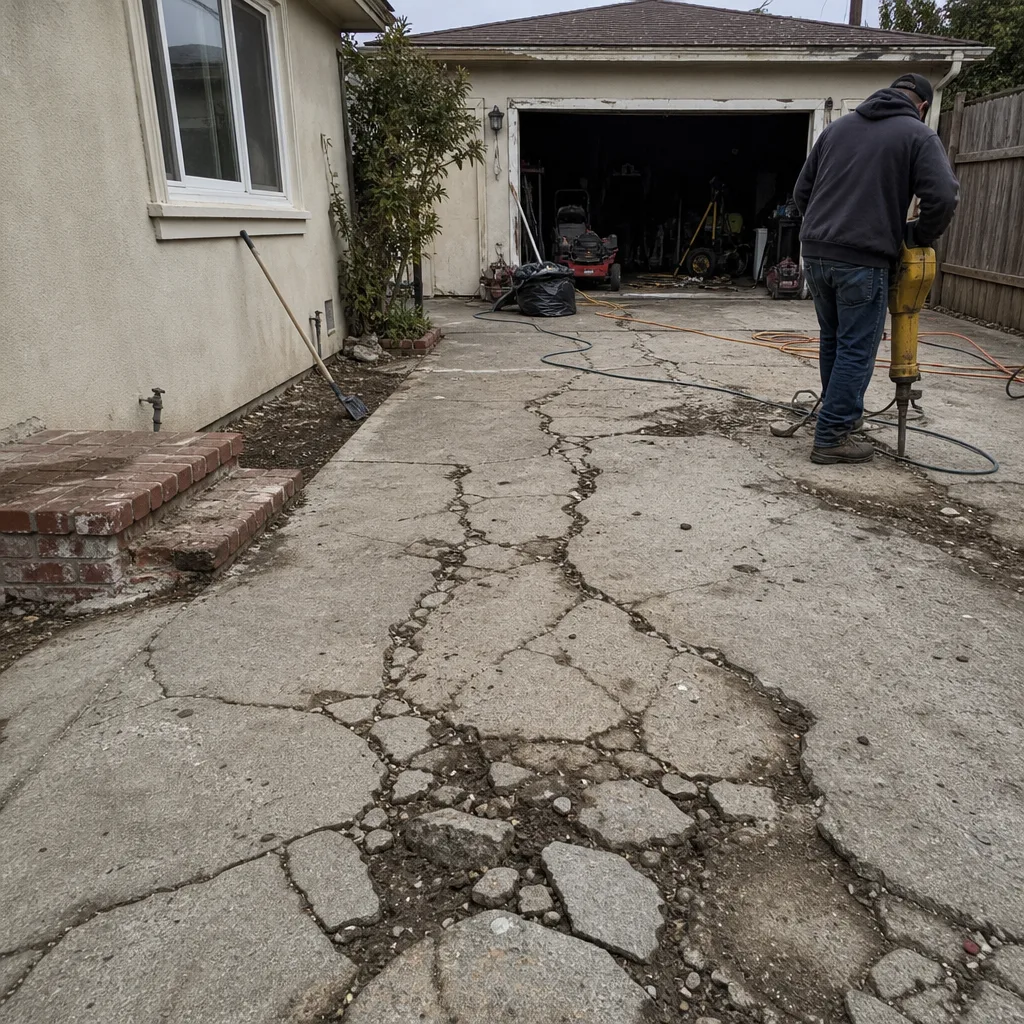 Before
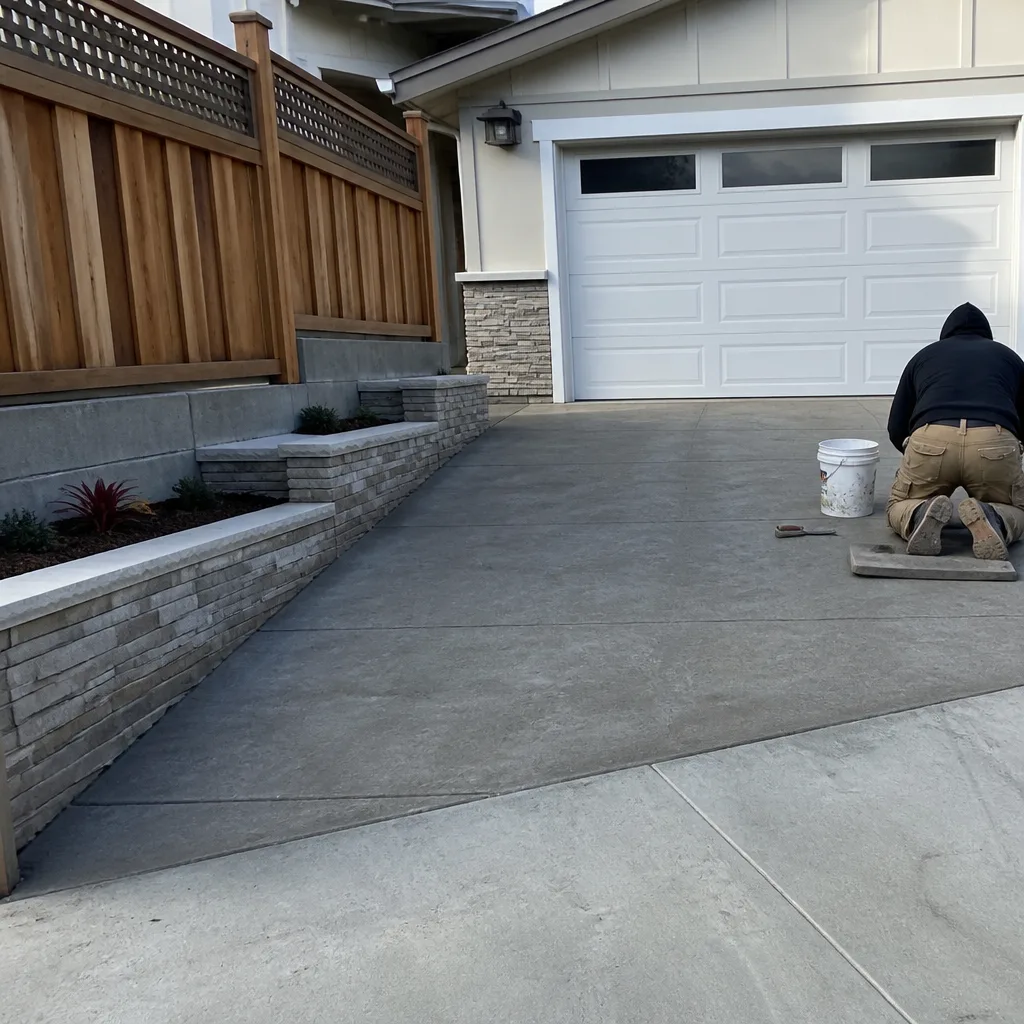 After
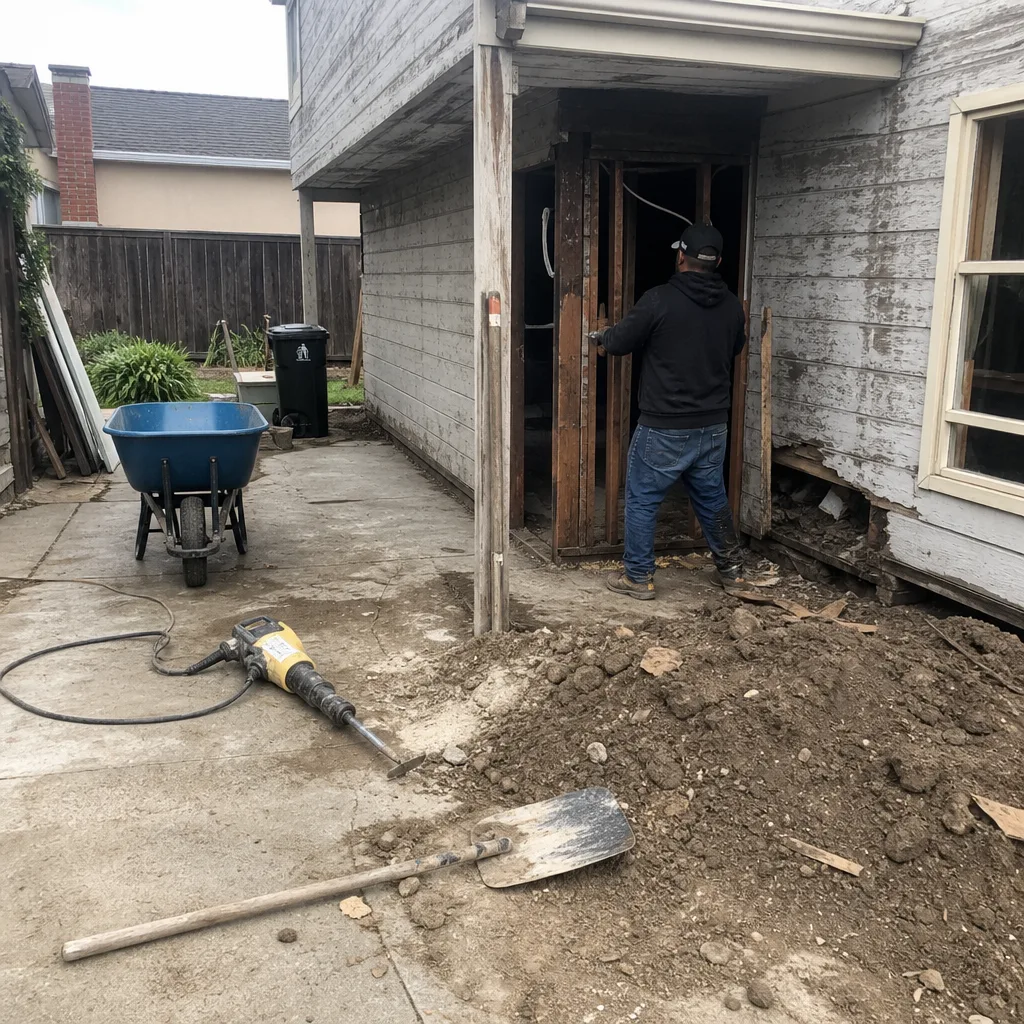 Before
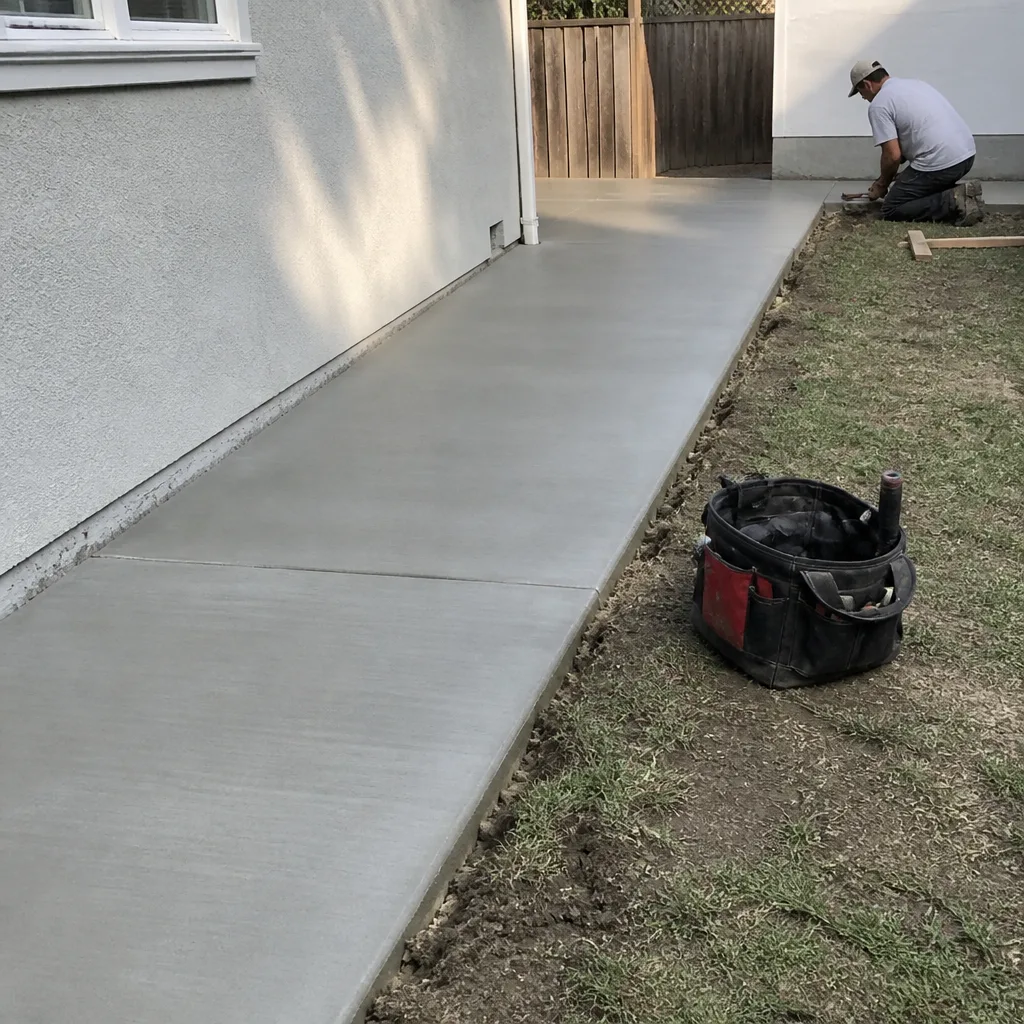 After